Tambolaka or Waingapu: Which Sumba Airport to Fly Into
Deciding which sumba airport to fly into? Compare Tambolaka (TMC) vs Waingapu (WGP), routes, transfers and open-jaw tips for smart Sumba itineraries.
13 min read
The short answer to which sumba airport to fly into is simple: choose Tambolaka (TMC) for West and Southwest Sumba, and Umbu Mehang Kunda / Waingapu (WGP) for East Sumba. If you want to cross the island, fly into one and out of the other to avoid backtracking.
TMC vs WGP at a glance
Sumba has two commercial airports:
- Tambolaka Airport (TMC) – serving West Sumba and Southwest Sumba.
- Umbu Mehang Kunda Airport (WGP), usually called Waingapu Airport – serving East Sumba; located about 9.2 km from Waingapu town.
Both are small, domestic-only airports. Most travellers arrive via Bali’s Ngurah Rai International Airport (DPS) on short hops that are typically about 1 hour to 1 hour 15 minutes, depending on routing and aircraft type. Airlines operating these routes can include Wings Air / Lion Air, Nam Air, and Garuda Indonesia / Citilink, but schedules and operating carriers change frequently – always check current schedules close to your travel date.
From a logistics perspective, the biggest difference is not the airports themselves but the parts of Sumba they unlock:
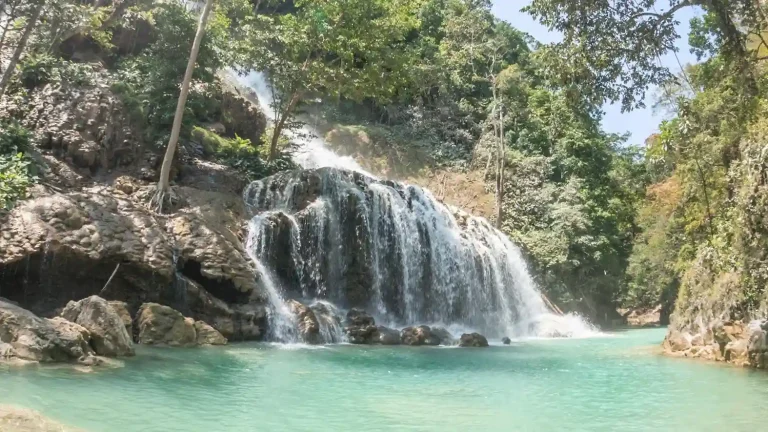
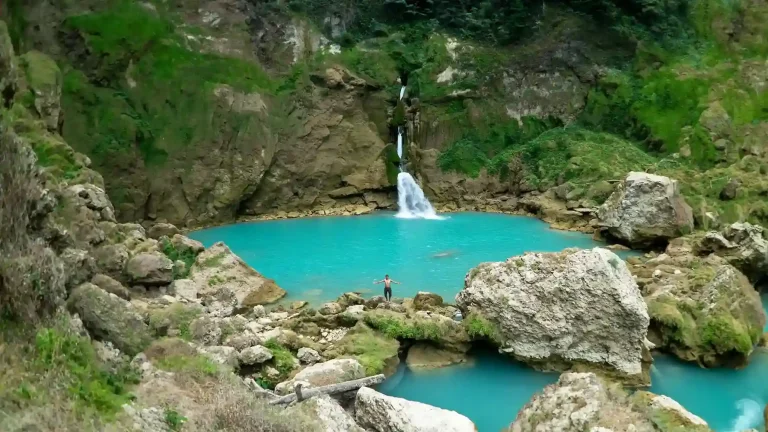
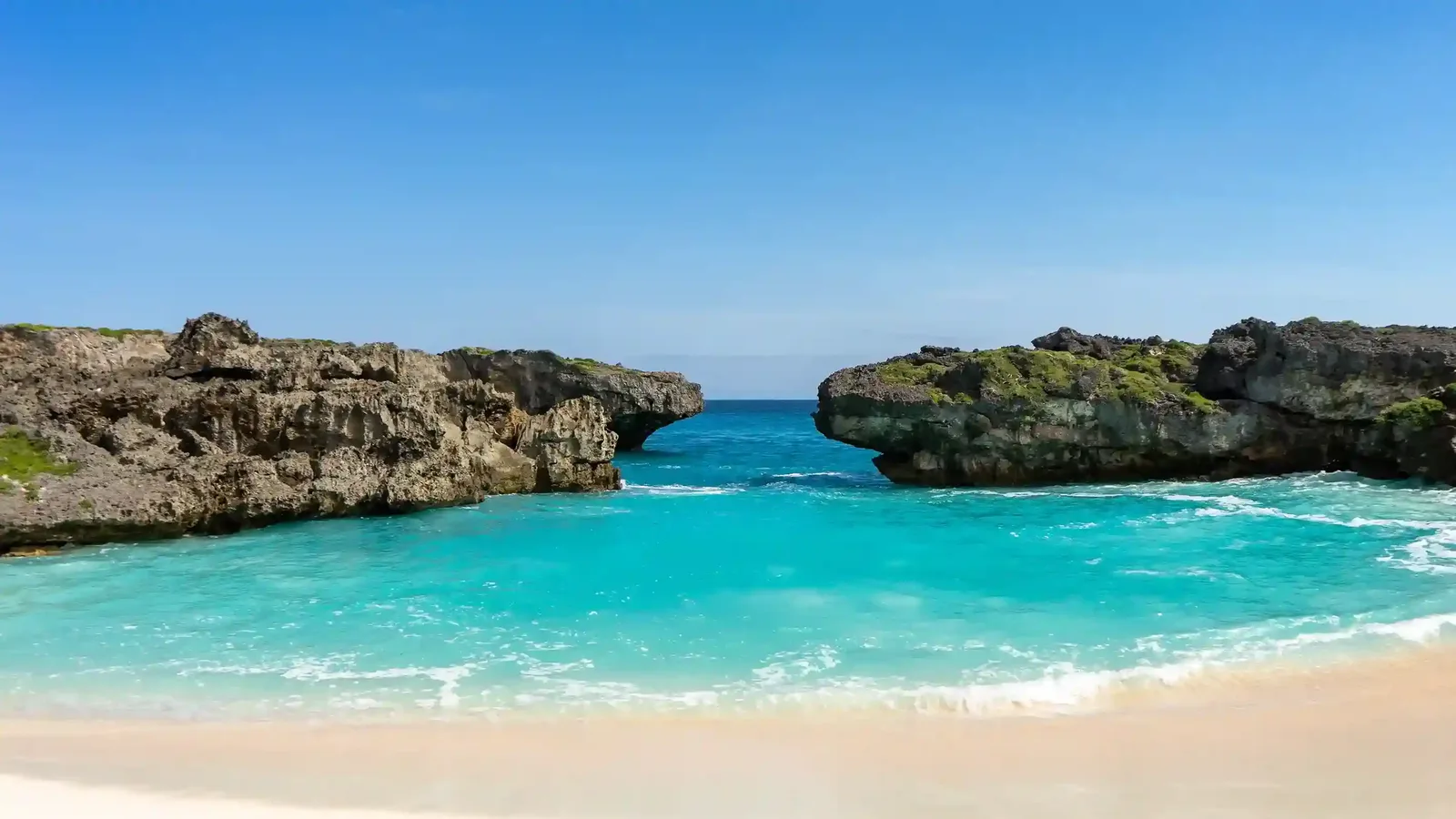
- Tambolaka (TMC) is your gateway for lagoon beaches, waterfall day-trips, traditional villages and the Nihi-adjacent coastline in the West and Southwest.
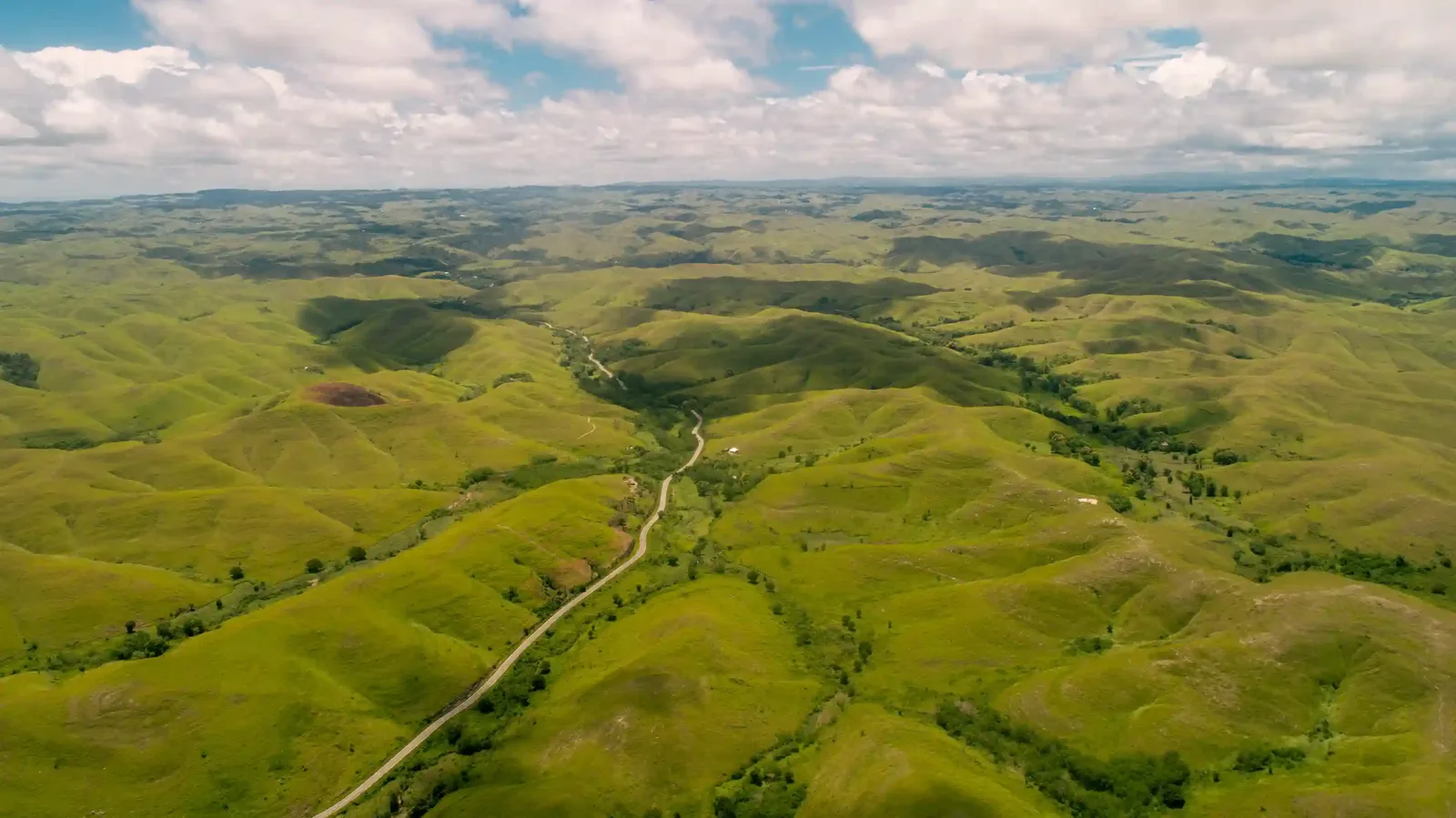
- Waingapu (WGP) is best for East Sumba’s savannas, ikat-weaving heartlands, and the Walakiri / Puru Kambera area.
If you only retain one rule of thumb: match your arrival airport to the side of the island where you will spend your first nights.
Quick comparison: TMC vs WGP airport
| Factor | Tambolaka (TMC) | Waingapu / Umbu Mehang Kunda (WGP) |
|---|---|---|
| Primary region served | West & Southwest Sumba | East Sumba |
| Key bases | Tambolaka town; coastal lodges toward Southwest Sumba; access road toward Nihi region | Waingapu town (approx. 9.2 km away); East Sumba highlands; Walakiri / Puru Kambera coast |
| Typical first-night focus | Beaches, lagoons, surf, traditional villages in West/Southwest | Savanna landscapes, ikat villages, East coast sunsets (Walakiri) |
| DPS–Sumba flight time | Roughly 1:00–1:15 hours, route- and aircraft-dependent — check current schedules | |
| Overland drive between TMC & WGP | Approx. 3–3.5 hours by car, longer if stopping for views or villages | |
| Best for | Trips anchored on West/Southwest Sumba or Nihi-adjacent area | Trips anchored on East Sumba (Waingapu town, savanna, ikat, Walakiri) |
| Typical traveller pattern | Arrive & depart via TMC for West-only itineraries; or arrive TMC, depart WGP for cross-island trips | Arrive & depart via WGP for East-only itineraries; or arrive WGP, depart TMC for cross-island trips |
Matching the airport to your itinerary
Instead of asking which is the best airport for Sumba in general, the better question is: which Sumba airport lines up with what I actually want to do in my first 48 hours?
Fly into Tambolaka (TMC) if your focus is West & Southwest Sumba
Choose Tambolaka as your entry point if your first nights are planned for:
- Southwest Sumba coastline – lagoon beaches, surf breaks, headlands.
- West Sumba traditional villages – megalithic tombs, tall-roofed houses, ritual centers.
- Nihi-adjacent area – if you are staying at, or near, the Nihi region on the southwest coast, Tambolaka is generally the logical entry for West-focused itineraries.
- West-side waterfalls and day-trip circuits – easier to reach from Tambolaka than from Waingapu.
From TMC, you are on the right side of the island for the majority of beach-led and village-led trips. Depending on your lodge or villa, transfer times can range from short hops to a few hours’ drive. Many properties will factor the arrival airport into their suggested routing.
Fly into Waingapu (WGP) if your focus is East Sumba
Umbu Mehang Kunda / Waingapu is the natural entry for:
- Waingapu town – the island’s main commercial hub.
- East Sumba’s savanna landscapes – rolling grasslands, hill viewpoints.
- Ikat weaving villages – many of the best-known weaving communities are more easily accessed from Waingapu.
- Walakiri Beach & East coast – mangrove silhouettes, tidal flats, and nearby coastal stays.
Arriving at WGP puts you very close to town and within reasonable reach of both coastal and inland East Sumba accommodations. For travellers who are more interested in textiles, dry savanna scenery, photography, and day-hikes than in surfing or secluded lagoons, WGP is usually the best airport for Sumba.
How long do you need in each region?
A few practical patterns we see work well:
- 3–4 nights total, West only – fly in and out of TMC; keep driving times modest and focus on one coastal base with selected excursions.
- 3–4 nights total, East only – fly in and out of WGP; use Waingapu or a coastal lodge as a base for day-trips.
- 6–8 nights, cross-island – split time between West and East; apply an open-jaw strategy (more on this below).
If you are unsure how to structure this, we can map it out with you in a brief WhatsApp call or message series; you can plan your trip with our routing help at no obligation.
The open-jaw strategy: in TMC, out WGP (or reverse)
For any itinerary longer than four nights that aims to see both sides of Sumba, we usually recommend an open-jaw flight pattern: arrive at one airport, depart from the other. This is the core of the “flying into Tambolaka or Waingapu” decision for cross-island travellers.
Why open-jaw works well on Sumba
The drive between Tambolaka and Waingapu is roughly 3–3.5 hours overland without extended sightseeing stops. The road is sealed on the main route and passes through villages, cattle country, pockets of forest, and broad savannas.
Done once, this cross-island transfer can be enjoyable: a moving window into the island’s geography. Done twice, it becomes a repetitive time cost. An open-jaw itinerary avoids repeating that three-hour drive.
The two most common patterns:
- Arrive TMC → West/Southwest Sumba → Cross-island drive → East Sumba → Depart WGP
- Arrive WGP → East Sumba → Cross-island drive → West/Southwest Sumba → Depart TMC
Which direction works best for you depends on where flight timings align, especially your long-haul legs in and out of Indonesia.
Open-jaw examples
To make this less abstract, here are a few common use-cases:
- Beach-first, culture-later
Many travellers prefer to decompress by the sea as soon as they land. They will:- Arrive via TMC.
- Spend 3–5 nights at a West/Southwest Sumba coastal base, with select village visits.
- Drive across the island during the day, stopping at viewpoints.
- Spend 2–3 nights near Waingapu, focusing on ikat weaving and savanna photography.
- Fly out via WGP back to Bali or onward.
- Textiles and savanna first, then surf and lagoons
Textile collectors and photographers sometimes prefer:- Arrive via WGP.
- Spend initial nights focused on markets and weaving villages.
- Cross to West/Southwest Sumba mid-trip.
- End with coastal days before flying home via TMC.
From a logistics and cost-efficiency standpoint, the key idea is the same: build a line across Sumba, not a loop.
Flight realities: what to expect from DPS to Sumba
Air service to Sumba is relatively simple but not static. Here is what we can say confidently:
- Routing – Most international travellers route via Denpasar (DPS) in Bali. From there, they take a domestic flight to either TMC or WGP.
- Flight time – Direct flights generally take around 1 hour to 1 hour 15 minutes, depending on airline, aircraft, and routing. Some services may touch other islands or use turboprops, which can alter duration slightly.
- Carriers – Airlines historically on these routes include Wings Air / Lion Air, Nam Air, and Garuda Indonesia / Citilink. However, exact carriers, frequencies, and departure times vary seasonally and from year to year.
- Schedules – Domestic schedules in Indonesia can shift. Always check current schedules close to travel dates and keep some flexibility, especially in shoulder or low seasons.
Planning tips for your international connections
- Allow generous connection times – For same-day DPS–Sumba connections after an international arrival, leave margin for immigration, luggage, and any terminal change in Bali.
- Consider overnighting in Bali – Many high-net-worth travellers prefer to overnight in Bali on arrival and again before departure, using a trusted hotel near the airport or in South Bali to buffer any domestic flight changes.
- Morning vs afternoon flights – Morning flights often provide more daylight upon arrival in Sumba, which matters if you have an onward 2–3 hour transfer by car.
If you want a second set of eyes on how a Sumba leg fits around your long-haul flights, you can plan your trip with us; we often workshop routing via WhatsApp in practice, sending screenshots and structure rather than rigid itineraries.
What if you “mismatch” the airport and your region?
Sometimes, either for schedule or fare reasons, travellers land in the “wrong” airport relative to where their lodge is located. This is not fatal; it simply adds 3–3.5 hours of overland driving to reach the other side of the island.
Example: Land in TMC, stay near Waingapu
If flight options to TMC are materially better on your dates, but your first nights are booked around Waingapu or Walakiri, your day might look like this:
- Land at Tambolaka (TMC).
- Meet your driver and vehicle arranged through your lodge or a vetted local operator.
- Drive across the island (~3–3.5 hours), optionally stopping for a simple local lunch and photo stops.
- Arrive at your East Sumba base by late afternoon or early evening.
The reverse (landing at WGP and transferring to a West/Southwest property) works similarly.
Is the cross-island drive comfortable?
Standards of comfort and vehicle quality vary. At a minimum, you can expect:
- Private car or SUV – with air conditioning; quality improves if booked through serious properties or vetted drivers.
- Road conditions – major arteries are paved, with typical rural Indonesian conditions: occasional potholes, livestock on the road, and changing weather, especially in wet season.
For those who enjoy long drives through open landscapes, doing the cross-island trip once can be a highlight. We simply do not recommend planning to do it back and forth multiple times in a short itinerary.
Airport decision guide
To condense the above into a quick decision aid, refer to this at the moment you book flights.
- Primary focus: West/Southwest Sumba only (3–5 nights)
- Arrive and depart via Tambolaka (TMC).
- Primary focus: East Sumba only (3–5 nights)
- Arrive and depart via Waingapu (WGP).
- Cross-island trip (6+ nights), starting with beaches and lagoons
- Arrive via TMC, overland mid-trip to East Sumba, depart via WGP.
- Cross-island trip (6+ nights), starting with savanna and textiles
- Arrive via WGP, overland mid-trip to West/Southwest Sumba, depart via TMC.
- Best available flight is into the “wrong” side of the island
- Accept a 3–3.5 hour overland transfer on arrival or departure, and avoid repeating it later.
Costs, transfers, and what changes (and what does not)
We are deliberately conservative about quoting exact figures in print because Indonesian domestic flight fares and transfer pricing move with fuel, season, and airline policy. Some general guidance, last verified June 2026:
- Domestic fares – DPS–TMC or DPS–WGP can vary considerably by date and how far in advance you book. Business-class style cabins are not common on these short hops; most travellers book economy and focus comfort efforts on international legs.
- Private transfers – Airport transfers are often bundled or quoted directly by your lodge or villa, especially for properties located more than an hour from the airport. Expect private vehicle pricing rather than meter-taxi norms.
- Cross-island transfers – A private car and driver for the TMC–WGP run (3–3.5 hours) will be a noticeable line item but not disproportionate by global HNWI standards; costs depend on vehicle type, waiting time, and whether sightseeing stops are built in.
What does not change is this: TMC is West, WGP is East, and they are far enough apart that you should be thoughtful about which you commit to.
How we help you decide (and what we are not)
Sumba Private is an independent curation and concierge-intelligence service. We are not a tour operator or travel agency; we do not run group tours or publish cookie-cutter itineraries. We exist to help you:
- Match the right airport and flight pattern to your actual aims.
- Sense-check the order of regions (West-first vs East-first).
- Secure introductions to vetted on-island partners for transfers and guiding.
No one can pay to change what we publish; if you proceed with our partner they may pay us a referral fee at no extra cost to you. Our priority is getting the logistics quietly right behind the scenes so that your time in the villages, on the savannas, and by the lagoons is as frictionless as Sumba allows.
If you want a neutral, precise view on which Sumba airport to fly into for your dates and route, you can plan your trip with us. Most planning starts as a short WhatsApp exchange, then shifts into email once the broad shape is clear.
Where to read next
- For a broader framework on entering the island, see our Getting to Sumba logistics pillar.
- To decide how many nights to assign to each side, read our West vs East Sumba comparison.
- If you are considering a stay in the Nihi area as part of your West Sumba time, our Nihi explainer unpacks what that really involves.
Is Tambolaka or Waingapu better for first-time visitors?
Neither is objectively better; the right choice depends on your priorities. If your first days are about beaches, lagoons and the Nihi-adjacent coastline, fly into Tambolaka (TMC). If your interests lean to savanna scenery, ikat weaving and East coast sunsets, choose Waingapu (WGP). For mixed itineraries of a week or more, we usually advise an open-jaw pattern, using both.
Can I see both West and East Sumba with only one airport?
Yes, but you will add a 3–3.5 hour cross-island drive in at least one direction. For very short trips (3–4 nights), we suggest committing to one side of the island. For longer trips, it is more efficient to arrive at one airport and depart from the other so that you only do the cross-island drive once.
Are there direct international flights into Sumba?
No. At present Sumba’s airports are domestic only. Most international travellers connect through Denpasar (DPS) in Bali, then take a short domestic flight onward to TMC or WGP. Some itineraries may route via other Indonesian hubs, but Bali remains the most common gateway.
How far is Waingapu Airport from town?
Umbu Mehang Kunda (WGP) is about 9.2 km from Waingapu town. In normal conditions this is a short transfer by car. Many hotels around Waingapu can arrange pick-up; otherwise, your on-island partner or driver can meet you at arrivals.
Should I book flights or accommodation first for Sumba?
In peak and shoulder seasons, we usually advise locking in Sumba accommodation first, then matching flights and airport choice to where your first nights are based. Once your property is confirmed, it becomes clear whether Tambolaka or Waingapu is the better entry. If you want an unbiased view before committing, share your draft dates and wish-list and we will help you plan your trip via email or WhatsApp.