How to read this: Sumba Private is an independent editorial guide — we research and compare, then connect travellers to vetted local partners. Our help is free; a partner may pay us a referral fee at no extra cost to you, and this never changes what we publish. Prices, schedules, festival dates (including Pasola) and health guidance change — treat figures as indicative and confirm current details before you travel. This is general information, not professional travel, medical or legal advice.
A nihi sumba honeymoon is best for couples who want privacy, nature, and barefoot luxury in a far‑flung corner of Indonesia rather than city energy or nightlife. It is a remote, nature-led honeymoon: salt on skin, horses on the beach at sunset, serious surf, long walks, and a high-touch resort team rather than shopping streets or bar-hopping.
Nihi Sumba is the island’s most talked‑about stay and almost always the first Sumba honeymoon resort people research. From our perspective as an independent curator and concierge-intelligence authority, it suits a very specific kind of couple: those who value seclusion, are comfortable with the travel time, and understand that “romantic Nihi Sumba” means wild shoreline, rituals, and ritual-level service, not glitz.
We are not a tour operator or agency. We curate; we sense-check your ideas; and, only if requested, we introduce you to vetted on‑island partners. No one can pay to change what we publish; if you proceed with our partner they may pay us a referral fee at no extra cost to you.
Why couples choose Nihi Sumba for a honeymoon
For honeymooners deciding between Bali, the Maldives, or somewhere more off‑grid, Nihi Sumba is the outlier: polished yet very deliberately wild. The romance here is less “over‑water villa and champagne tower” and more “Indian Ocean horizon, warm wind, and a horse walking past your dinner table”.
We hear the same five reasons again and again from couples who do choose a romantic Nihi Sumba stay.
1. Real seclusion and space
Nihi occupies a long stretch of Sumba’s southwest coast, backed by hills and jungle. There is no tourist town outside the gates, no nightclub, no row of beach bars. After the short domestic hop from Bali and the overland transfer from Tambolaka (TMC) on the SW coast, the sense of “we are far from everything” is immediate.
For a honeymoon, that translates into:
-
Privacy in-villa
Many villas stand alone on the hillside or by the beach, with private pools, outdoor showers, and enough separation that you rarely register neighbours. Staff know when to appear and when not to. -
Unstructured days
It is very easy to spend most of a day doing “nothing”: a long, late breakfast, reading by the pool, a slow walk along the beach, a massage, then fire-lit dinner. -
Little ambient noise
Nights are mostly just surf and wind. If you live in a city, that silence often becomes one of the trip’s strongest memories.
If your ideal honeymoon involves wandering into town, trying multiple restaurants, or going out dancing, this is not your resort. If you want to disappear together and speak to almost no one besides your butler and a surf guide, it might be.
2. “Barefoot luxury” done seriously
The phrase “honeymoon barefoot luxury Sumba” gets used liberally in travel copy. At Nihi, it actually matches daily life: no dress codes, sand underfoot at many meals, but a level of service and finish that sits firmly in the international luxury tier.
Expect:
- Design that frames the view: timber, thatch, stone, wide verandas, and large openings; mostly fans and sea breeze rather than sealed, air‑conditioned boxes on the sand.
- High staff‑to‑guest ratio: personalised touches, surprise treats, and quiet adjustments once the team notices your rhythms.
- Food and drink with range: Western comfort dishes, Indonesian staples, and more refined plates. Cocktail lists and wine lists are real, not afterthoughts.
What it is not: hyper‑formal, white‑glove, or “seen to be seen”. Couples who enjoy high‑end safari lodges, Aman‑style retreats, or intimate design hotels often feel immediately at home here.
3. Shared adventures: surf, horses, rivers, and reef
Romance at Nihi is as much about what you do together as how the villa feels.
-
Surfing Occy’s Left
Nihi overlooks one of Indonesia’s most famous waves, Occy’s Left, a long, powerful left‑hander. For serious surfers, a nihi sumba honeymoon can double as a dream surf trip. Non‑surfing partners can still enjoy the spectacle from shore, learn on gentler breaks, or simply claim a front‑row lounger with a book. -
Horses on the beach
Images of horses galloping along the shoreline at sunrise or sunset have become shorthand for “romantic Nihi Sumba”. The resort’s Sumbanese horse program allows riding in the shallows, supervised swims with the horses, and gentle rides for beginners. -
Coastal and hinterland exploration
Guided hikes, waterfall visits, stand‑up paddleboarding on rivers, and snorkelling on calmer days are standard inclusions for active couples. None of this is forced; you can be as sedentary or as energetic as you like. -
Cultural immersion at your pace
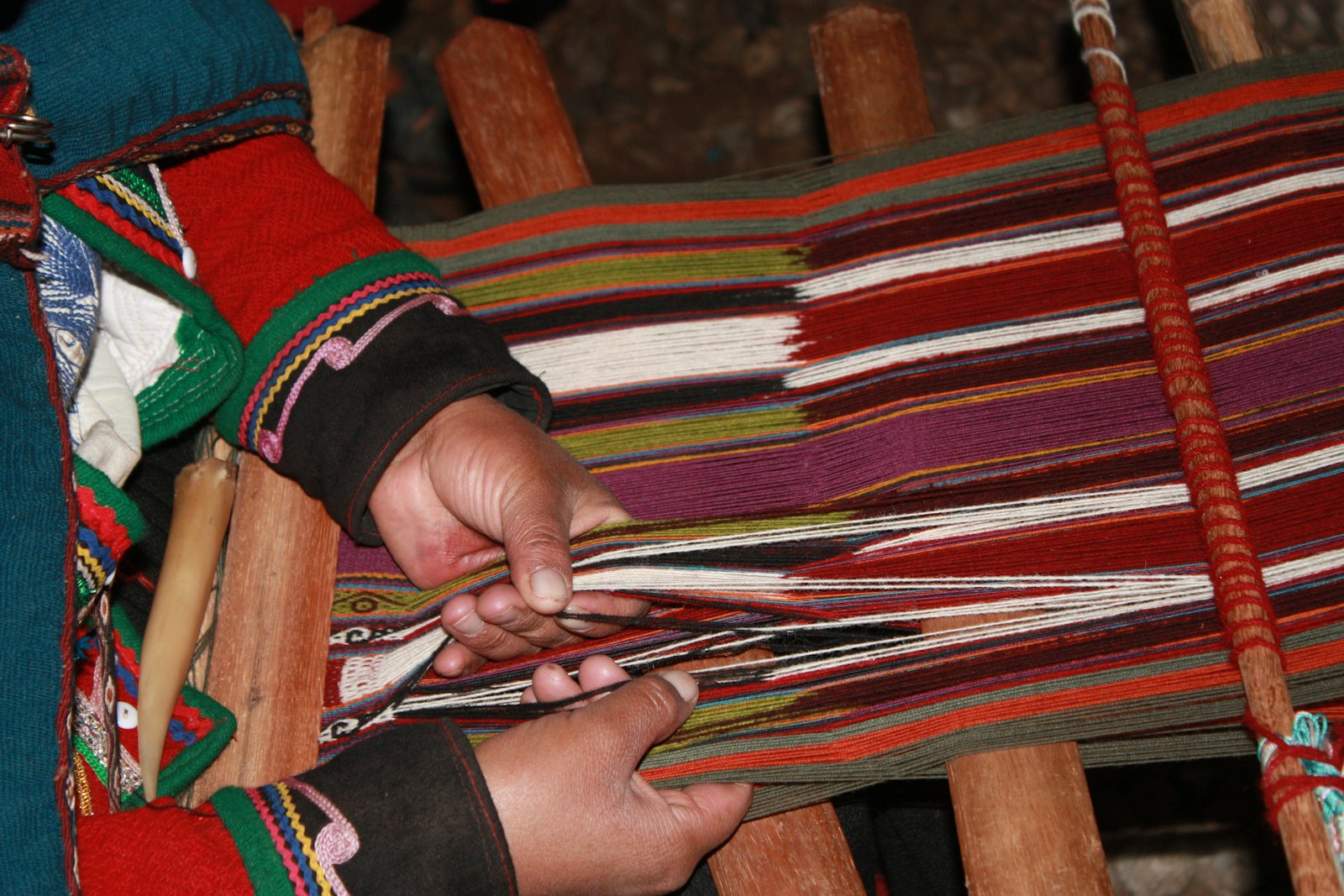
Visits to traditional villages, megalithic tombs, or weaving cooperatives offer context. These are not staged theme-park experiences; Sumba remains predominantly rural and animist in belief, and you are a guest in that reality. We recommend going slowly, listening more than photographing, and allowing formal introductions through your guide.
4. A wellness and “spa-safari” rhythm
Think of a day at Nihi as a slow safari, with the “game drive” replaced by ocean, horses, and spa rituals.
A typical honeymoon day might drift between:
- Morning yoga on an elevated deck facing the sea
- Ocean swim or surf session
- Late breakfast in-villa
- Midday nap or massage
- Sunset walk or horse ride
- Fire-lit dinner and an early night
Treatments lean into both global spa language and Sumbanese ingredients: coconut, local herbs, and time in nature rather than purely clinical or medical wellness. Some packages and villa categories include more generous spa access; the principle is to detach from screens and clocks.
5. Service that reads couples well
One of the subtler strengths here is emotional intelligence. Honeymooning couples are usually watched over by a core team who quickly infer preferences:
- How private you want your table
- Whether you prefer spontaneous surprises or to approve things first
- Your comfort level with new activities
For some couples, that might mean elaborate private dinners and flower‑laden baths. For others, it means being given space with only the essentials efficiently taken care of. If you are clear with your butler in the first 24 hours, the rest of the stay typically calibrates around that.
What to set expectations on before choosing Nihi
This is where we lose some couples — and that is healthy. A nihi sumba honeymoon is not a frictionless, five‑nights‑and‑go trip. It involves distance, time, and natural variability.
Remoteness and getting there
All Nihi guests pass through the same basic funnel:
- International flight into Bali (Ngurah Rai / DPS)
- Domestic flight from Bali to Tambolaka (TMC) on Sumba’s southwest coast
- Overland transfer from TMC across rural Sumba to the resort, typically around 1.5–2 hours by road, depending on conditions
Key points to understand:
- Schedules on domestic routes change; flights can run late or be rescheduled.
- There is no “pop out” to a neighbouring nightlife district. Once at Nihi, you are essentially on property unless you choose an organised excursion.
- For many guests, the overland portion is a revelation: villages, fields, and Sumba’s stark landscapes set the emotional tone before you see the ocean.
If you or your partner are uneasy with light aircraft, longer transfers, or rural roads, we suggest discussing that explicitly in planning. Sumba rewards patience, but it should be a choice.
Weather and seasonality
Sumba has a distinctly drier climate than much of Indonesia, but it is still tropical. Planning a honeymoon means aligning your expectations with what the sky and sea are likely to do.
-
Dry season (roughly April to October)
More stable sunshine, lower humidity, clearer skies, and typically calmer seas on many days. This period underpins most “postcard” images: golden grasses on the hills, blue water, long beach days. -
Transition months (around March and November)
Can bring a mix of showers and sun. Some days feel like dry season, others like shoulder wet season. -
Wetter months (roughly December to February)
More frequent rain, greener landscapes, and potentially rougher sea conditions. Romance here is about moody skies, reading on covered verandas, and long massages rather than constant pool time.
We never guarantee weather or surf. Occy’s Left, for instance, can range from playful to heavy or nearly flat depending on swell and wind. If daily, guaranteed glassy ocean is non‑negotiable, Sumba may feel volatile.
Costs and stay length
Nihi sits at the top end of Sumba’s rate spectrum and compares with high-end remote resorts globally.
- Nightly rates are typically in the upper luxury bracket, varying with season, villa category, and inclusions (last verified June 2026).
- Honeymooners commonly stay 4–7 nights at Nihi, often book‑ending it with time in Bali or elsewhere in Indonesia to balance budget and travel time.
Important:
- There is no “cheap” way to experience the resort. Attempting to compress it into two nights often feels rushed and poor value.
- Some couples choose a shorter Nihi segment combined with more moderate stays elsewhere on Sumba. That can preserve the highlight without overextending the budget.
If you share your total honeymoon budget, we can advise how many nights here make sense versus alternatives and transfers: plan your trip or ask for a WhatsApp planning chat.
Energy level and social life
Nihi is social by choice, not by default. You can chat at the bar, share surf stories, or join communal activities, but there is no nightclub and no heavy music.
Expect:
- Early mornings for surfers and riders
- Quiet afternoons
- Bar life that peaks around sunset and dinner, then winds down
If you imagine your honeymoon with late‑night dancing or crowds, you may feel constrained. If the ideal evening is one cocktail, then reading on the veranda with the ocean in the dark, you are aligned.
How a romantic Nihi Sumba itinerary tends to flow
No two honeymoons are identical, but certain shapes recur. Below is a realistic framework for a 5–7 night nihi sumba honeymoon, to help you picture days rather than just villas.
Days 1–2: Arrival, grounding, and unhurried romance
After the domestic hop and drive, most couples arrive mid‑to‑late afternoon.
The first 48 hours usually look like:
- Slow unpacking and orientation with your butler
- First ocean walk and perhaps feet in the water, but not over-scheduling
- Early bed the first night, especially after long international travel
- Breakfast in‑villa on day two, followed by light exploration: a spa treatment, a pool session, and maybe a short horse interaction or a beginner surf/boogie board session
We advise against stacking too many activities early. Let your body clock reset and your senses catch up.
Days 3–4: Shared adventures and deeper relaxation
Once you have settled, this is when romantic structure creeps in naturally.
Ideas that regularly work well:
- One “signature” shared adventure: a longer horseback ride, a guided waterfall excursion, a river paddle, or a cultural village visit.
- A couples’ spa block: at least 90–120 minutes set aside, not squeezed between other activities.
- Private dinner evening: on the beach, in-villa, or in a tucked‑away corner, with the resort team tailoring it to your preferences.
Surfing couples often build the day around tide and swell, with non‑surfers enjoying yoga, reading, or spa time parallel to sessions at Occy’s Left.
Days 5–7: Sinking into a rhythm or departing
For shorter stays, day five is often departure or a quiet final day. For those staying a full week, the latter half can be the most romantic: you have learned the property, the team knows your patterns, and you stop trying to “do everything”.
Common patterns:
- Repeating a favourite activity (another horse swim, another waterfall, another surf lesson) with more ease
- Extended hangs in your villa pool with minimal agenda
- More nuanced cultural engagement: revisiting a weaving group, spending longer in a village, or simply walking the beach more mindfully
Couples who leave feeling most satisfied usually:
- Accept that they will not tick every possible activity
- Leave empty space in the itinerary
- Use Nihi as a container for relationship time, not an amusement park
How Nihi compares with other Sumba honeymoon options
Nihi is not the only way to experience a Sumba honeymoon resort or villa. Some couples realise that its intensity — in both cost and experience — may not fit their style.
We curate alternatives across the island: smaller lodges, private villas, and more rustic coastal stays. The mix evolves, so we will not list operators or fixed prices here, but we can outline the broad differences you can expect.
- Setting
- Nihi: Southwest coastline, self-contained resort estate. Alternatives: mix of southwest, southeast, and northern coasts; some more integrated with local villages.
- Price range
- Nihi: Top-tier nightly rates (last verified June 2026). Alternatives: from mid-range boutique to upper-luxury, often allowing longer stays on the same budget.
- Privacy
- Nihi: High villa privacy with significant staff support. Alternatives: some very small properties where you may be one of only a few couples, others more guesthouse-style.
- Activity menu
- Nihi: broad in-house offering — horses, surf, spa, cultural trips, water sports. Alternatives: more focused experiences (e.g., surf-first, trekking-first, or cultural immersion), sometimes arranged via external guides.
- Logistics
- Nihi: Bali → Tambolaka (TMC) → overland SW coast. Alternatives: may also use Waingapu (WGP) on the east coast; transfers vary in length and comfort.
- Atmosphere
- Nihi: polished barefoot luxury, safari-lodge style. Alternatives: range from refined eco-luxe to simple beach bungalows with a few thoughtful extras.
If Nihi feels too self-contained, too polished, or simply beyond budget for the length of honeymoon you want, we can design Sumba combinations that mix:
- Time in a high-service property
- Nights in a smaller, quieter coastal stay
- Cultural or trekking segments inland
Ask us to outline 2–3 contrasting honeymoon flows — including and excluding Nihi — and we will map costs and logistics frankly: plan your trip (we are happy to continue on WhatsApp once we understand your dates and preferences).
Who a Nihi Sumba honeymoon is ideal for — and who it isn’t
To help you self‑select, here is a simple filter, based on couples we see leave the island glowing versus those who leave conflicted.
Ideal Nihi honeymooners
Nihi tends to be a strong fit if you:
-
Value privacy over social variety
Your dream evening is each other, not a new bar. -
Enjoy nature more than shopping or city culture
You are excited by ocean, horses, and open landscapes; neutral about malls and nightlife. -
Can absorb, or consciously prioritise, a higher budget segment
You see this as a once‑in‑a‑lifetime line item and would rather stay fewer nights at high quality than stretch into mediocrity. -
Are curious about Sumbanese heritage
You don’t need to become an expert, but you respect ritual, dress modestly in villages, and are happy to listen. -
Handle a bit of unpredictability
A delayed domestic flight or a windy day doesn’t ruin the trip for you.
Who might be better suited to alternatives
We gently suggest leaning toward a different plan if you:
- Want urban energy, shopping, and multiple restaurant options within walking distance
- Are on a very tight honeymoon schedule with only 3–4 total nights to spare in Indonesia
- Have a strong aversion to small planes or long road transfers
- Prefer highly structured itineraries with back‑to‑back activities and little downtime
In those cases, we can still design a Sumba honeymoon around different bases or suggest other Indonesian islands with more infrastructure while maintaining a sense of discovery.
Best time for a Sumba honeymoon
For big-picture advice on seasons, we maintain a broader guide on the best time to visit Sumba. Honeymoon questions, however, are more specific.
April to October: the classic window
For most couples, April through October is the sweet spot:
- More predictable sun
- Drier trails and roads
- Good conditions for riding, hiking, and water activities on many days
Dry season also aligns with many surf windows at Occy’s Left, though individual swells vary widely. If one partner is targeting surf and the other is focused on general honeymoon ambience, this period usually makes sense.
Shoulder months for privacy and value
March and November can work for couples who:
- Don’t mind some showers
- Prefer fewer fellow guests around
- Are comfortable with more variable light and mood
You may find better availability and occasionally more favourable rates in these shoulders (last verified June 2026, and always subject to change).
Green and moody: December to February
For some honeymooners, the wetter months have their own appeal:
- Greener hills and fuller rivers
- Dramatic skies and softer light for photography
- A natural nudge toward slower days, longer sleeps, and more spa time
Sea conditions and outdoor plans are more likely to be adaptive during this period. If your emotional picture of a honeymoon is specifically “bright sun over endless pool”, this can misalign expectations. If you are content with storms as part of the drama, it can be quietly romantic.
How Sumba Private can help (without selling you a package)
Our role is not to bundle flights and rooms into a glossy brochure. Instead, we:
- Listen to how you actually travel, not just your budget
- Stress‑test whether Nihi is the right honeymoon anchor or simply one option among several
- Suggest specific night counts that make sense given your other destinations, jet lag, and the domestic flight grid
- Introduce you, if you wish, to vetted on‑island partners who can handle bookings, guiding, and ground logistics
No one can pay to change what we publish; if you proceed with our partner they may pay us a referral fee at no extra cost to you.
If you are already leaning toward Nihi, we can also help you:
- Pair it thoughtfully with time in Bali or other islands
- Decide whether to add quieter Sumba beaches before or after
- Understand how days will really feel for both partners
Share your dates, approximate budget, and non‑negotiables, and we can sketch two or three honest options. Start here and note that you prefer WhatsApp follow‑up if that is easiest: plan your trip.
Related Sumba Private guides
To round out your research around a nihi sumba honeymoon, these deeper dives can help:
- Our core profile of the resort: Nihi Sumba
- Big-picture honeymoon thinking on the island: Sumba Honeymoon Guide
- Seasonality and climate detail: Best Time to Visit Sumba
- Surf‑focused insight on the wave out front: Occy’s Left at Nihi Sumba
- A broader look at Sumba’s shores: Sumba’s Beaches
Use these to pressure‑test your instincts before committing to dates and deposits.
Is Nihi Sumba worth it for a honeymoon?
For couples who value privacy, nature, and high-touch barefoot luxury, Nihi can be a deeply memorable honeymoon anchor. It feels remote, personal, and special. For couples who want nightlife, easy access to shops and restaurants, or who are highly price-sensitive, the same qualities can feel isolating or expensive. The key is aligning your expectations with what Nihi actually offers: space, service, and wild coastline rather than “city plus beach”.
How many nights should we spend at Nihi on a honeymoon?
Most honeymooners are well served by 4–7 nights at Nihi, often framed by time in Bali or elsewhere in Indonesia. Fewer than four nights tends to feel rushed, given the travel time and the need to decompress. Longer stays can be beautiful for couples who enjoy extended slowness and have the budget, but we often recommend capping Nihi at a week and using additional days to explore other parts of Sumba or other islands.
Is Nihi Sumba suitable if one of us doesn’t surf?
Yes. While Occy’s Left draws serious surfers, many honeymooners never touch a board. Non-surfers typically fill their days with walks, horses, yoga, spa time, and cultural visits. The key is communicating clearly with the resort team so that the non-surfing partner has intentional options rather than just “waiting on the beach”. We can help you design a rhythm that keeps both partners engaged.
How far in advance should we book a nihi sumba honeymoon?
For peak dry-season dates and popular villa categories, securing space 9–12 months ahead is prudent, especially if your dates are fixed. Shoulder-season and wetter-month honeymoons can sometimes be organised on a shorter timeline, but flight schedules and availability still need checking. The earlier you speak with us, the easier it is to match villa type, domestic flights, and your broader itinerary.
Can we combine Nihi Sumba with other islands on our honeymoon?
Yes, and it often improves the trip. Many couples pair Nihi with time in Bali, another Indonesian island, or a different part of Sumba to balance cost, culture, and energy. A common pattern is city or cultural time first, then Nihi as the secluded finale. We can help you map flight sequences, realistic transfer times, and budget allocation so that Nihi feels like a highlight rather than an isolated logistical challenge.