How to read this: Sumba Private is an independent editorial guide — we research and compare, then connect travellers to vetted local partners. Our help is free; a partner may pay us a referral fee at no extra cost to you, and this never changes what we publish. Prices, schedules, festival dates (including Pasola) and health guidance change — treat figures as indicative and confirm current details before you travel. This is general information, not professional travel, medical or legal advice.
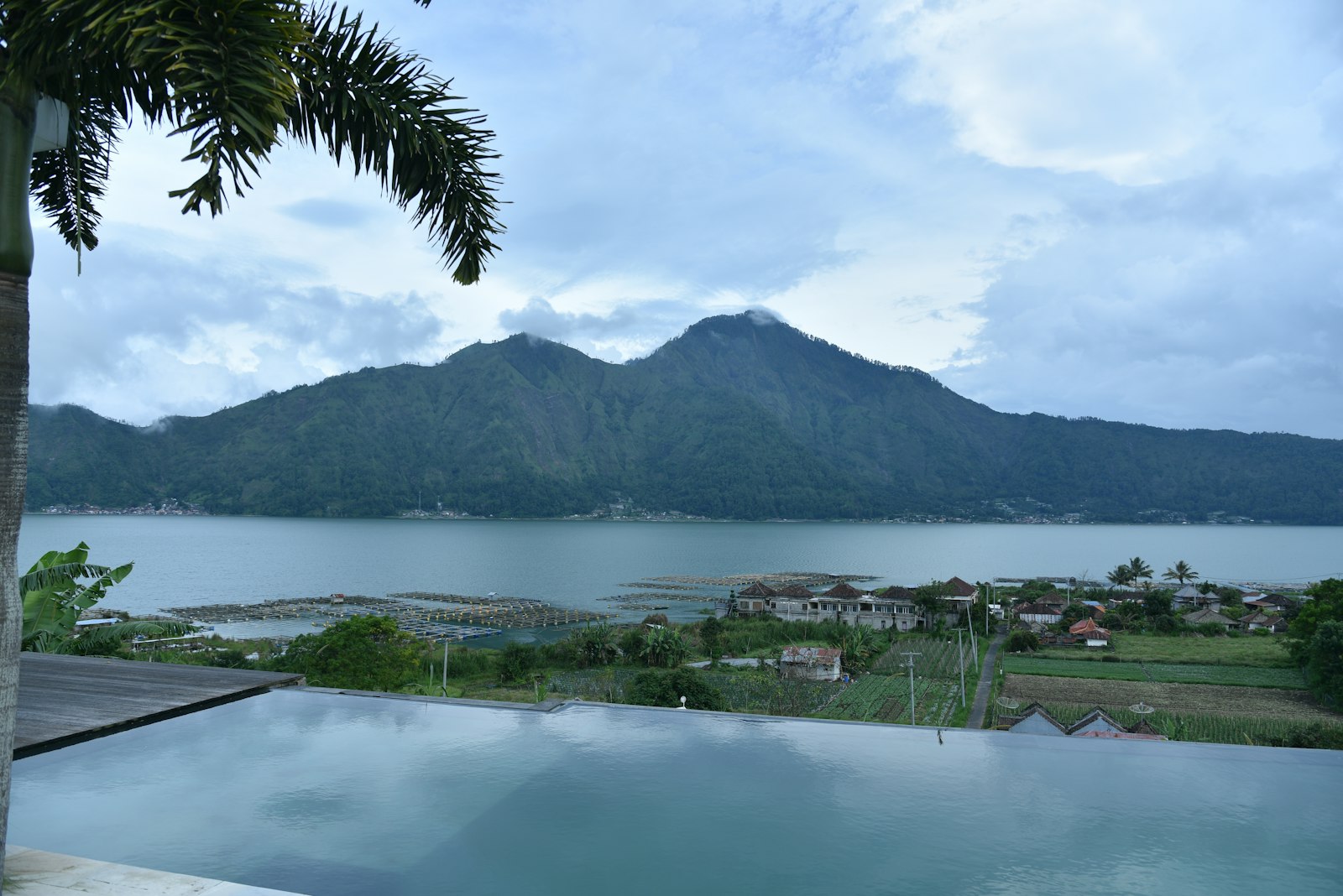
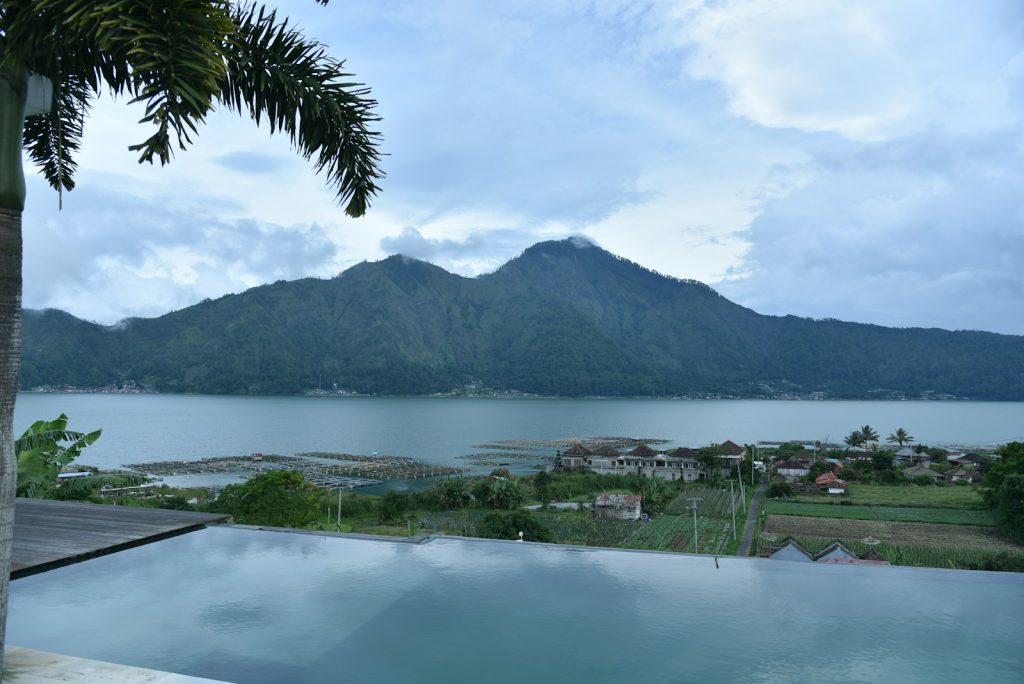
A private pool villa Sumba experience means staying in a low-density villa or estate with its own pool, set inside one of Indonesia’s most elemental islands. Unlike Bali, where private pool villas line every lane, Sumba’s options are fewer, more dispersed and typically part of resort-villa, boutique-estate or eco-lodge formats rather than a pure rental market.
We are Sumba Private: an independent curation and concierge-intelligence service focused solely on high-end, private travel to Sumba. We are not a tour operator or travel agency. Our role is to define the options clearly, share the trade-offs, and—if useful—introduce you to a small network of vetted partners on the island.
Villa formats available for a private pool villa Sumba stay
Sumba’s accommodation landscape is still young. The island does not have rows of urban townhouses converted into villas, nor large-scale gated villa communities. A “sumba villa with pool” almost always falls into one of three structures:
- Villa-with-pool inside a luxury resort or lodge
- Standalone private estate with pool
- Eco-lodge or retreat with private or semi-private pools
Each format carries its own rhythm of privacy, service and logistics.
Resort villas with private pools
The most common way to experience a private pool in Sumba today is within a luxury resort environment. Here you are booking a fully serviced villa with its own pool, but sharing common spaces—restaurants, beach clubs, sometimes stables or surf breaks—with other guests.
What to expect in resort-style private pool villas:
- Architecture and layout
- Large, high-ceilinged pavilions inspired by traditional Sumbanese houses (Uma), with elevated roofs and carved details.
-
Indoor-outdoor bathrooms, shaded verandas, and pools overlooking either the Indian Ocean or wide savannah hills.
-
Service level
- Daily housekeeping and evening turndown are standard at the island’s top resorts.
- Many villas include a shared butler team or on-call host who can organise dining, spa treatments, day trips and cultural visits.
-
Laundry is often available on request and typically charged by piece or kilo.
-
Facilities access
- Restaurants, spa, sometimes a small gym or yoga pavilion, stables, kids’ activities (varies by property).
- Curated activities such as horse riding on the beach, surfing, village visits and waterfalls, usually arranged through the resort’s experience team.
Who this format suits most:
Guests who want both privacy and infrastructure: honeymooners wanting a private villa rental in Sumba without the pressure of running a house, families who value kids’ menus and activity desks, and anyone new to Sumba who prefers an organised introduction to the island.
For many travellers, this hybrid is the most practical “entry-level” private pool villa Sumba option.
Standalone private estates with pools
The second, more discreet format is the standalone estate: one-off villas or compounds on their own parcel of land, sometimes owned by individuals who spend part of the year on Sumba and open the property selectively.
These are fewer in number and often unbranded to the open web for privacy. Some are coastal; others sit on ridges with long views across rice fields or savannah.
Defining features of standalone estates:
- Scale and layout
- Typically larger than resort villas: 2–6 bedrooms, sometimes spread across multiple pavilions.
- One or more pools, often a main lap or lounging pool plus a plunge pool attached to the primary suite.
-
Generous grounds: lawns, gardens with indigenous trees, or cliff / hillside perches for sunset viewing.
-
Staffing model
- A resident caretaker couple or manager is common.
- Housekeeping is often once daily; some estates provide a private chef, others rely on home-cooking staff under a set menu or grocery-plus-service charge model.
-
On-site security or night watch is standard practice on serious properties.
-
Operations and logistics
- Access to markets and supplies can be a constraint: most estates work on pre-arrival provisioning (you approve menus and preferences; the team stocks up).
- Car and driver are usually arranged as part of the stay or quoted separately; self-drive is rare and not advised unless you know Sumba well.
- Wi-Fi quality varies; many estates use mobile 4G routers or satellite solutions.
Who this format suits:
Multi-generational families, small groups of friends, and privacy-first guests used to villa life elsewhere who are comfortable trading resort infrastructure for exclusivity. A secluded villa Sumba estate can feel very private, but requires more planning and a realistic tolerance for remoteness.
Eco-lodges and retreats with private or semi-private pools
The third format is eco-conscious hideaways—ranging from barefoot-chic lodges to more structured wellness retreats—where accommodation is in individual villas or bungalows, some with their own pools.
In this category the line between “private” and “semi-private” can blur:
- Some units have true private pools, walled or hedged off.
- Others share a single multi-level pool between two or three villas.
- A few offer plunge tubs or unheated jacuzzis with valley or ocean views instead of full-length pools.
Expectations here:
- Design and materials
- Timber, stone, alang-alang thatch, and locally woven textiles.
- Open-air living, ceiling fans rather than full-time air-conditioning in some units.
-
Eco-priorities: limited plastics, filtered drinking water, sometimes partial solar.
-
Service and amenities
- Simple, well-cooked food rather than elaborate menus; set menus are common.
- Small teams: you will quickly know your hosts by name.
- Programme-led stays at some retreats (yoga, meditation, horse work, nature immersion).
This format can work very well for wellness-focused couples and solo travellers seeking a low-stimulation environment, with enough comfort to anchor deep rest.
Location trade-offs: coast vs inland, view vs access
Unlike Bali, Sumba has no single tourism centre. Deciding where your villa sits is one of the most important choices you will make, particularly for a private villa rental in Sumba with its own pool.
Coastal villas: access to the ocean, trade-offs in exposure
Most travellers imagine a Sumba villa with pool directly above the sea. On Sumba, this is possible, but the coastline is long and varied.
Concentration on the southwest / west coast
- The highest density of luxury properties sits along Sumba’s southwest and west coasts, roughly in the broader region around Wanokaka, Kodi and Lamboya.
- This area offers long, surf-friendly beaches, dramatic headlands, and easier access from Tambolaka Airport compared with the far east of the island.
Pros of a coastal private pool villa:
- Direct or near-direct beach access for walks, swims (condition-dependent), and sunsets over the Indian Ocean.
- Sea breezes can make the heat more manageable in the middle of the day.
- Easier integration of water-based activities: surfing, SUP, fishing and boat outings organised through your host.
Cons and realities:
- Exposure to wind and swell: some coastal villas can be noisy in heavier surf or windy dry-season days.
- Salt spray and air can affect everything from hair to camera gear; expect a live, maritime environment rather than a glass-box condo feel.
- Depending on the headland and tide, swimming may not always be safe directly in front of your villa; you may use a different beach section identified by the team.
Inland and hilltop villas: wider views, more remoteness
Inland and hilltop villas trade immediate beach access for height and horizon.
Reasons to consider an inland or hillside private pool villa Sumba stay:
- Views: sweeping panoramas over rice fields, river valleys, or savannah that turn golden in the late dry season (August–October).
- Cultural proximity: easier access to traditional villages, markets, and megalithic grave sites without first driving back from the coast.
- Microclimate: slightly cooler evenings at elevation compared with low-lying coastal flats.
Trade-offs:
- You will drive to reach the beach. Distances are not always long on paper, but road quality and speed limits stretch time.
- Some hilltop estates are reached via unpaved or partially paved roads. In the wettest months (roughly December–February) travel times can lengthen considerably.
- Night-time can be very quiet: this is a positive for some guests, unsettling for others.
Understanding road access and time on Sumba
Sumba is large and lightly populated. This shapes the private villa experience more than many first-time visitors anticipate.
- Airports: most high-end villa stays operate from Tambolaka Airport in the west; Umbu Mehang Kunda in Waingapu serves the east.
- Roads: the main arteries between towns are paved; many beach roads and last stretches to villas are narrower, with sections of gravel or potholes.
- Travel time: a journey that looks like 35 km might reasonably take 60–90 minutes including slower segments and livestock on the road.
We strongly recommend factoring transfer time into any itinerary that combines a secluded villa Sumba stay with excursions across the island. It is often wiser to go deeper in one region than try to “do it all” from a single base.
Privacy, staffing and self-catering realities
Choosing a private pool villa in Sumba often starts with the word “private”. On the island, privacy is influenced as much by land size, building orientation and local village patterns as by marketing language.
How private is “private” in Sumba?
Privacy here is primarily about separation rather than urban anonymity.
- Resort villas
- Villas are usually sited with generous setbacks and landscaping.
- You may share paths with other guests on the way to the restaurant or common pool, but your villa pool area is typically for your use only.
-
Beach areas are shared, not private, in ethical alignment with local communities.
-
Standalone estates
- True seclusion: your nearest neighbour may be a village a few hundred metres away or across a valley.
- Staff houses are often discreetly set behind or below the main villa; staff know when to be present and when to withdraw.
-
Sightlines are planned: infinity edges pointed toward ocean or fields, not other buildings.
-
Eco-lodges and retreats
- Privacy is usually about screening: hedges, vegetation, changes in level.
- Sound carries easily in nature; complete auditory isolation is rare.
- Some lodges have “semi-private” pools attached to two units; this should be clarified before booking if important to you.
If you have specific privacy requirements—for example, for religious reasons, security, or public-profile concerns—a personalised match to the right property is more important than simply booking any “private pool” villa.
Staffing: what a high-end villa in Sumba does (and does not) include
Staffing is one of the main practical differences between Sumba and more established villa markets.
Common inclusions at the upper end:
- Daily housekeeping and bed-making
- Pool and garden maintenance (usually while you are out or at breakfast)
- Night security
- On-site or on-call manager to coordinate activities and handle any issues
- Breakfast included, sometimes half-board arrangements
Variable or by-quote services:
- Private chef or full-board dining
- Dedicated private butler
- Childcare / nanny services
- Private yoga, in-villa spa treatments, on-call medical support beyond basic first aid
Unlike major resort islands, Sumba has a smaller talent pool for hospitality staff. The best properties invest heavily in training and retention; that can mean more human connection and genuine care, but also occasional limits in language fluency and ultra-fine-dining expectations.
Self-catering vs fully catered: honest expectations
A fully self-catered villa stay—where you shop, cook and run the house yourself—is uncommon at the high end in Sumba, partly because of limited supermarket infrastructure and the realities of supply chains.
You are more likely to encounter one of these models:
-
Full-board or half-board
– Common in resorts and some estates.
– Menus are agreed on-site; dietary needs can usually be accommodated with advance notice.
– Fresh fish, seasonal vegetables, and simple grilled meats are reliable staples. -
Provisioned kitchen with in-house cooking staff
– You approve sample menus pre-arrival (for example, Indonesian family-style dinners, simple Western comfort dishes for children).
– The villa team shops in local markets and/ or town supermarkets and charges either at cost with a service fee or via a per-person meal rate.
– You may have access to the kitchen, but staff usually handle cooking and cleaning for safety and efficiency. -
Hybrid: resort restaurants + private in-villa meals
– Day-to-day you can eat at the main restaurant.
– Selected lunches, breakfasts or dinners served privately in your villa or poolside on request.
If you have strong preferences—e.g. plant-based only, specific medical diets or expectations of fine wine lists—these are best addressed during trip design with eyes fully open to what the island realistically supports.
Who a private pool villa Sumba stay suits (and who it does not)
A private pool villa is a format, not an end in itself. The right fit depends on why you are coming to Sumba at all.
Honeymoons and adult escapes
For honeymooners and couples, a private pool villa Sumba stay offers rare space and quiet, with an elemental backdrop of ocean, savannah and sky.
Why it works:
- Days can unfold entirely within your private domain: late breakfasts, pool time, massages, then sunset on the deck.
- Nights are genuinely dark; stars are often visible in dry season (roughly April–October), cloud cover permitting.
- Cultural and nature excursions—traditional villages, waterfalls, horseback riding on the beach—can be spaced out between lazy days.
Considerations:
- Nightlife is essentially absent; this is not the place for bar-hopping.
- Drives can be long; if you dislike road time, choose a location with varied experiences within a compact radius.
- For those used to ultra-urban luxury, the sensory quiet and wildness may be an adjustment, then a gift.
If you are exploring romantic options, our deeper guide to high-end stays on the island is a useful next step: see our page on luxury honeymoons in Sumba.
Families: from young children to teens
Families often assume a private villa rental in Sumba will automatically solve everything. It solves many things—space, control over schedule, the ability for children to be noisy without disturbing strangers—but adds some responsibilities.
Benefits for families:
- Private pool under your supervision; no navigating crowded resort pools.
- Flexible mealtimes and simpler food: rice, grilled fish, pasta, fruit.
- Space for strollers, toys, and separate sleeping areas for children and parents.
Realities to understand:
- Pool fences are not standard. Constant supervision is essential with non-swimmers.
- Sumba’s medical infrastructure is basic outside the main towns; for very young babies or complex medical needs, full risk assessment is required.
- Children’s clubs are limited to a handful of top resorts; in standalone estates, activities are customised and usually led by the villa team or private guides.
For many families, combining a few days in a well-serviced resort villa with time in a more independent estate offers the best of both worlds. We explore child-friendly formats in more depth here: family luxury stays in Sumba.
Wellness, creative work and long stays
For those seeking deep rest, creative focus or a wellness reset, a secluded villa Sumba stay can be powerful.
- The island’s slower pace and broad horizons support reflection and digital detox.
- Some eco-lodges and retreats integrate yoga, meditation, or equine experiences into structured programmes.
- Long-stay arrangements (weekly or monthly) are sometimes possible by-quote, particularly outside peak holiday periods.
In these cases, matching Wi-Fi reliability, workspace comfort, and access to open landscapes becomes just as important as matching villa aesthetics.
Who a private pool villa in Sumba may not suit
- Travellers who want dense restaurant and bar options within walking distance.
- Guests who expect instant spa appointments, retail and nightlife as in Bali or major cities.
- Those unwilling to tolerate occasional inconveniences: power fluctuations, variable mobile data, or the odd gecko in the bathroom.
If you value predictability over discovery, a conventional five-star city hotel or a mature resort destination may be a better fit than Sumba at this stage of its hospitality evolution.
Seasons, climate and timing your villa stay
While your pool is always there, its role in your day shifts with Sumba’s seasons.
Dry season (approximately April–October)
- Weather character: generally drier skies, lower humidity than wet season; days are warm to hot, nights more comfortable.
- Villa experience: high use of the pool during the day, clearer sunsets from coastal villas, more predictable road conditions for inland and cross-island drives.
- Demand: this window, especially June–September and major holiday periods, attracts most high-end visitors; the best private pool villas can book out months in advance.
Wet season (approximately November–March)
- Weather character: more humidity, higher chance of rain and storms, especially December–February. Not uniform; there are often clear intervals.
- Villa experience: the pool is still usable; some guests relish watching storms come and go from the safety of their villa.
- Practicalities: some unpaved roads can deteriorate; travel times may extend. Certain outdoor activities may be adjusted or postponed for safety.
No season can be guaranteed; weather patterns vary year to year. The central question is your comfort with potential rain and road variables versus your desire for quieter periods and occasionally more flexible pricing.
For a broader view of high-end options by region and season, see our Sumba luxury stays overview.
How we think about pricing: ranges, not fixed tags
Sumba’s villa pricing is more complex than simply pulling nightly rates off a booking engine.
- By-quote structure: many of the best villas and estates price dynamically by season, group size and inclusions (e.g. full board versus breakfast only, private activities, boat outings).
- Indicative ranges: as of last verified June 2026, high-end villas with private pools on Sumba typically fall into a multi-hundred to several-thousand USD per night range, depending heavily on format and exclusivity.
- Minimum stays: 2–3 nights is common at resorts; standalone estates often prefer longer blocks, particularly in peak periods.
Because we work only on introductions and curation, not packaged holidays, we do not publish fixed nightly rates or take payment on your accommodation. Instead, we help you clarify your brief, then connect you directly with suitable, vetted hosts or partner advisors, who quote transparently based on your actual dates and preferences.
Booking and vetting through curation (not a booking engine)
Sumba rewards preparation. The island is not yet a place where you can simply “see what’s available tonight” at the level of a private pool villa stay.
Why independent curation matters on Sumba
- Information lag: properties evolve faster than static listings update; staffing shifts, new pools are added, access roads improve or degrade.
- Diversity of formats: “villa” can describe anything from a single suite with plunge pool to a full private estate with its own beach access road.
- Cultural context: proximity to villages, local ceremonies and land-use traditions matters—for your experience and for respectful engagement.
Our work is observational and relationship-based. We visit, re-visit, ask questions and remain honest about trade-offs. No one can pay to change what we publish; if you proceed with our partner they may pay us a referral fee at no extra cost to you.
How a typical private pool villa match works
-
Clarify intent
– You share who is travelling, preferred dates, approximate budget range, and priorities (e.g. strict privacy, horse riding, surf, village immersion, child-friendliness). -
Pre-filter options
– We compare your brief against the realities of specific villas, estates and eco-lodges: access, layout, service level, and availability patterns.
– We often present 2–4 sharply defined options rather than an overwhelming list. -
Context, not sales pressure
– For each option we outline the pros and limits: for example, “closer to surf, longer drive to waterfalls” or “complete seclusion, limited menu variety without special planning”. -
Direct introduction
– With your consent, we connect you directly to the property or a specialised partner who manages your chosen villa, so you can confirm dates, inclusions and payment securely.
If you are ready to start a serious search for the right private pool villa Sumba stay, you can plan your trip with us quietly via email or WhatsApp. We operate without chatbots, and respect concise briefs.
Positioning private pool villas within the wider Sumba stay landscape
A private pool villa is just one way to hold space on Sumba. To place it in context, here is a simplified comparison of three high-end stay types on the island:
- Private pool villa in a resort
- Best for couples and families who want privacy plus full-service facilities, restaurants and curated activities. Typically higher nightly rate but less logistical friction.
- Standalone private estate with pool
- Best for groups, longer stays and privacy-first guests. Requires more planning (menus, transfers, activities) but offers a strong sense of “having your own Sumba”.
- Eco-lodge / retreat with private or shared pools
- Best for wellness and low-intensity travel. More communal feel, smaller teams, simpler infrastructure, often stronger emphasis on nature and cultural connection.
If your focus is ocean proximity rather than the villa format itself, our guide to a beachfront villa in Sumba explores coastal specifics. For very large groups or buy-out scenarios, our overview of private estates in Sumba may be a better starting point. And for those considering a benchmark luxury resort experience, see our dedicated page on Nihi Sumba and its context within the island’s broader offering.
Mid-journey planning: an honest suggestion
Many of our guests ultimately weave a private pool villa Sumba stay into a broader itinerary: a few nights in a flagship resort, several nights in a standalone estate, possibly followed by time elsewhere in Indonesia.
The best outcomes usually come from:
- Setting a clear primary intention (rest, connection, surf, culture, horses, creative work).
- Accepting Sumba’s logistical realities (road time, weather variability, staffing patterns).
- Choosing fewer bases and going deeper in each, rather than chasing every possible sight.
If you would like a considered second opinion on which format and location suit your party, you can quietly plan your trip with us via email or WhatsApp. A short briefing call or message exchange often saves multiple misaligned bookings.
FAQs
Is Sumba a good alternative to Bali for a private pool villa stay?
Yes, if you value space, quiet and elemental nature over restaurant density and nightlife. Sumba has far fewer villas than Bali, and they are more dispersed. Service is highly personal but infrastructure is less polished. For many guests, that trade-off is precisely the appeal.
How far in advance should I book a private pool villa in Sumba?
For peak dry-season dates (roughly June–September and major holidays), plan at least 6–9 months ahead for the most desirable villas and estates. Shoulder-season and wet-season stays can sometimes be arranged closer in, but last-minute options are limited at the top end.
Do all private villas in Sumba come with staff and meals?
All serious high-end villas include housekeeping and basic staffing; most include breakfast at minimum. Some operate on full-board or half-board; others use a provisioned-kitchen model with in-house cooking staff. Pure self-catering is rare and not recommended due to limited shopping infrastructure.
Is Sumba safe for families with young children in private villas?
Many families visit comfortably, but realistic risk assessment is essential. Pools are usually unfenced, medical facilities are basic outside main towns, and transfers can involve long road journeys. With healthy children, attentive supervision and the right villa match, a Sumba stay can work very well, but it is not a plug-and-play resort destination.
Can Sumba Private handle my entire booking and payments?
No. We are not a tour operator or travel agency and do not hold client funds. Our role is to help you define your needs, then introduce you to vetted properties or partner advisors who handle quotations, confirmations and payments directly. No one can pay to change what we publish; if you proceed with our partner they may pay us a referral fee at no extra cost to you.