How to Get to Sumba: Airports & Flights

How to Get to Sumba: Airports & Flights

How to read this: Sumba Private is an independent editorial guide — we research and compare, then connect travellers to vetted local partners. Our help is free; a partner may pay us a referral fee at no extra cost to you, and this never changes what we publish. Prices, schedules, festival dates (including Pasola) and health guidance change — treat figures as indicative and confirm current details before you travel. This is general information, not professional travel, medical or legal advice.

To understand how to get to Sumba, travelers primarily rely on air travel from Bali. The island is served by two distinct airports, offering access to its western and eastern regions, respectively, with direct flights typically originating from Denpasar (DPS) in Bali, serving as the definitive logistics decode for reaching this distinctive Indonesian island.

Sumba’s Twin Gateways: Tambolaka and Waingapu Airports

Understanding Sumba’s geography is key to planning your arrival. The island is served by two primary airports, each providing access to different experiences and regions. Choosing the appropriate entry and exit points can significantly shape the flow and efficiency of your Sumba itinerary, particularly when considering the diverse landscapes and cultural nuances of the west versus the east.

Tambolaka Airport (TMC): The Gateway to West Sumba

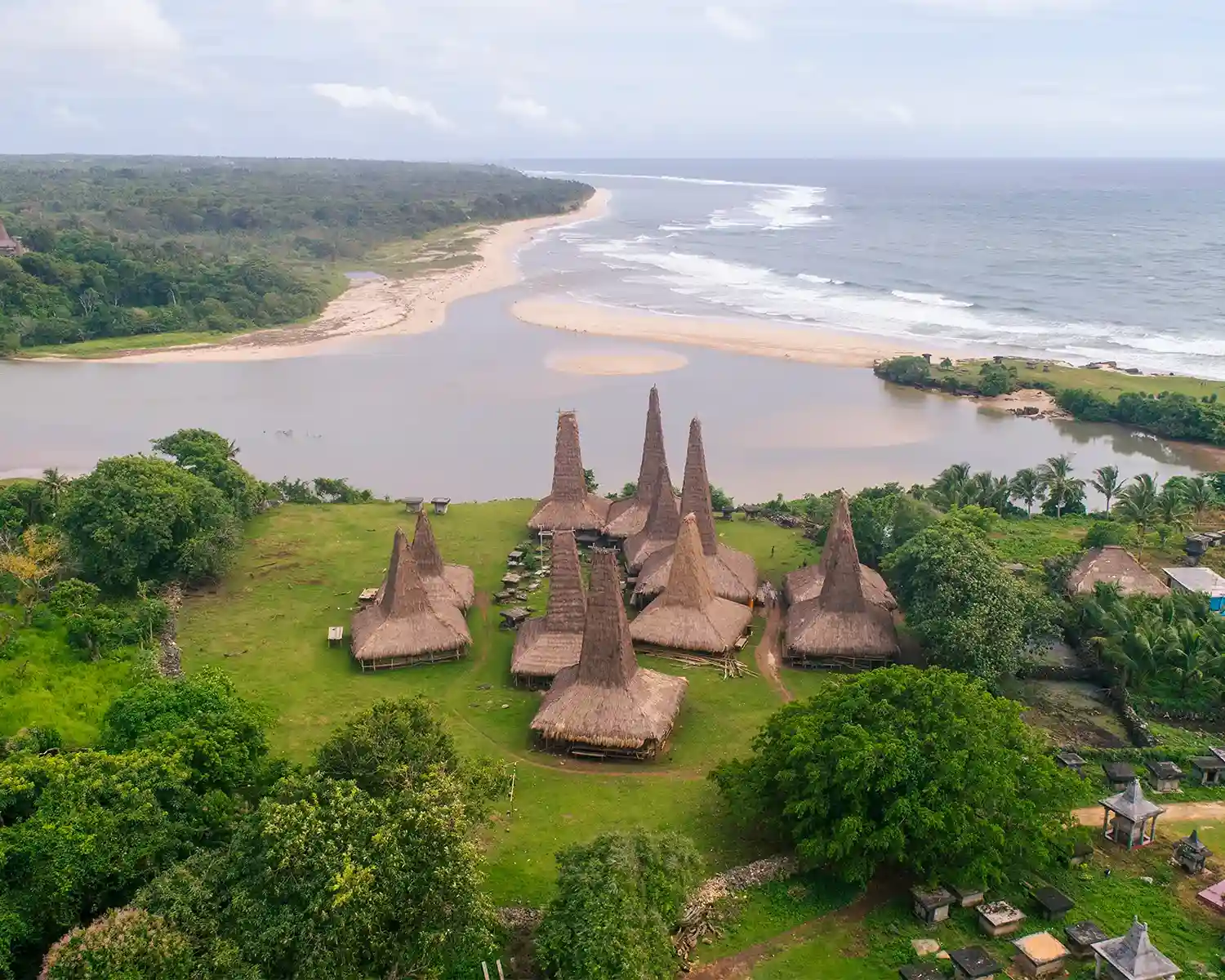
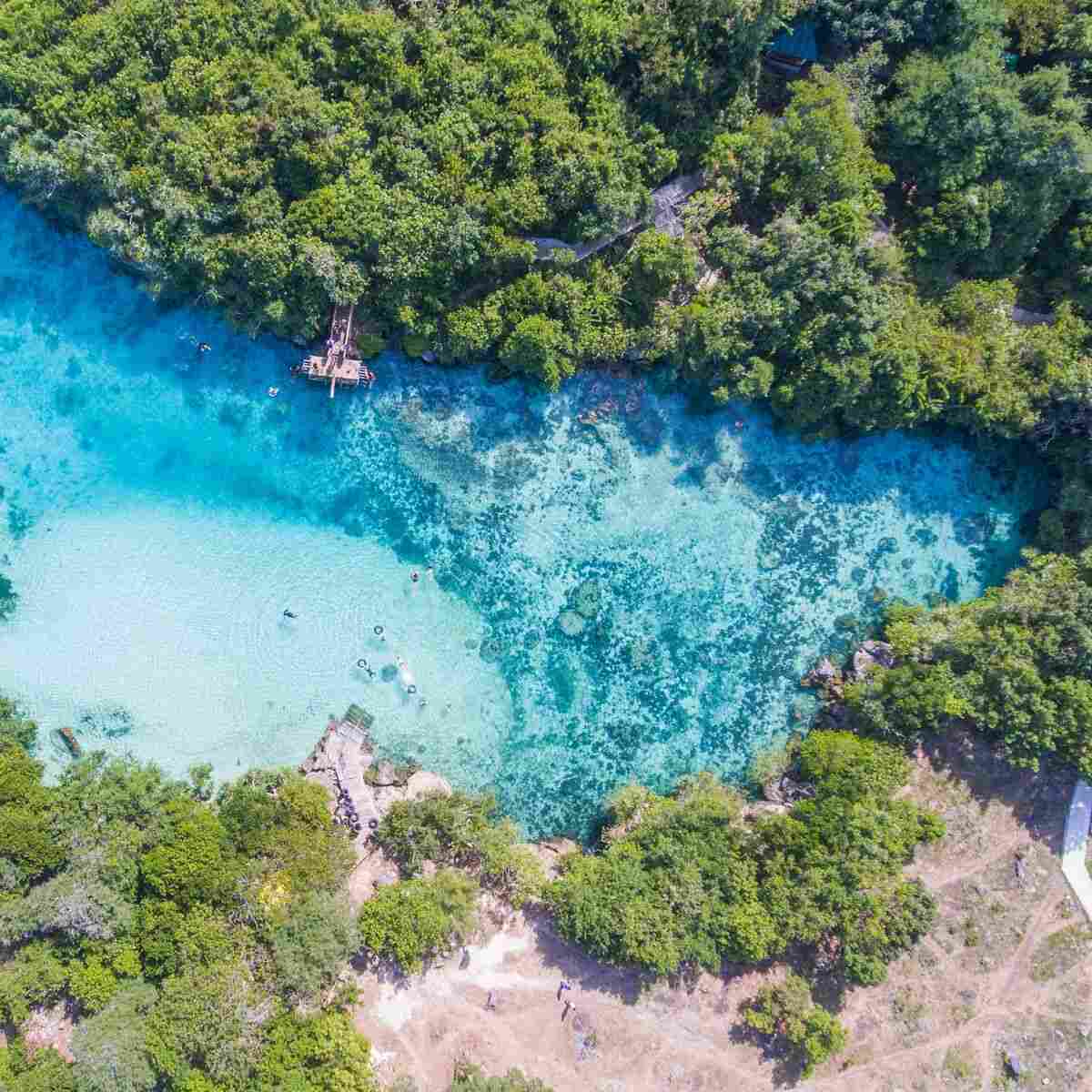
Tambolaka Airport (TMC) is situated in the western part of Sumba. It serves as the most convenient point of entry for those whose primary interest lies in West Sumba’s unique coastal formations, traditional villages, and the majority of the island’s high-end accommodations. The airport itself is functional and capable of handling domestic flights, providing essential services for arriving and departing passengers. Its strategic location makes it the preferred arrival point for travelers seeking proximity to destinations such as Weekuri Lagoon, Ratenggaro Village, and the iconic Nihi Sumba resort.

  • Location and Accessibility: Tambolaka Airport is located in Southwest Sumba, offering direct access to the regencies of Southwest Sumba and West Sumba. The airport’s position facilitates relatively shorter transfers to many of the area’s prominent attractions and luxury properties.
  • Facilities: As a regional airport, TMC offers basic but adequate facilities. Expect a simple waiting area, a few small kiosks, and standard baggage handling services. There are no elaborate retail or dining options, so it is advisable to complete any specific needs before arrival or after departure.
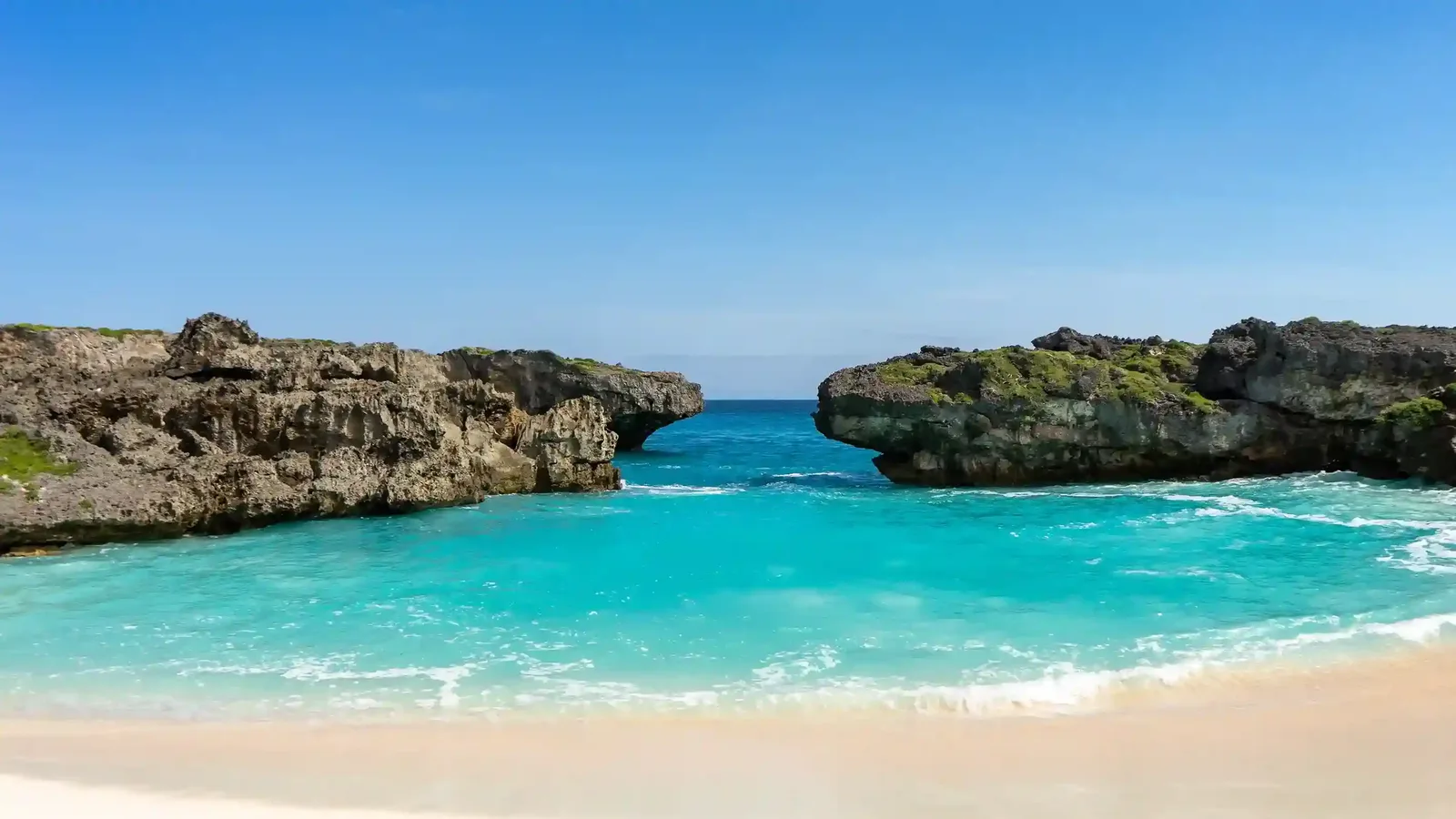
  • Connectivity: TMC is the primary air hub for accessing the traditional Marapu villages of Kodi and Wanokaka, the picturesque beaches of Mandorak and Pero, and the striking natural phenomena of Weekuri Lagoon. The road network from Tambolaka extends across the western half of the island, connecting key cultural and natural sites efficiently.

Umbu Mehang Kunda Airport (WGP): Accessing East Sumba

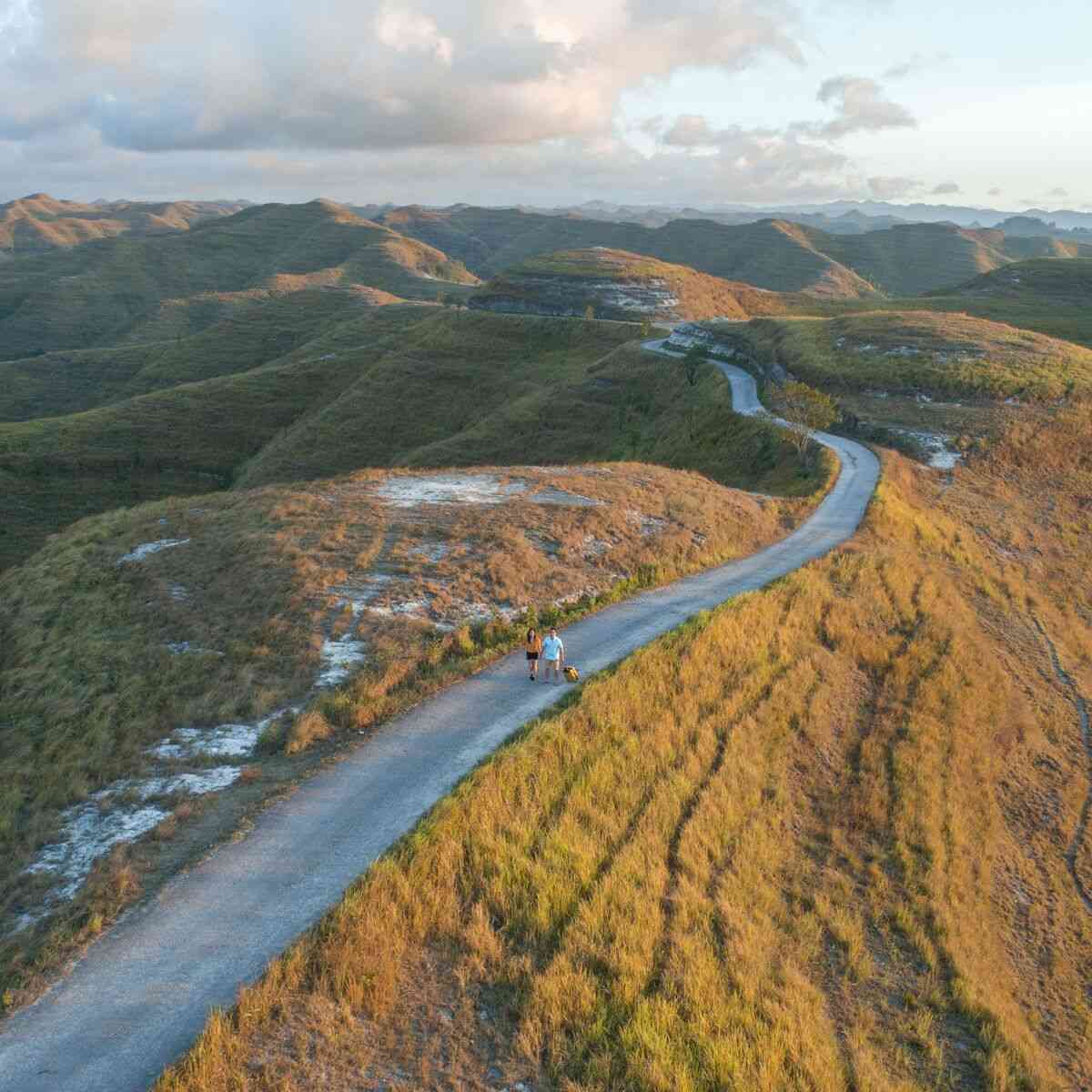
On the eastern side of the island, Umbu Mehang Kunda Airport (WGP) serves the regencies of East Sumba and Central Sumba. This airport is strategically positioned near Waingapu, the largest town and administrative center of Sumba. WGP is the ideal entry point for travelers focused on exploring East Sumba’s expansive savanna grasslands, its distinctive horse culture, and the intricate ikat weaving traditions that define the region. The journey from WGP into Waingapu town is straightforward, providing immediate access to local amenities and onward connections.

  • Location and Accessibility: Umbu Mehang Kunda Airport is located approximately 9.2 kilometers from the town center of Waingapu, making transfers into town quick and convenient. It serves as the eastern counterpart to Tambolaka, opening up a different facet of Sumba’s diverse geography and culture.
  • Facilities: Similar to TMC, WGP provides essential airport services. Passengers can expect basic waiting areas, check-in counters, and luggage handling. While modest, the facilities are designed to ensure a smooth passenger experience for domestic travelers.
  • Connectivity: WGP is the logical gateway for those intending to visit the traditional villages of Prailiang, Praijing, or Rende, explore the vast savannas around Purukambera, or immerse themselves in the vibrant local markets and cultural centers of Waingapu. Its location also makes it suitable for expeditions to the island’s further southeast regions.

Choosing Your Arrival Airport: Tambolaka vs. Waingapu

A strategic choice between Tambolaka (TMC) and Umbu Mehang Kunda (WGP) is foundational to a well-planned Sumba journey. We often advise considering your primary interests, the location of your preferred accommodations, and the overall flow of your itinerary. The decision between these two points of entry is not merely logistical; it dictates the initial impression and the subsequent ease of exploration across Sumba.

Tambolaka (TMC)
Serves the western part of Sumba. This airport is ideal for those prioritizing coastal experiences, the well-known luxury resorts, or the traditional villages of Kodi and Wanokaka. The infrastructure for ground transfers from TMC is generally well-established, catering to a higher volume of discerning travelers heading towards premium properties. This gateway is often preferred for those seeking to immediately immerse themselves in the renowned Sumbanese surf breaks or the captivating ritualistic traditions of the west.
Umbu Mehang Kunda (WGP)
Serves the eastern part of Sumba, including the regional capital, Waingapu. This airport is preferred for exploring the expansive savannas, the distinctive horse culture, and the intricate ikat weaving traditions of East Sumba. It is also the most practical entry point for those venturing further south-east to destinations like Melolo or Rende, which are celebrated for their megalithic tombs and vibrant textile production. WGP provides a more direct route to the island’s agricultural heartland and its rich, diverse ecosystems.

For a deeper analysis of the distinct characteristics of each region and how they might align with your travel aspirations, we have prepared a comprehensive comparison of West Sumba vs. East Sumba, which we encourage you to consult during your planning process.

Flights to Sumba from Bali: Your Primary Air Connection

The most common and efficient way to reach Sumba is via a direct flight from Ngurah Rai International Airport (DPS) in Bali. This connection serves as the primary air bridge to the island, facilitating access for both international and domestic travelers. Understanding the dynamics of these flights—duration, frequency, and operating airlines—is crucial for seamless travel planning.

Flight Duration and Frequency

Flights from Denpasar (DPS) to either Tambolaka (TMC) or Umbu Mehang Kunda (WGP) are relatively short, offering a quick transition from the international hub of Bali to the serene landscapes of Sumba. The journey typically takes between 1 hour to 1 hour 15 minutes, making Sumba an easily accessible extension of a Bali itinerary.

  • Duration: The airborne time is consistently around 1 hour to 1 hour 15 minutes, depending on the specific destination airport in Sumba and prevailing winds.
  • Frequency: Flight frequency to Sumba varies seasonally. During peak travel periods, it is common to find multiple flights per day to both TMC and WGP. However, during the low season, schedules may reduce to daily or even less frequent services. We strongly advise checking current flight schedules well in advance of your intended travel dates, as these can change without extensive prior notice.

Airlines Operating Flights to Sumba

Several domestic carriers provide service to Sumba, connecting it with Bali and, indirectly, with the rest of Indonesia. While specific operators can change their routes or frequencies based on demand and operational strategies, common examples include:

  • Wings Air (Lion Air Group): Often provides the most frequent connections to both Tambolaka and Waingapu, typically utilizing ATR propeller aircraft known for their efficiency on shorter regional routes.
  • Nam Air (Sriwijaya Air Group): Another regular operator for these routes, offering consistent service between Bali and Sumba.
  • Garuda Indonesia / Citilink: These national carriers may also offer flights, sometimes with less frequency or as part of a code-share arrangement. Their presence can provide additional options, particularly for those seeking a full-service experience or connecting from other Garuda/Citilink routes.

We recommend consulting current flight search engines (such as Skyscanner, Traveloka, or Google Flights) and directly checking airline websites for the most up-to-date information on routes, availability, and fares. This ensures you have the most accurate picture of your options when planning flights to Sumba from Bali.

Booking Your Flights: Essential Considerations

Securing your flights to Sumba requires attention to a few key details to ensure a smooth and stress-free journey.

  • Advance Booking: Especially for travel during peak season or for specific dates surrounding holidays, booking your flights well in advance is highly advisable. Popular routes can fill up quickly, and last-minute bookings often incur higher fares.
  • Flexibility: If your itinerary allows for some flexibility with your travel dates, you may find better fares by adjusting your departure or arrival slightly. Weekday flights are sometimes more economical than weekend travel.
  • Luggage Allowances: Domestic flights within Indonesia, including those to Sumba, often have more restrictive baggage allowances than international flights. Typically, checked luggage limits range from 10kg to 20kg. Verify the specific limits with your chosen carrier to avoid unexpected excess baggage fees at the airport.
  • Online vs. Travel Agent: Both methods are viable. Booking online directly through airline websites or trusted aggregators offers convenience. For complex itineraries, or if you prefer personalized assistance, a travel specialist or concierge service can offer added convenience and expertise in navigating domestic Indonesian flight options.

Strategic Entry and Exit: The Open-Jaw Approach to Sumba

For those planning a comprehensive exploration of Sumba, encompassing both its western and eastern regions, we frequently recommend an “open-jaw” strategy. This involves flying into one airport (e.g., Tambolaka) and departing from the other (e.g., Umbu Mehang Kunda). This method is designed to maximize your time on the island and enhance the logistical efficiency of your journey, eliminating the need to retrace your steps.

Optimizing Your Sumba Itinerary

The open-jaw approach allows for a logical progression through Sumba’s diverse landscapes, ensuring that your travel between regions becomes part of the discovery rather than a mere transit.

  • West-to-East Flow: A common and highly efficient strategy is to arrive at Tambolaka (TMC) in the west, traverse the island overland via private transfer, and then depart from Umbu Mehang Kunda (WGP) in the east. This sequence allows travelers to experience the distinct characteristics of West Sumba, including its prominent resorts and traditional villages, before moving eastward to explore the savannas, horse culture, and ikat weaving centers. This linear progression minimizes backtracking and allows for a seamless, unfolding narrative of the island.
  • East-to-West Alternative: The reverse itinerary is equally viable and can be preferred depending on your specific interests and the sequence of your preferred experiences. Starting in the east (WGP) might appeal to those wishing to immediately immerse themselves in the cultural heartland of Waingapu and its surrounds, before moving westward towards the more developed tourism infrastructure and coastal attractions. Both directions offer a rich and varied journey.

Benefits of an Open-Jaw Strategy

The advantages of planning an open-jaw itinerary extend beyond mere convenience, impacting the overall quality and depth of your Sumba experience.

  • Reduced Travel Time: This strategy eliminates the need for a return journey to your initial arrival airport, significantly reducing internal travel time and allowing for more immersive exploration. Instead of spending hours driving back to a single airport, that time can be reallocated to cultural visits or leisure.
  • Maximized Exploration: By entering one end of the island and exiting the other, you are able to experience a broader spectrum of Sumba’s distinct regions. This approach ensures that you encounter the full diversity of the island’s geography, culture, and traditions without repetition.
  • Logistical Efficiency: An open-jaw plan streamlines ground transfers and accommodation planning. Rather than arranging multiple round trips from a central base, you can plan a linear series of stays, each strategically located to minimize daily travel distances. This contributes to a more relaxed and fluid itinerary.

For assistance in crafting a seamless and personalized journey that incorporates the optimal open-jaw strategy for your specific interests, including detailed route planning and vetted ground transfers, we invite you to plan your trip with our concierge intelligence. Our team can also be reached via WhatsApp for immediate support and bespoke itinerary creation.

The Overland Journey: Connecting Sumba’s Airports

The journey between Tambolaka (TMC) in the west and Umbu Mehang Kunda (WGP) in the east is a significant part of the Sumba experience. This overland traverse reveals the island’s varied interior, transitioning from the more developed western regions through the central highlands to the expansive savannas of the east. It is an opportunity to witness the daily life and changing landscapes of Sumba firsthand, offering insights that air travel alone cannot provide.

Distance and Estimated Travel Time

Understanding the parameters of this inter-airport journey is fundamental to effective itinerary planning.

  • Distance: The route connecting Tambolaka and Waingapu spans approximately 270-300 kilometers, depending on the exact path taken and any specific detours to points of interest along the way.
  • Travel Time: By private car, this overland journey typically takes 3 to 3.5 hours of continuous driving. However, this estimate is conservative. Actual travel time can extend based on various factors, including

    Frequently asked questions

    Should I fly into Tambolaka or Waingapu?

    Fly into Tambolaka (TMC) if your trip centres on West and Southwest Sumba — the megalithic villages, Weekuri Lagoon, the Kodi coast and the southwest luxury stays. Fly into Waingapu (WGP) for East Sumba’s savanna, the ikat-weaving villages and Walakiri. Many travelers fly into one and out of the other, crossing overland in between.

    How long is the flight to Sumba from Bali?

    Non-stop flights from Denpasar (DPS) to either Tambolaka or Waingapu typically take around one hour to one hour fifteen minutes. Schedules and operating airlines change seasonally, so confirm current routes and times when you plan.

    How long does it take to drive across Sumba?

    Driving between Tambolaka and Waingapu takes roughly three to three-and-a-half hours across central savanna and hill country, before any sightseeing stops. Build in buffer time — roads vary and the best experiences are unhurried.

Plan Your Trip
WhatsAppPlan Your Trip