What to Pack for Sumba: An Editor’s List
Prepare for Sumba's sun, heat, and rich culture. Our editor's guide details what to pack for Sumba, covering clothing, health, money, and respectful villag
15 min read
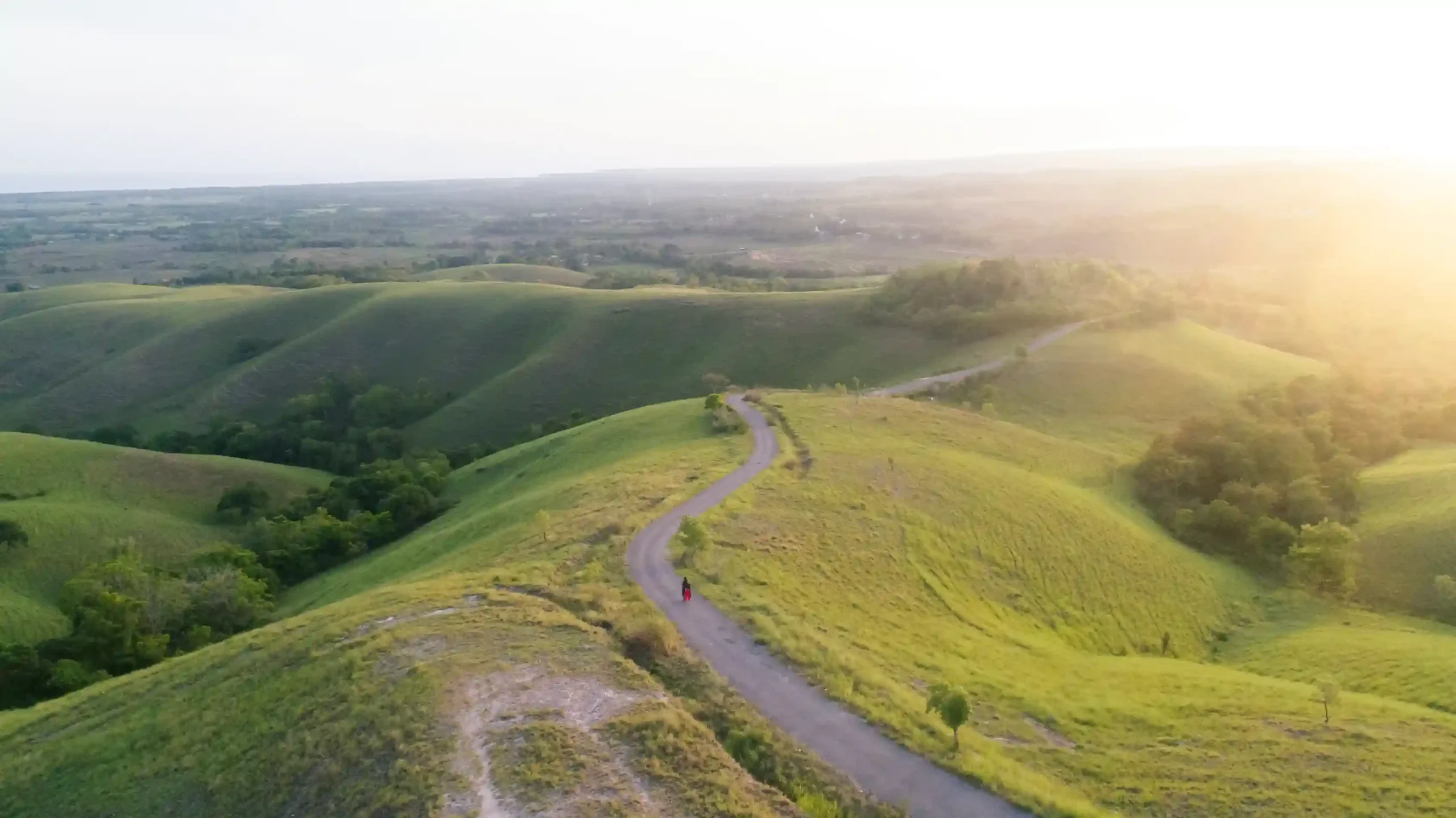
To prepare for a journey to Sumba requires forethought, given the island’s unique climate, cultural nuances, and logistical realities. Deciding precisely what to pack for Sumba is a foundational step in ensuring a comfortable and respectful experience on an island where essentials are not always readily available. This comprehensive guide serves as your authoritative Sumba packing list, designed to help you navigate everything from the tropical sun to the esteemed traditions of Marapu villages, ensuring you bring all the Sumba essentials needed for an enriching visit.
Sumba presents an environment characterized by persistent heat, intense sun, and a profound cultural landscape that values modest dress, particularly in its traditional villages. Modern conveniences such as extensive retail options or ubiquitous connectivity are not the island’s primary attributes. Therefore, our counsel is to bring those essential items you cannot easily acquire locally, focusing on self-sufficiency and preparedness. This approach mitigates potential inconveniences and allows for a deeper immersion into the island’s rhythms.
Clothing for Comfort and Cultural Respect
Selecting appropriate attire for Sumba balances personal comfort with deep respect for local customs. The island’s climate is consistently warm, often humid, and subject to intense equatorial sun, particularly during the dry season from April to October. Our recommendations prioritize lightweight, breathable fabrics for daily wear, coupled with specific considerations for cultural sensitivity and sun protection.
Daily Wear: Embracing the Tropical Climate
For general use, we advise light cotton, linen, or similar moisture-wicking materials. These fabrics offer maximum ventilation and dry quickly, which is advantageous in a humid environment.
* T-shirts and tops: Pack a sufficient quantity of short-sleeved shirts. For extended sun exposure, consider light, long-sleeved shirts made from breathable fabric. These offer protection without undue warmth.
* Bottoms: Lightweight shorts, capris, or loose trousers are suitable for most non-village activities. For women, comfortable skirts or sundresses are also appropriate.
* Sleepwear: Light pajamas or a comfortable t-shirt and shorts will suffice.
Swimwear and Beach Attire
Sumba’s coastline offers pristine beaches and opportunities for water activities.
* Swimsuits: Bring at least two swimsuits to allow one to dry while another is in use.
* Rash guard: For those planning to surf, snorkel, or spend extended periods in the water, a rash guard offers crucial protection against the strong sun and potential irritation from boards or coral.
* Beach cover-ups: A sarong, pareo, or light dress provides an easy transition from beach to a casual setting, offering a degree of modesty.
Respectful Attire for Village Visits
Visiting Sumba’s traditional megalithic villages, many of which are active Marapu spiritual centers, requires a particular standard of dress. This is not merely a formality but a sign of respect for the ancestors, the elders, and the sacred practices that continue.
* Modest layers: For both men and women, shoulders and knees must be covered. This typically means long skirts, sarongs, or trousers for women, and long shorts or trousers for men. Long-sleeved shirts are preferred, though short sleeves are generally acceptable if shoulders are covered.
* Sarong: We strongly recommend carrying a sarong (known locally as a kain) at all times. This versatile item can be purchased upon arrival from local markets or artisans, providing both an authentic souvenir and an immediate means to adapt your attire for respectful entry into villages. It can be wrapped around shorts or swimwear to cover the legs.
* Head covering: While not always strictly mandatory for visitors, women may consider bringing a lightweight scarf for head covering in particularly sacred spaces, following local cues.
* Footwear: We address this in detail below, but note that shoes are often removed before entering traditional homes or sacred areas.
Sun Protection
The sun in Sumba is intense. Adequate protection is non-negotiable.
* Wide-brimmed hat: Essential for shielding your face, neck, and ears.
* Sunglasses: Protect your eyes from UV radiation.
* Reef-safe sunscreen: Choose a broad-spectrum, high-SPF sunscreen. Crucially, ensure it is reef-safe to protect Sumba’s fragile marine ecosystems. Products containing oxybenzone and octinoxate are detrimental to coral and marine life. We advise bringing enough for your entire trip, as specialized reef-safe options can be difficult to source locally.
Packing Considerations for Clothing
- Roll, don’t fold: Rolling clothes can save space and minimize wrinkles.
- Packing cubes: These can help organize your items and compress soft goods.
- Laundry: Many accommodations offer laundry services, though hand-washing and line-drying are also feasible given the climate. Pack quick-dry items where possible.
What to Wear in Sumba: A Quick Reference
We provide a comparative overview of clothing considerations for different Sumba environments:
| Environment/Activity | Recommended Attire (Women) | Recommended Attire (Men) | Key Considerations |
|---|---|---|---|
| Beach/Pool | Swimsuit, sarong/cover-up, hat | Swim shorts, t-shirt, hat | Sun protection, quick-drying |
| Towns/Resorts | Sundresses, skirts, light tops, shorts | T-shirts, polo shirts, shorts, light trousers | Casual, comfortable, breathable |
| Traditional Villages | Long skirt/sarong (knees/ankles covered), modest top (shoulders covered), lightweight scarf (optional) | Long shorts/trousers (knees covered), t-shirt (shoulders covered) | Strictly modest, respectful of Marapu culture; always carry a sarong. Permission often required. |
| Hiking/Waterfalls | Quick-dry shorts/capris, t-shirt, rash guard (for water activities) | Quick-dry shorts/trousers, t-shirt, rash guard (for water activities) | Comfort, durability, sun protection, suitable for uneven terrain |
| Evening | Light dress, skirt/trousers with a nice top | Collared shirt, light trousers/chinos | Casual elegant, comfortable for outdoor dining |
This table serves as a general guide. When in doubt, err on the side of modesty, especially when interacting with local communities.
Health and Safety Essentials
The tropical environment of Sumba, while enchanting, necessitates specific health and safety preparations. While we offer general information, we explicitly state that this is not medical advice. We strongly recommend consulting with a travel medical clinic or your physician several months before departure to discuss immunizations, malaria prophylaxis, and other health precautions relevant to your personal circumstances.
Malaria and Insect Protection
Sumba, like other islands in Nusa Tenggara Timur (NTT) province, is an area where malaria is present.
* Insect repellent: This is perhaps the single most critical item for your health packing list. Choose a repellent containing DEET (30-50%), Picaridin (up to 20%), or oil of lemon eucalyptus (OLE) for effective protection against mosquitoes, which are most active at dawn and dusk. Apply diligently and reapply as directed.
* Long clothing for evenings: Wearing long-sleeved shirts and long trousers in the evenings, even if warm, provides an additional barrier against mosquito bites.
* Malaria prophylaxis: Discuss with your doctor whether anti-malarial medication is appropriate for your trip. They will assess your itinerary, medical history, and current health recommendations.
* Mosquito net: While most reputable accommodations will provide mosquito nets, especially in fan-cooled rooms, a lightweight, impregnated travel net can offer peace of mind for those venturing into more rustic settings.
* Itch relief: Antihistamine cream or tablets can alleviate discomfort from insect bites.
First-Aid Basics
A well-stocked personal first-aid kit is invaluable for managing minor ailments or injuries.
* Bandages and antiseptic wipes: For cuts, scrapes, and blisters.
* Pain relievers: Paracetamol (acetaminophen) or ibuprofen for headaches, muscle aches.
* Anti-diarrhea medication: Loperamide (e.g., Imodium) for digestive upset.
* Oral Rehydration Salts (ORS): Essential for rehydrating in case of severe sweating or gastrointestinal issues.
* Allergy medication: If you have known allergies, bring your prescribed medication (e.g., EpiPen if required). Over-the-counter antihistamines are also useful for minor reactions.
* Prescription medications: Ensure you bring an adequate supply of any prescription medications you require, along with a copy of your prescription. Keep them in their original packaging.
* Hand sanitizer: Water and soap may not always be readily available, especially when out exploring.
* Sunburn relief: Aloe vera gel or a mild moisturizer.
Hydration and Water Safety
Staying hydrated is crucial in Sumba’s climate.
* Reusable water bottle: We strongly advocate for bringing a reusable water bottle. Many accommodations provide filtered water for refilling, helping to reduce plastic waste.
* Water purification tablets/filter: For those planning extensive treks or visiting remote areas where potable water sources are uncertain, a personal water filter or purification tablets offer an additional layer of safety.
Money and Connectivity: Practicalities of Sumba Travel
Sumba operates predominantly as a cash-based society. While some larger resorts or establishments in major towns like Waingapu or Waikabubak may accept credit cards, reliance on plastic can lead to significant inconvenience.
Carrying Cash
- Indonesian Rupiah (IDR): The local currency is essential for most transactions, particularly in villages, local markets, and smaller eateries.
- ATM availability: ATMs are limited. They are primarily found in the two main towns, Waingapu (East Sumba) and Waikabubak (West Sumba). Even in these locations, ATMs can occasionally be out of service or run out of cash, especially on weekends or public holidays. We advise withdrawing sufficient cash upon arrival at larger airports or in Bali/Jakarta before flying to Sumba, or immediately upon reaching Waingapu or Waikabukak. For more detailed guidance, refer to our dedicated piece on ATMs and Cash in Sumba.
- Small denominations: Always carry a good supply of smaller notes (e.g., IDR 5,000, 10,000, 20,000, 50,000). Larger notes can be difficult to break in remote areas.
- Secure storage: Distribute your cash in different secure locations within your luggage and on your person to minimize risk. A travel money belt can be useful.
Connectivity
Internet and mobile connectivity on Sumba can be patchy and inconsistent, particularly outside of the main towns.
* Local SIM card: For reliable (though not guaranteed) mobile data, purchasing a local SIM card upon arrival in Indonesia is highly recommended. Telkomsel generally offers the broadest coverage across the archipelago, including Sumba. You will need an unlocked phone and your passport for registration. For comprehensive information on staying connected, consult our guide to Connectivity in Sumba.
* Offline maps: Download offline maps (e.g., Google Maps, Maps.me) of Sumba before your trip. This will be invaluable for navigation when data is unavailable.
* Power bank: A portable power bank is essential for charging your phone and other devices, especially when exploring or staying in accommodations with limited power outlets.
* Universal adapter: If your devices use different plug types, bring a universal travel adapter. Indonesia uses Type C/F sockets (two round pins).
Footwear for Diverse Terrains
Sumba’s varied landscape, from sandy beaches to rugged village paths and waterfall trails, demands a selection of appropriate footwear.
- Flip-flops/Sandals: Indispensable for beach wear, short walks, and general comfort around your accommodation. Opt for durable, comfortable pairs.
- Sturdy walking shoes/Sneakers: For exploring towns, light hiking, or visiting villages where paths can be uneven and dusty. Ensure they offer good support.
- Water shoes/Tevas-style sandals: Highly recommended for waterfall excursions, river crossings, or navigating rocky shorelines. These protect your feet from sharp stones and provide grip on slippery surfaces.
- Hiking boots: For serious trekkers planning extensive, multi-hour hikes, lightweight hiking boots may be considered. However, for most visitors, sturdy sneakers suffice.
Remember that when visiting traditional villages, you may be asked to remove your shoes before entering certain homes or sacred areas. Choose footwear that is easy to slip on and off.
Respectful Engagement in Marapu Villages
We reiterate the importance of respectful conduct, particularly when visiting Marapu traditional villages. These sites are not merely tourist attractions but active spiritual and residential communities.
* Permission: Always seek permission from the village elders (often indicated by a designated guide or community representative) before entering. This may involve a small offering or a simple request. Our detailed guide on Ethical Village Visits in Sumba provides comprehensive advice on this sensitive topic.
* Dress: As noted, modest dress is paramount. Shoulders and knees must be covered. A sarong is a minimal requirement.
* Photography: Always ask for explicit permission before taking photographs of people, especially children, elders, or sacred ceremonies. Be prepared for some individuals to decline. Respect their wishes.
* Gifts/Donations: If you wish to offer a token of appreciation, a small, discreet cash donation to the village community (not to individuals as direct payment for photos) or consumable items like betel nut (pinang) or cigarettes (often shared communally) are generally accepted. Avoid giving candy or money directly to children, as it can inadvertently foster a begging culture.
Miscellaneous Essentials and Nice-to-Haves
Beyond the core categories, a few additional items can significantly enhance your Sumba experience.
- Reusable shopping bag: For market visits or incidental purchases, helping to reduce plastic waste.
- Small daypack: For carrying water, snacks, camera, and other essentials during day trips.
- Dry bag: A waterproof bag is invaluable for protecting electronics and valuables from unexpected rain or splashes during boat trips or waterfall visits.
- Headlamp/Flashlight: Useful for navigating at night in areas with limited street lighting or during power outages.
- Book/E-reader/Journal: For downtime, especially during travel between locations or quiet evenings.
- Travel pillow: For comfort during long transfers.
- Basic toiletries: While some accommodations provide amenities, bringing your preferred shampoo, conditioner, soap, and toothpaste ensures comfort. Consider biodegradable options.
Sumba Packing Checklist
To simplify your preparations, we present a concise checklist of Sumba essentials to bring:
Clothing & Accessories:
* ☐ Lightweight t-shirts/tops (long-sleeved options for sun/modesty)
* ☐ Lightweight shorts/capris/trousers
* ☐ Long skirts/dresses (for women, for village visits)
* ☐ Swimsuits (2+)
* ☐ Rash guard
* ☐ Sarong/Kain (essential for modesty in villages)
* ☐ Beach cover-up
* ☐ Wide-brimmed hat
* ☐ Sunglasses
* ☐ Lightweight scarf (optional for head covering)
* ☐ Underwear & socks
* ☐ Sleepwear
Footwear:
* ☐ Flip-flops/sandals
* ☐ Sturdy walking shoes/sneakers
* ☐ Water shoes/Tevas-style sandals
Health & Safety:
* ☐ Insect repellent (DEET/Picaridin)
* ☐ Reef-safe sunscreen (high SPF)
* ☐ Basic first-aid kit (bandages, antiseptic, pain relievers, anti-diarrhea, ORS)
* ☐ Personal prescription medications (with copy of prescription)
* ☐ Hand sanitizer
* ☐ After-sun lotion/Aloe vera
* ☐ Lip balm with SPF
* ☐ Small towel (quick-dry)
Money & Connectivity:
* ☐ Indonesian Rupiah (IDR) cash (small denominations)
* ☐ Credit/debit cards (for emergencies, limited use)
* ☐ Unlocked phone
* ☐ Local SIM card (consider purchasing upon arrival)
* ☐ Power bank
* ☐ Universal travel adapter
* ☐ Offline maps downloaded
* ☐ Copies of important documents (passport, visa, insurance)
Miscellaneous:
* ☐ Reusable water bottle
* ☐ Small daypack
* ☐ Dry bag
* ☐ Headlamp/flashlight
* ☐ Book/entertainment
* ☐ Basic toiletries (biodegradable preferred)
* ☐ Reusable shopping bag
This comprehensive sumba packing list is designed to cover the necessities for a responsible and enjoyable journey. By preparing thoughtfully, you position yourself to fully embrace the profound beauty and cultural richness of Sumba without unnecessary logistical concerns.
We understand that planning a trip to Sumba involves many considerations, and the nuances of packing are but one aspect. Our independent curation service is designed to provide neutral editorial guidance and vetted-partner introductions, ensuring your journey is tailored to your preferences and grounded in authentic experiences. Should you wish for further assistance in refining your itinerary or addressing specific concerns, we invite you to plan your trip with us. Our team is available to offer personalized pre-trip help, including direct WhatsApp planning, at no additional cost. We emphasize that no one can pay to change what we publish; if you proceed with our partner they may pay us a referral fee at no extra cost to you.
Frequently Asked Questions
What should I wear when visiting a traditional Marapu village in Sumba?
When visiting a traditional Marapu village, it is essential to dress modestly out of respect for the local culture and ancestral traditions. Both men and women should ensure their shoulders and knees are covered. For women, this typically means a long skirt or sarong and a modest top. For men, long shorts or trousers and a t-shirt are generally acceptable. Always carry a sarong, as it can be easily wrapped around your waist to cover your legs if you are wearing shorts.
Is malaria a concern in Sumba, and what precautions should I take?
Yes, Sumba is located in Nusa Tenggara Timur (NTT) province, where malaria is present. We strongly advise consulting with a travel medical clinic or your physician several months before your trip to discuss recommended immunizations and whether malaria prophylaxis (anti-malarial medication) is appropriate for you. Additionally, use a strong insect repellent containing DEET or Picaridin, especially at dawn and dusk, and consider wearing long-sleeved shirts and long trousers in the evenings to minimize mosquito bites.
How much cash should I bring to Sumba, and are ATMs readily available?
Sumba operates primarily as a cash-based society. ATMs are limited, found mainly in the main towns of Waingapu and Waikabubak, and can sometimes be out of service or low on cash. We recommend withdrawing a substantial amount of Indonesian Rupiah (IDR) before arriving in Sumba, or immediately upon arrival in one of the main towns. Always carry smaller denominations, as large notes can be difficult to break in remote areas. Distribute your cash in various secure locations.
What kind of footwear is best for Sumba’s varied terrain?
For Sumba’s diverse landscapes, a combination of footwear is ideal. Pack comfortable flip-flops or sandals for casual wear, beaches, and around your accommodation. Sturdy walking shoes or sneakers are essential for exploring towns, light hiking, and navigating uneven village paths. For visits to waterfalls, river crossings, or rocky coastlines, water shoes or Tevas-style sandals are highly recommended to protect your feet and provide grip.
Can I easily buy toiletries or specific items like reef-safe sunscreen in Sumba?
While basic toiletries might be available in larger towns, specialized items like high-quality reef-safe sunscreen, specific medications, or particular brands of insect repellent can be very difficult to find, if at all. We strongly advise bringing all personal toiletries, sun protection, and any specific health-related items you require for the duration of your trip, as local options may be limited or not meet your standards.