Swimming With Horses in Sumba: What’s Real and What’s Hype
Honest guide to swimming with horses Sumba: how it works, where it’s real, welfare standards, and how to plan an ethical sandalwood pony experience.
16 min read
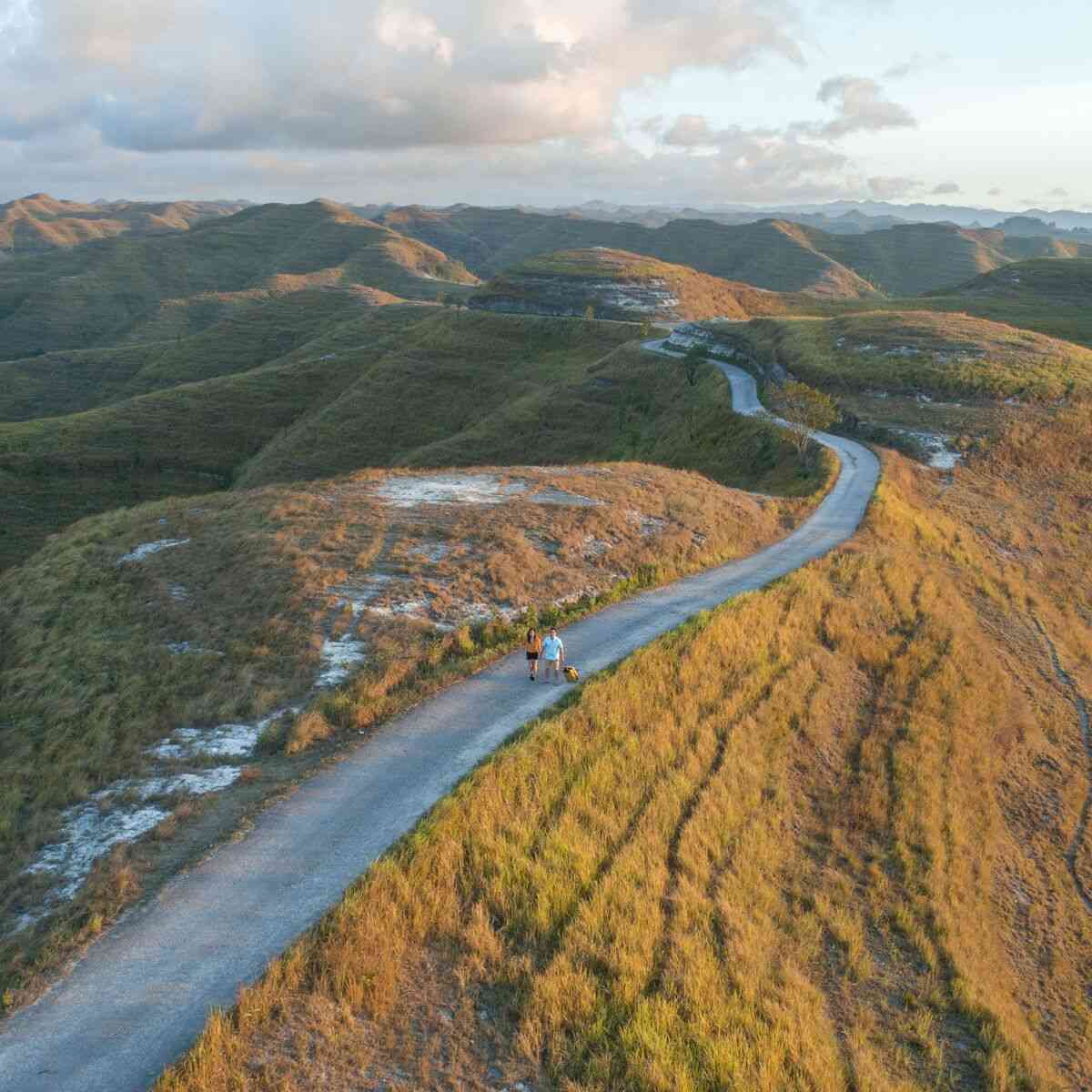
Swimming with horses in Sumba is a real, culturally rooted experience, not an Instagram myth – but it is highly curated, seasonal and always subject to the welfare of the horses. If “swimming with horses Sumba” is on your list, the reality is more nuanced than the viral photos suggest, and understanding that nuance is the key to a good experience.
Sumba’s now-famous horse-on-beach imagery – cantering silhouettes at sunset, riders walking a Sumba horse on beach shallows, or a sandalwood pony stepping carefully into the surf – grows out of an old, living culture, not a marketing department. It is also closely associated with the remote south‑west coast around Nihi Sumba, whose wild beaches and consistent surf have made those images globally recognisable.
What follows is our clearest view, as an independent curator: what is real, what is limited or seasonal, what is ethically questionable, and how to match your expectations to what Sumba, and its horses, can genuinely give you.
The Cultural Backdrop: Kuda Sandel, Pasola and Status
Meet the Sumba sandalwood pony (kuda Sandel)
Sumba’s characteristic horse is the kuda Sandel – often called the Sumba sandalwood pony. Small by European or American standards, usually stocky and sure‑footed, these ponies were historically prized for their endurance and exported widely across the Indonesian archipelago.
Key traits:
- Compact size, typically pony‑height
- Hardy, adapted to dry, hilly terrain
- Calm but responsive temperament when well handled
- Traditionally used for herding, transport and ritual events
In much of rural Sumba, horses are still working animals. They are also a visible marker of family status: owning several good ponies is a quiet statement of wealth and influence.
Horses in ritual life: Pasola and beyond
The most widely reported expression of Sumba’s horse culture is Pasola – an annual ritual spear‑throwing event staged on horseback in several communities in West Sumba, timed around the rice-planting season and the arrival of sea worms (nyale).
During Pasola:
- Dozens of riders charge across open fields on sandalwood ponies.
- Historically, bloodshed was accepted as part of the ritual; today, it is more regulated but still carries real risk.
- The event is as much about cosmology and community obligation as it is about display.
The same skills that power Pasola – riding at speed, trusting a horse on uneven ground, reading an animal in motion – also underpin the effortless images of Sumbanese riders cantering along a beach. The “riding horses beach Sumba” scenes you see are not imported horse tourism; they are an extension of local horse culture meeting a dramatic coastline.
From working animal to icon
Over the last decade, as Sumba’s profile has grown internationally, the horse has become an icon for the island:
- Local tourism campaigns often center a solitary sandalwood pony against a wide shore.
- Nihi Sumba’s own media footprint has amplified the image of horse-and-beach life.
- Private photographers frequently seek out horse imagery as a shorthand for “wild Sumba”.
This shift has benefits and risks. On the one hand, it celebrates a real cultural asset. On the other, it can encourage simplified, sometimes staged versions of horse life, where the animal becomes primarily a prop. Any responsible experience here starts with awareness of that tension.
Where and How Horse-and-Beach Experiences Actually Happen
The geography: south and west coasts
Sumba is larger than many first‑time visitors expect, with long travel times between regions and very different coastal characters.
For horse-on-beach and swimming experiences, the concentrations today are:
-
South‑west coast (Kodi–Wanokaka region)
Wide, often empty beaches with heavy ocean swell. This is the area most widely associated in international media with horses in the surf, particularly around the coastline where Nihi Sumba sits. -
Select west‑ and south‑coast villages
In some communities, local horse owners may bring their animals down to beach areas at low tide for exercise, herding or, occasionally, informal rides.
You will not find structured horse-and-beach offerings on every shore. Many spectacular beaches on Sumba have no horse culture attached to them at all – they are simply too remote, logistically awkward, or culturally focused on fishing and seaweed rather than horses.
Nihi Sumba and the globally familiar imagery
Nihi Sumba, on the remote south‑west coast, operates as a high‑end, barefoot‑luxury resort spread along its own section of beach and surrounding hills. It is not in town; reaching it generally involves a domestic flight to Tambolaka in West Sumba, then a long road transfer.
Nihi’s surf break, wide sweep of sand and in‑house equestrian infrastructure have made it the single most widely reported setting for:
- Guided beach rides for in‑house guests
- Controlled introductions to the Sumba sandalwood pony
- Photographed “swimming with horses” moments defined by resort protocols
Important for clarity:
- Nihi operates on its own terms and for its own guests.
- Access, pricing and availability are managed by the resort and can change without public notice.
- We do not have a commercial affiliation with Nihi and cannot book or alter their programs.
If your mental image of “swimming with horses Sumba” comes from social media or magazine spreads, the odds are that coastline is Nihi’s.
Outside the resort bubble: local horses, local rhythms
Beyond Nihi, horse experiences are more decentralized and community‑based. Scenarios we actually see on the ground:
- A local family in West Sumba bringing their ponies to the beach at low tide, mainly for exercise, then offering short, led walks for kids.
- Experienced local riders working horses along firm sand at dawn before the heat builds, not as a tourist product but as daily practice.
- Occasional arrangements, via vetted guides, for experienced riders to accompany locals on longer coastal or inland hacks, often away from the waterline entirely.
These are not “anytime, just show up” activities. They depend on:
- Tidal conditions and swell
- The individual horses being fit and sound on a given day
- The community’s appetite that week for outside riders
Our role at Sumba Private is to understand who in each area consistently meets acceptable welfare and safety standards, and to be honest when the answer is “no one here is operating to a level we’re comfortable endorsing.”
What “Swimming With Horses” Actually Means
The phrase “swimming with horses” covers a spectrum from light, shallow‑water play to full immersion. It is crucial to understand the distinctions.
Shallow‑water walking and paddling
The most common, and in our view most welfare‑sensible version is:
- Mounting on firm sand
- Walking the horse into knee‑ to belly‑deep water
- Letting the animal paddle, cool down and stand quietly
- Possibly dismounting and leading the horse by hand
This can be appropriate for:
- Children or non‑riders, with handlers holding the lead
- Confident riders who want the sensation of being on a horse in the ocean, without pushing into full swim
- Older or more conservative horses
It still requires calm surf, a sensible horse, and handlers who read the tide and seabed well.
True swimming: short, controlled and not for everyone
Full swimming involves:
- Moving the horse into water deep enough that it must float
- The rider often dismounting and holding the mane or neck as horse and human swim side by side
- Short durations, usually a few minutes, then back to shallows
Risks increase here:
- Horses can panic if pushed too far from shore or into unexpected swell.
- Riders need to be competent swimmers, comfortable around a large, moving animal.
- Exit points must be clear and free from rocks or sudden drop‑offs.
In Sumba’s open‑ocean context, with powerful shorebreaks on many beaches, this is often restricted to specific conditions or calm pockets, and only with horses that have been slowly conditioned to enjoy it.
Honest expectation: even in the regions where “swimming with horses Sumba” images originate, you may find that on your dates, handlers will suggest shallow paddling instead. That is not a failure of the experience – it is a sign that someone is prioritising welfare and safety over replicating a photograph.
Animal Welfare and Ethics: The Non‑Negotiables
What we look for in any horse partner
Because Sumba’s horses are valuable and culturally important, there is an assumption that they will naturally be treated well. On the whole, they are – but standards and knowledge vary.
When we vet potential partners, we look for:
- Body condition: No obvious ribs on working horses, no open sores or untreated injuries.
- Tack fit: Saddles and bridles that fit reasonably; padding where needed.
- Workload: Limits on how many rides a horse does per day, and adequate rest.
- Handling style: Calm, patient handling; avoidance of harsh bits or unnecessary whipping.
- Hoof care: Regular trimming; attention to lameness.
We decline to work with operators who present:
- Thin, exhausted animals being pushed through multiple beach rides for visitors
- Aggressive handling or “show” behaviors that stress the horse
- No clear plan for rest days, shade and water after ocean work
Why the ocean is an added welfare variable
Swimming can feel therapeutic for horses – like hydrotherapy – but only on their terms:
- Salt water can irritate skin if animals are not rinsed or dried properly afterwards.
- Sand and salt under tack can cause chafing.
- Rough entry and exit through surf can cause tendon or joint stress.
Ethical practice includes:
- Checking each individual horse for willingness to enter the water that day
- Limiting the number of full swims per week per animal
- Allowing horses to say “no” – to hesitate, to turn away – without punishment
We err on the side of caution. A memorable ten‑minute interaction with a relaxed, content pony is better than forcing a half‑hour “bucket list” swim on an animal that clearly does not want it.
Logistics, Timing and Cost: Setting Realistic Expectations
Seasonality and conditions
Sumba’s climate has marked dry and wet phases, and the sea is rarely flat‑calm in the south and west.
Broad patterns (subject to local variation):
- Drier months: Roughly May–September tend to bring more consistent sunshine, stronger winds and heavier surf, especially on the south‑west coast. Great for photogenic light and long beach canters on firm sand; less ideal for deep‑water swimming.
- Wetter months: Roughly November–March can see heavier rain, cloud cover and variable sea conditions; some days offer gentler surf pockets suitable for paddling or short swims, other days are too stormy to enter the water at all.
- Shoulder periods: Transitional months can be mixed, with beautiful days and sudden squalls.
Exact conditions vary year to year. No responsible guide will promise swimmable conditions weeks in advance, and no one should guarantee wildlife sightings such as dolphins alongside horses in the water – that is opportunistic, not scheduled.
Skill levels and age guidelines
Different experiences suit different profiles:
- Led pony walks at water’s edge
- Children and non‑riders. Typically on a lead rope with a handler on foot. Focus is on contact and confidence building, not speed.
- Guided beach rides in shallow water
- Adults and older children with at least basic balance and comfort around horses. Walk and trot along firm sand, occasional paddling.
- True horse‑swimming sessions
- Strong swimmers with prior riding experience. Often without a saddle; involves immersion, so comfort in the ocean is essential.
Age limits vary by operator and horse size. With small sandalwood ponies, rider weight limits are also a factor; heavier adults may be gently steered toward ground‑based interactions for the horse’s sake.
Indicative cost ranges
Precise figures shift with fuel prices, local wages and the depth of support (transport, photography, private guiding). As a broad orientation, last verified June 2026:
-
Simple, short led pony experiences (around 30–45 minutes, often near where you are staying):
typically from the low tens of US dollars equivalent per person, increasing with group size and support. -
Private, curated beach‑ride sessions with vetted partners (60–90 minutes including briefing and handling):
often in the low to mid hundreds of US dollars equivalent per session, depending on remoteness, number of handlers and logistics. -
More involved half‑day countryside + beach experiences (where available, including transfers, guiding, and limited water work if appropriate):
can rise further into the high hundreds per family or small group, reflecting the time and resources involved.
We keep a conservative view on value: we would rather a shorter, higher‑quality experience with appropriate welfare standards than a “full day of unlimited horse access” at a low price that quietly transfers the cost to the animals.
If you’d like a tailored sense of options around your travel dates and base, you can plan your trip with our team via email or WhatsApp; we can outline realistic, welfare‑positive choices and their latest price ranges.
Choosing the Right Kind of Horse Experience in Sumba
Aligning your expectations with reality
Common intentions we hear, and how we suggest reframing them:
| Your starting wish | On‑the‑ground reality | Our suggested framing |
|---|---|---|
| “I want that exact Instagram shot of me bareback in deep blue water with waves.” | Highly condition‑dependent, only safe with certain horses, and sometimes not safe at all. | “I’d like thoughtful time with Sumba’s horses near the ocean; photos are a bonus if the horses and sea cooperate.” |
| “I promised my kids they could gallop Sumba horses on the beach.” | Galloping on sand with untested riders is a major fall risk and not always offered. | “I’d like calm, supervised time on horses, appropriate to my children’s skills.” |
| “We only have one afternoon; can you guarantee a swim?” | No one can guarantee that responsibly; tides, surf and horse condition may not align. | “We’re open to a beach horse encounter that fits that day’s conditions, even if it’s only paddling and grooming.” |
The more flexible you are – on time of day, depth of water, speed and photography – the more likely you are to come away satisfied and in good conscience.
Alternatives that still honor Sumba’s horse culture
If full swimming isn’t available or appropriate, alternatives include:
- Grooming and feeding sessions: Quiet, grounded time with horses, often especially powerful for children or anxious adults.
- Dry beach or savannah rides: Early‑morning or late‑afternoon hacks across grasslands, rice‑field edges or firm sand, focusing on landscape rather than water.
- Spectating local riding practice: Observing Sumbanese riders working their horses can be as fascinating as riding yourself.
- Pasola‑adjacent cultural experiences in season: Visiting villages where Pasola preparations and related rituals are taking place (distinct from beach riding, but central to understanding the role of the horse).
Our bias is always toward what deepens your understanding of Sumba and treats the horse as a subject, not a prop.
How Sumba Private Curates Horse Experiences
Our position and limitations
We are not a tour operator or agency. Sumba Private exists as an independent curation and concierge‑intelligence authority for private and high‑net‑worth travel to the island.
In practice that means:
- We maintain an evolving short‑list of horse people and facilitators who meet or exceed the welfare and safety criteria above.
- We monitor changes – a good handler moving away, a once‑careful operator beginning to overwork animals.
- We tell you frankly if the experience you have in mind is not realistically or ethically available in the area you are staying.
If you choose to proceed with a partner we introduce, they may pay us a referral fee at no extra cost to you; no one can pay to change what we publish.
What we can help you design
Through vetted partners, we can:
- Sense‑check your overall itinerary against where beach‑horse experiences are actually feasible.
- Plan horse time at points in your trip when you are already near the right coasts, avoiding unnecessary back‑tracking drives.
- Match the type of interaction – swimming, paddling, dry rides, or ground‑only – to your experience level and risk comfort.
- Incorporate translation and cultural context, so you understand the role of the horse in that specific community.
If that sounds helpful, you can plan your trip with us; WhatsApp‑based planning is often the most efficient format once we understand your dates, base locations and priorities.
Key Takeaways: What’s Real and What’s Hype
- Real: Sumba is an authentic horse island. Sandalwood ponies are integral to status, ritual and daily life, especially in the west.
- Real: Beach riding and, in the right conditions, swimming with horses do happen, especially along the south‑west coast and in controlled resort settings.
-
Real: The viral imagery, often from the Nihi Sumba area, reflects genuine possibilities – but only at specific moments, with specific horses, and not as an anytime entitlement.
-
Hype: The idea that any visitor, on any day, can safely gallop and swim with horses on every Sumba beach.
- Hype: Promises of guaranteed deep‑water swims months ahead, regardless of swell, tide or horse wellbeing.
- Hype: Treating the horse as an accessory primarily for social media output.
Approach Sumba’s horses with curiosity and respect, and your experience – whether it involves a full swim or a quiet hand on a wet pony’s neck at the shoreline – will likely be richer than the feed that inspired you.
Is swimming with horses in Sumba safe?
It can be, when conditions, horse temperament and rider ability align, and when experienced handlers are in control. Powerful surf, uneven seabeds and unpredictable horse reactions mean it is never risk‑free. Responsible facilitators will cancel or modify swims if safety margins shrink.
Can children swim with horses in Sumba?
Most welfare‑focused operators limit children to shallow‑water paddling on a lead, or to grooming and beach walks, rather than full swims. Age, weight and water confidence all matter. Deep‑water swimming alongside a horse is usually reserved for strong adult swimmers with prior riding experience.
Do I need to be an experienced rider?
For simple led walks or shallow paddling at a walk, no: basic balance and willingness to follow instructions are usually enough. For any unsupervised riding at speed, or for true horse swimming where you may be bareback in open water, prior riding experience is strongly recommended.
Where is the best place in Sumba for horse and beach experiences?
The south‑west coast, including the area around Nihi Sumba, has the strongest current association with structured beach and water work, thanks to its long, wild beaches and existing equestrian setups. Elsewhere, experiences are more informal and community‑based, and may not be available year‑round or at all to outside visitors.
How do I book an ethical sandalwood pony experience?
You can arrange some resort‑based experiences directly if you are staying on‑property. For independent stays or more bespoke encounters, we suggest contacting us to plan your trip; we use WhatsApp and email to match you with vetted partners who meet clear welfare and safety standards, or to tell you honestly if that’s not realistic for your route and dates.