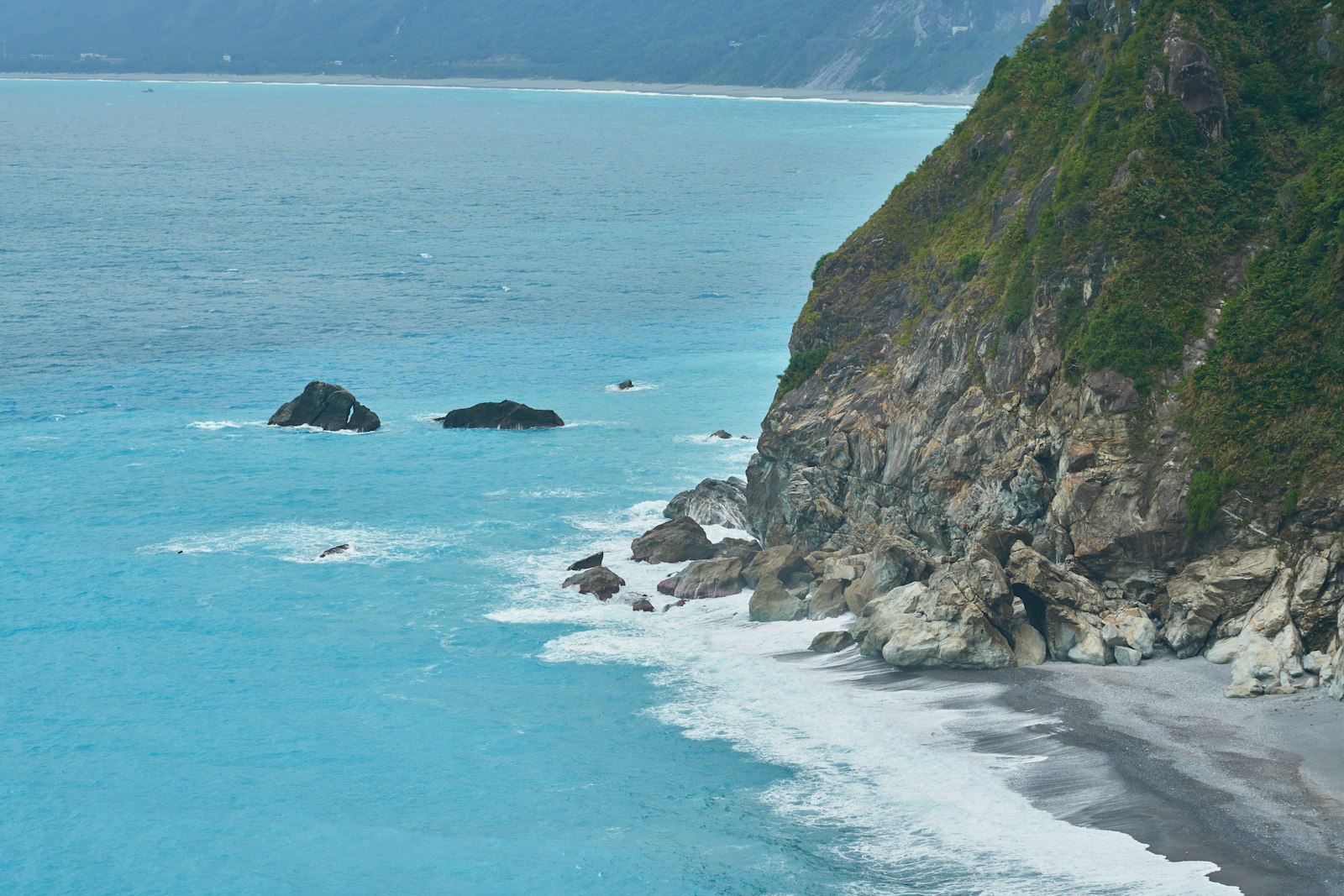
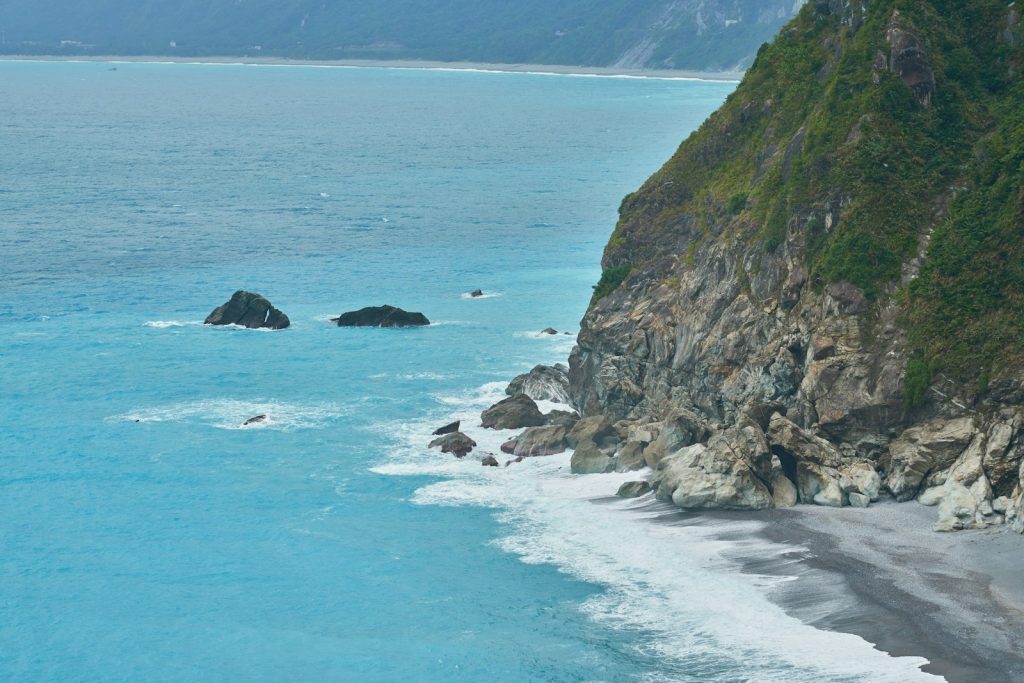
The best beaches Sumba luxury travelers care about are not lined with clubs or sun-loungers. They are remote crescents, tidal lagoons and surf-lashed coves where access, timing and safety matter more than facilities. This guide is our definition-first curation of Sumba’s signature coasts, and how to experience them intelligently.
We write this as Sumba specialists, not as a tour operator: our role is to explain what is realistically possible, which places suit swimming versus photography, and how much time and logistics each one demands. Sumba’s most photogenic spots are scattered across a large, sparsely serviced island. Driving times are long, reef-break shores can be hazardous, and “private beaches” are rarely private in a legal sense. Understanding that context is the foundation of a good stay.
Below, we focus on the anchor names most travelers hear first — Weekuri Lagoon, Walakiri Beach, Mandorak, Watu Maladong — then widen to patterns: reef versus lagoon, wild south coast versus gentler north and northwest, and what “hidden beaches” really means on Sumba. Throughout, we assume a high-end, hosted style of travel, where you have a trusted driver, local guide or villa staff who know the tides, the landowners and the etiquette.
Weekuri Lagoon: Sumba’s Saltwater Pool from Another Planet
Weekuri Lagoon Sumba is the island’s most recognisable coastal image: electric-turquoise saltwater, ringed by jagged fossil reef and low scrub, a short walk from the shore on the far west coast. It is one of the few places on Sumba where the water is usually calm enough for relaxed swimming.
What Weekuri Lagoon actually is
Weekuri is a natural saltwater lagoon set behind an ancient coral wall, connected to the ocean via subterranean fissures and small inlets rather than a wide, open channel. That geology gives it several useful characteristics:
- Calmer water than the open sea most days, with only a gentle surge under normal conditions.
- Variable depths: shallow ledges around the rim, with deeper sections (several metres) in the central basin.
- Crystal clarity on sunny days, which makes it highly photogenic from above and above water.
Access is via a short walk from a simple parking area along a low, rocky path. Facilities are basic: expect small local kiosks and rudimentary changing spots, not polished beach clubs. This is still rural Sumba.
Is Weekuri good for swimming?
In season, yes — with judgment. On calm days, Weekuri is one of the most pleasant swimming spots on the island, especially for those who are uneasy with surf. However:
- No lifeguards: you are responsible for your own assessment of comfort and risk.
- Rocky edges: many entry points are over sharp coral; reef shoes help, as does entering from the few smoother ledges local guides indicate.
- Occasional swell surges: during strong swell or high tide, you can feel the ocean’s energy moving through the lagoon; weak swimmers should stay on the shallower shelves.
We advise visiting with a driver or guide who knows the site, keeping to obvious entry and exit points, and avoiding alcohol around the water. If you are traveling with children, ask your accommodation or local host to advise based on current conditions.
Photography at Weekuri Lagoon
Weekuri rewards both wide and close framing. A few practical notes:
- Best light: late morning to early afternoon, when the sun is high enough to illuminate the lagoon’s colour. In overcast conditions, the water will appear flatter and less vivid.
- Drones: possible in principle, but we treat them as a privilege, not a right. Keep altitude modest, avoid flying over other visitors or local families, and ask your guide about current local sentiment before takeoff.
- Cliff edges: some viewpoints are on uneven limestone; wear closed shoes and avoid stepping too close to undercut rims for a photograph.
Weekuri pairs naturally with nearby Mandorak beach in a single west-coast excursion. From most west Sumba luxury stays, you should plan a half day at minimum; from the central or east of the island, it becomes a long, full-day drive.
Mandorak: A Dramatic Cove Beside Weekuri
Mandorak is not a long walking beach; it is a small, sculpted cove facing the open Indian Ocean, framed by white sand and high rock promontories. Many guests visit immediately before or after Weekuri because they sit within the same general coastal pocket.
What to expect at Mandorak
The main bay is relatively compact: a short curve of sand bookended by rocky headlands, with powerful surf crashing just offshore. You come to Mandorak for drama, not for easy bathing.
- Swimming: we treat Mandorak as a “no-swim” or “paddle only in the very shallows” beach for most travelers. There is often a heavy shorebreak, strong lateral currents and no supervision.
- Walking: the sand is soft; you can walk the cove, explore the rocks at low tide and, with care, step up to some elevated viewpoints.
- Wind and spray: the exposure is part of the experience; expect salt mist on lenses and a constant roar of surf.
Outside holiday peaks, you may find only a small scattering of local visitors. As always on Sumba, dress modestly off the sand (especially around parking or village areas), and ask before photographing people or homes.
Mandorak for photography and contemplation
Mandorak works well in early morning or late afternoon side light; low sun brings texture to the cliffs and captures the colour shift between shallow sands and deep ocean just beyond the breakers. It is also a good place to feel the rawness of Sumba’s west coast without committing to technical hikes.
If your priority is serene swimming and long wades, Mandorak is not the right target. If your ideal luxury afternoon involves standing on a windward cliff with very little human noise and watching sets detonate onto a reef line, this is where west Sumba begins to make sense.
Walakiri Beach: Sumba’s Most Famous Sunset Silhouette
Walakiri sits near Waingapu on the northeast coast and has become synonymous with the phrase “Walakiri Beach sunset” on social media. This is where twisted mangrove trees stand in tidal shallows, silhouetted against the evening sky.
Understanding Walakiri’s rhythm
Walakiri is a gently shelving, muddy-sand beach with broad tidal flats, a mangrove band and a line of simple warungs behind. It is very much a shared space for local families and domestic visitors, especially towards dusk.
- Best time: late afternoon into sunset, ideally aligning low tide with golden hour. The famous reflections and silhouettes require enough exposed flat to walk out among the trees.
- Swimming: not a prime swimming beach. The bottom is soft and sometimes silty, and the water stays shallow for a long distance. Children can splash, but it is more of a wading and photography environment.
- Atmosphere: expect a relaxed, social feel. On popular days there may be multiple small groups positioning for the same tree compositions.
Walakiri is one of the few Sumbanese beaches where you will see modest infrastructure: benches, food stalls, light music at times. It is accessible by car from Waingapu on a metric that feels “close” by Sumba standards.
Walakiri for photographers
To work with Walakiri’s mood rather than fight it:
- Arrive early: give yourself at least 60–90 minutes before sunset to scout and settle; the best angles go quickly as the light drops.
- Respect the mangroves: do not climb the trees or force branches into new shapes; they are living coastal protection, not props.
- People in frame: some of the strongest images include small, respectful human figures (often local children) within the landscape. Always ask permission, ideally via your guide, before focusing on individuals.
For a luxury trip, we see Walakiri as a complementary excursion: combine an inland or east Sumba day with an unhurried sunset stop here, then return to your villa or lodge for dinner. It is about atmosphere and the feeling of being on an outer edge of the archipelago, not about beach-club comfort.
Watu Maladong: The Wild South Coast in One Vantage Point
Watu Maladong sits on Sumba’s southern shore, facing the open Indian Ocean. This coast is shaped by long-period swells and largely unbroken reef lines; it is both visually powerful and physically demanding.
What you see at Watu Maladong
From the main viewpoint, you typically look down on tall offshore rock stacks and lines of heavy surf rolling in. The setting conveys scale: long sweeps of sand and cliff that run, more or less uninterrupted, far beyond what you can comfortably walk in a single outing.
- Swimming: we do not recommend entering the water here for casual visitors. Expect strong currents, sudden drop-offs and a lack of safe, patrolled zones.
- Walking: there are opportunities for careful hikes along bluffs and down to the beach, but surfaces can be uneven and steep. Local knowledge matters.
- Surf-watching: even without stepping onto the sand, simply watching the sets unload on distant reef is a core Sumba experience.
Who Watu Maladong suits
Watu Maladong and its neighbouring bays are ideal if you are drawn to “end of the road” landscapes and do not need amenities on-site. It works well in a west or southwest Sumba itinerary that emphasises wild coasts, photography and quiet villa time over active water sports.
This is not a place to send children to roam unattended or to improvise swims. Treat it as a scenic and contemplative stop, and coordinate with your driver or host for updated road conditions and any local access considerations.
Reef-Break Shores vs Calm Lagoons: Safety, Candour and Expectations
Understanding how Sumba’s coastline works is more important than chasing a specific pin on the map. The island is ringed by reef systems, with only a few genuinely protected bays and lagoons. That has direct implications for swimming safety and comfort.
Reef-dominated surf shores
Much of Sumba’s west, south and southwest coasts are classic reef-break environments: open-ocean swells travel long distances and unload on coral shelves relatively close to shore. For a luxury traveler, this means:
- Powerful shorebreak on otherwise idyllic-looking sandy stretches.
- Rip currents and lateral sweeps that are not always obvious from the beach.
- Shallow reef and rocks underfoot, especially at lower tides, which can turn a simple tumble into cuts.
These areas are superb for experienced surfers (with appropriate local guidance) and for those who like to watch waves; they are less suitable for casual sea-bathing unless you have very specific, up-to-date local advice.
Calmer lagoons and gentler bays
By contrast, a few zones offer relatively calmer water:
- Weekuri Lagoon: as above, often calm and pool-like, but still subject to ocean energy.
- Selected north and northwest bays: the north-facing aspect tends to moderate swell; some beaches in these areas allow more relaxed paddling and swimming on benign days.
- River mouths and estuaries: sometimes used by locals for washing and bathing, though they may not be visually “perfect” beaches.
Even in calmer zones, Sumba does not yet operate like a resort island with red-flag / green-flag systems or lifeguard towers. Your primary safety asset is a conservative mindset and a local host you trust.
Practical water-safety principles for Sumba
- Assume no professional supervision unless explicitly arranged.
- Ask your host daily: “Where is safe to swim today, and at what time?”
- Keep alcohol and open-ocean swimming separated.
- For children: prioritise pools and known lagoons over open beaches.
A significant part of our role at Sumba Private is to match your comfort level and group profile (strong swimmers, children, older travelers) with the right combination of coastal experiences and inland days, rather than promising “swimmable beaches everywhere”.
Hidden Beaches, Sumba Private: Access, Ethics and Reality
The phrase “hidden beaches Sumba private” circulates freely online, often without context. Sumba does have long, very quiet stretches of sand, and some high-end stays with direct beachfront access. None of that makes them private property in the absolute sense, and local land and sea use rights are complex.
What “secret” and “private” really mean here
On Sumba, a “secret” beach is usually one or more of the following:
- Remote: reached via long, sometimes rough tracks that deter casual visitors.
- Lightly used: important to local communities for fishing or seaweed gathering, but without dense crowds.
- Physically screened: bays that are not visible from the main road, giving a feeling of seclusion once you arrive.
Some private villas and lodges sit on headlands or bluffs overlooking such beaches, with direct paths down to “their” section of sand. Practically, you may rarely see anyone else there. Legally and ethically, that does not mean you own the shore.
Access, permissions and local relationships
Many of Sumba’s quieter beaches are accessed via village roads or across community or clan land. Good practice includes:
- Arranging access via your accommodation, driver or guide, who can manage introductions, small parking fees or customary tokens.
- Being prepared for simple gate or road fees in some areas, especially around better-known viewpoints.
- Leaving no trash, avoiding loud music and dressing modestly on the approach and departure.
We do not publish exhaustive coordinates for every quiet bay we know. That is part of respecting local agency and avoiding sudden pressure on fragile zones. Instead, we curate a short list of beaches and viewpoints that align with your itinerary, and then we connect you with vetted on-the-ground partners to host you there.
No one can pay to change what we publish; if you proceed with our partner they may pay us a referral fee at no extra cost to you. Our editorial line is simple: if a route or site feels overcrowded or compromised, we will say so and suggest alternatives.
Photography and cultural respect on secluded coasts
Many of the quietest beaches sit near villages that retain strong Sumbanese traditions and ceremonial cycles. You may encounter:
- Burial sites or megalithic stone structures inland from the shore.
- Animal herds being moved along coastal tracks.
- Occasional rituals or gatherings that are not for visitors.
Ask your hosts about current events; during sensitive times, some communities prefer reduced outside presence. Never drone over ceremonies or homes, and always ask before photographing people, even at a distance, if you will feature them prominently in frame.
Best Season for Beach and Lagoon Time in Sumba
Sumba has a marked seasonal pattern. For beach-focused trips, the broad rule is that the dry season from roughly April to October usually offers the most pleasant mix of sun, lower humidity and more predictable access.
Dry season (approximately April–October)
- Weather: generally drier skies, less frequent heavy rain; good for road conditions and photography.
- Sea conditions: consistent Indian Ocean swells on west and south coasts; lagoons like Weekuri see high clarity on sunny days.
- Comfort: more comfortable for long drives, coastal walks and cliff viewpoints.
Within this window, shoulder months can be particularly appealing if you prefer fewer visitors, though Sumba is far from crowded by broader Indonesian standards.
Wet season (approximately November–March)
- Rain: heavier showers, sometimes intense, can make some unpaved tracks muddy or temporarily challenging.
- Cloud cover: more overcast days, which can soften the colours of lagoons and sunsets but also reduce harsh midday light.
- Flexibility: itineraries may need more slack; your host may switch the order of visits based on local weather and river levels.
We do not guarantee specific weather or wave conditions in any month. Instead, we map your priorities (sunset photography, long hikes, quiet villa time, cultural visits) onto seasonal norms and then build enough flexibility into each day to adapt.
How the Coasts Differ: West vs East vs South
Not all coasts on Sumba feel the same. For luxury travelers planning a multi-night stay, it helps to choose your base — or sequence of bases — with intent.
- West & Southwest Coast
- Wave-dominated, dramatic beaches, some of the most photogenic coves and lagoons (including Weekuri and Mandorak). Longer drives between points; ideal for guests who appreciate wild scenery and surf energy.
- South Coast
- Exposed to the full force of the Indian Ocean, with long, often empty strands and powerful reef breaks. Excellent for surf-watching and photography; limited safe swimming zones.
- North & Northeast (including around Waingapu)
- Gentler coastal profile in places, tidal flats, estuaries and spots like Walakiri. More local life visible, slightly easier logistics, especially for shorter stays or those arriving/departing via Waingapu.
We have written a dedicated comparison of coastal regions and who they suit in our guide to West vs East Sumba. For stays where the beach is the main anchor, a west or southwest base usually makes the most sense; for more culture-forward and landscape-varied trips, combining coasts is powerful.
Choosing the Right Beach Experiences for Your Trip Style
Because Sumba is large and drives are slow, we suggest anchoring your coastal ambitions around your primary trip style rather than attempting to “collect” every name on a list.
For relaxed coastal luxury and villa time
If your priority is to walk directly from your room or villa to sand, swim in a curated environment and return to comfort, then:
- Consider a stay at a beachfront villa or lodge with established beach access and a pool.
- Use Weekuri, Mandorak and selected west-coast coves as occasional excursions, not daily missions.
- Focus on one region rather than criss-crossing the island.
For photographers and visual storytellers
If your camera or sketchbook is the organising principle, Sumba’s coasts reward a more deliberate approach:
- Plan a photography-forward itinerary that sequences Walakiri, Weekuri, south-coast cliffs and inland megalithic sites with tide and sun angles in mind.
- Allow spare days to repeat key locations in different light or conditions.
- Travel with hosts used to working with photographers; they understand the value of waiting an extra 40 minutes for a cloud bank to clear.
For surf observers and ocean-energy seekers
If you enjoy watching serious waves but are not necessarily surfing yourself:
- Base on the west or south coasts, near known reef systems, and use local knowledge for the best viewpoints.
- Consider combining surf-watching days with cultural or inland days to balance physical exposure to wind and sun.
- Read our focused note on Occy’s Left and neighbouring breaks to understand how surf and shoreline interact in that area.
For families
Families can enjoy Sumba’s beaches, but setups matter. We generally advise:
- Choosing accommodation with a good pool as the daily water anchor.
- Treating Weekuri Lagoon and selected north-coast bays as special outings, not daily open-ocean swim spots.
- Scheduling long coastal drives earlier in the day, returning to base by late afternoon.
If you would like us to map these options to your group’s age range, swim comfort and time frame, you can plan your trip with us; we are comfortable coordinating via email or WhatsApp, depending on your preference.
Typical Costs and Logistics for Coastal Days
Costs on Sumba vary by season, group size and the level of privacy and service you request. The figures below are indicative ranges for private, hosted arrangements, last verified June 2026; use them as a planning framework, not as fixed quotes.
| Experience | What it typically includes | Indicative range (USD, per day) |
|---|---|---|
| Half-day Weekuri & Mandorak from west-coast base | Private vehicle and driver, local guide, basic entry/parking fees | Approx. 120–250 |
| Full-day coastal circuit (multiple beaches & viewpoints) | Private vehicle, guide, picnic-style lunch, flexible timing | Approx. 220–450 |
| Sunset visit to Walakiri from Waingapu area | Return transport, simple guiding, light snacks | Approx. 70–180 |
| Private host for photography-focused coastal day | Senior guide with photography awareness, bespoke timing | Approx. 250–500 |
Fuel, road conditions and the level of vehicle comfort (standard MPV versus high-end 4×4) affect the final number. Some villa and lodge stays include certain excursions in their nightly rates; others treat them as à la carte add-ons. We flag these distinctions clearly when designing an itinerary.
For more integrated planning — pairing coastal days with inland rituals, equestrian experiences or simply unhurried villa time — our sample luxury itineraries show how beaches and lagoons often sit as accents rather than daily obligations.
How Sumba Private Helps You Use This Guide
Our role is twofold. First, we publish neutral, logistics-grounded editorial so you can understand Sumba’s coasts in context: which places actually align with your priorities, and what they demand. Second, if you wish, we introduce you to vetted on-the-ground partners — accommodations, drivers, guides — who can execute the trip at the standard you expect.
We are not a tour operator or agency. No one can pay to change what we publish; if you proceed with our partner they may pay us a referral fee at no extra cost to you. Our loyalty is to the integrity of your experience and to Sumba’s communities and landscapes.
If you would like our help translating this beach and lagoon overview into a concrete stay — choosing the right coast, allocating days intelligently, and matching you with discreet, competent local hosts — you can plan your trip with us. We are accustomed to structuring initial ideas over WhatsApp voice or text for convenience, then refining via email as needed.
FAQs: Sumba’s Beaches and Lagoons
Is Sumba a good destination for classic beach holidays?
Sumba is excellent if you value wild, uncrowded coasts and are happy with limited infrastructure; it is less suitable if you expect multiple swimmable, lifeguarded beaches with sunbeds and cafés on demand. For most luxury travelers, a pool-forward stay with curated coastal excursions works better than a pure “beach resort” mindset.
Can I swim safely at Sumba’s beaches?
You can usually swim comfortably in selected lagoons and gentler bays, especially in the dry season and with local guidance. Many open-ocean beaches on the west and south coasts are better treated as surf-watching and walking locations due to strong currents and shorebreak. Always ask your host for current, site-specific advice.
How many days should I allocate for beaches and lagoons on Sumba?
On a week-long trip, most guests enjoy two to four dedicated coastal days, interspersed with inland cultural visits and villa time. This balances long drives, variable weather and the physical exposure of being on open coasts. Trying to chase a different beach every day usually leads to fatigue rather than deeper appreciation.
Do I need a 4×4 to reach Sumba’s best beaches and lagoons?
Many headline spots like Weekuri Lagoon and Walakiri can be reached in a standard vehicle, though a well-maintained 4×4 increases comfort and resilience on rougher segments. For more remote coves and south-coast viewpoints, higher-clearance vehicles are strongly preferred. In all cases, traveling with a local driver is more important than the exact model of car.
Are there truly private beaches on Sumba?
Some villas and lodges front beaches that feel private in practice due to remoteness and limited access points, but coastal areas remain part of broader community landscapes. Local fishers, herders or walkers may pass through. We avoid promising absolute exclusivity; instead, we help you find places where seclusion, access ethics and comfort are in a healthy balance.