Renting a Car vs Hiring a Private Driver in Sumba
Deciding between a sumba rental car vs private driver? For most Sumba visitors, a private driver offers unparalleled local insight and navigational ease ov
10 min read
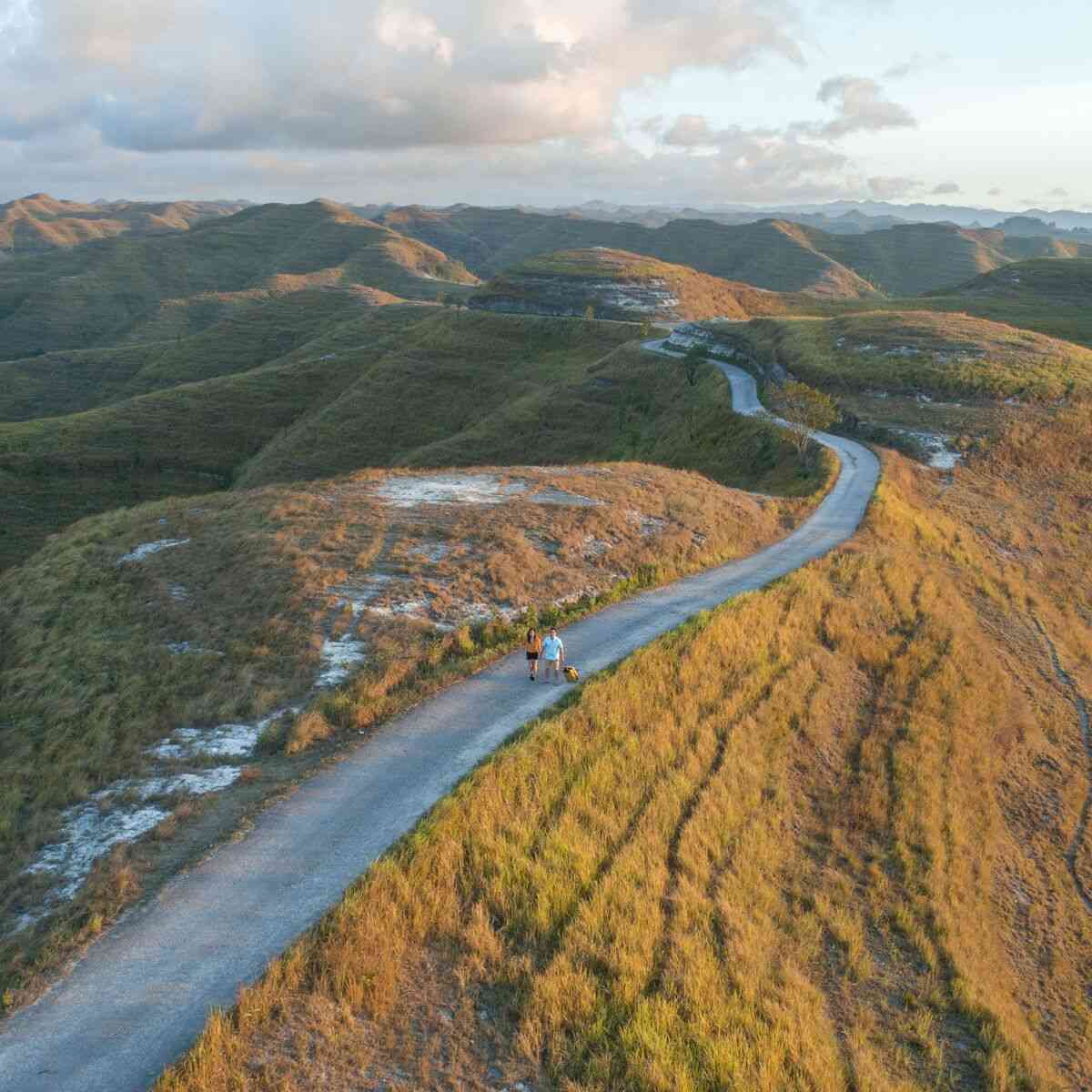
For visitors to Sumba, the decision between securing a sumba rental car vs private driver is a primary logistical consideration. While the prospect of independent exploration via a self drive Sumba experience holds appeal, our observation suggests that for the majority of travelers, engaging a local private driver offers a significantly more fluid and enriching journey across the island.
Sumba’s distinctive terrain, cultural nuances, and often challenging road infrastructure present specific considerations that a knowledgeable local driver is uniquely equipped to navigate. This guide elucidates the practicalities of both options, providing the clarity necessary to make an informed choice for your visit.
The Case for a Private Driver in Sumba
Engaging a private driver in Sumba extends far beyond mere transportation; it is an investment in local expertise, cultural facilitation, and a considerably reduced logistical burden. For those seeking an immersive and stress-free exploration of the island, this option frequently proves superior.
Local Knowledge and Navigation
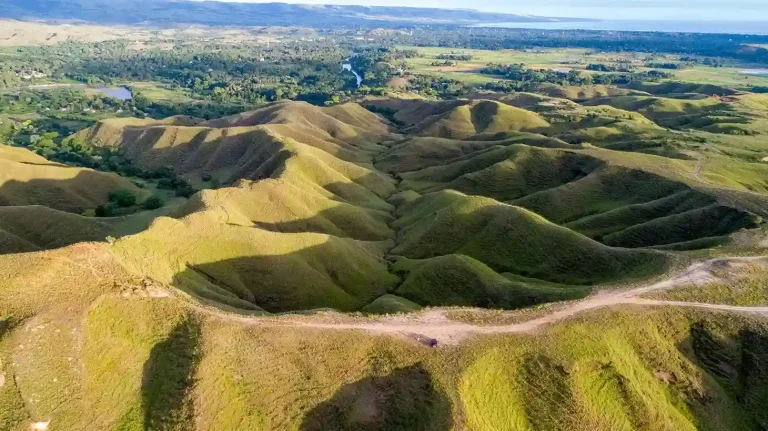
Sumba’s landscape, while captivating, can be deceptively complex for an uninitiated visitor. Signage, particularly outside of the two main airports and larger towns such like Waikabubak or Waingapu, is often minimal or non-existent. Routes to many of Sumba’s most compelling natural sites—waterfalls, secluded beaches, or remote traditional villages—involve unmarked turnoffs, unpaved tracks, and winding paths that are not consistently mapped on conventional navigation applications.
A local driver possesses an inherent, intimate understanding of these routes. They know the current condition of the roads, anticipate potential obstacles, and understand shortcuts or alternative paths. This local geographical intelligence ensures efficient travel, minimizing time lost to getting disoriented and maximizing time spent at your desired destinations. Furthermore, drivers are often aware of temporary closures or local events that might impact travel, allowing for proactive adjustments to your itinerary.
Cultural Facilitation and Village Access
Sumba is an island rich in ancient traditions, vibrant ceremonies, and a strong sense of community. Visiting traditional villages, such as those in West Sumba like Praijing or Ratenggaro, requires a deep understanding of local customs and etiquette. Approaching a village respectfully, seeking permission to enter, and engaging with elders is paramount.
A local driver often acts as an invaluable cultural intermediary. They typically speak Bahasa Indonesia and frequently a local Sumbanese dialect, bridging potential language barriers. Beyond translation, they understand the subtle social cues, the appropriate protocol for presenting a small gift (known as a pinang or sirih) to the village head, and the nuances of respectful interaction. This facilitation is not merely a convenience; it is essential for authentic and respectful engagement with Sumbanese communities, ensuring that your presence is welcomed and your experience is genuine. Without such guidance, visitors risk inadvertently causing offense or missing opportunities for meaningful cultural exchange.
Reduced Stress and Enhanced Enjoyment
The act of driving in an unfamiliar environment, particularly one with varied road conditions and navigational challenges, can be a source of significant stress. Opting for a private driver frees you from the responsibilities of navigation, managing local traffic, and the constant vigilance required on Sumba’s roads.
This liberation allows you to fully immerse yourself in the journey. You can observe the passing landscape, engage in conversations, review your itinerary, or simply relax. The focus shifts from the mechanics of getting around Sumba transport to the experience itself. After a long day of exploration, knowing you can simply sit back and be safely transported back to your accommodation is a considerable advantage.
Vehicle Suitability and Maintenance
Local drivers typically operate vehicles well-suited for Sumba’s diverse road network. Often, these are robust 4x4s or sturdy multi-purpose vehicles (MPVs) that can handle both paved main roads and the more challenging unpaved tracks leading to remote sites. These vehicles are generally maintained by the drivers themselves, who are adept at minor repairs or troubleshooting in remote areas where professional assistance might be hours away.
When you rent a car, you assume full responsibility for its condition and any breakdowns, which can be particularly problematic in areas with limited mobile signal and roadside services. With a private driver, the responsibility for the vehicle’s integrity and safe operation rests with them.
The Case (and Limits) of Self-Drive Sumba
While less frequently recommended for first-time visitors or those unfamiliar with Indonesian driving conditions, a self drive Sumba experience can be appealing to a specific type of traveler. This option offers a degree of spontaneous flexibility and privacy that a curated driver service might not, but it comes with distinct practical limitations.
When Self-Drive Might Be Considered
- Experienced Adventurers: Travelers with extensive experience driving in developing countries, particularly in Southeast Asia, may find Sumba’s challenges less daunting.
- Specific, Limited Itineraries: If your plan involves staying primarily in one developed area with well-maintained roads and minimal off-the-beaten-path excursions, self-drive could offer convenience for short distances. For instance, exploring the immediate surroundings of Tambolaka airport or a specific resort area without venturing far.
- Privacy Preference: For those who prioritize absolute privacy and complete control over their schedule, even at the cost of potential logistical hurdles, self-drive presents that autonomy.
- Budget (Perception): While perceived as potentially cheaper, the true cost-effectiveness of self-drive must factor in fuel, potential insurance deductibles, and the opportunity cost of time spent navigating or dealing with breakdowns.
Practical Limits and Challenges of Self-Drive
- Navigation: As previously noted, the scarcity of clear signage and the unreliability of online maps for rural Sumba are significant barriers. Many roads to points of interest are little more than dirt tracks.
- Road Conditions: While main arteries connecting the two airports—Tambolaka (TMC) and Umbu Mehang Kunda (WGP) near Waingapu—are generally paved, travel to many villages, beaches, and waterfalls often involves unpaved, corrugated, or narrow roads. These can become challenging, especially during the wet season, with potential for mud, potholes, and even minor landslides.
- Local Driving Practices: Driving in Indonesia requires adapting to local habits, which can include overtakes in unexpected places, shared roads with livestock, and varying adherence to traffic rules.
- Fuel Availability: While fuel stations exist in major towns, they become sparse in rural areas. Misjudging fuel needs can lead to significant delays.
- Vehicle Condition: Rental vehicles may not always be optimally maintained for Sumba’s conditions. Breakdowns in remote areas can be time-consuming and costly to resolve, especially without local language skills.
- Cultural Sensitivity: Without a local guide, navigating village protocols can be difficult, potentially leading to misunderstandings or missed opportunities for genuine cultural exchange.
Road Realities: Getting Around Sumba Transport
Understanding the actual conditions of Sumba’s road network is crucial for appreciating the advantages of a private driver versus the challenges of self drive Sumba.
Sumba, despite its growing appeal, remains a developing island. The primary overland route connecting the two ends of the island—from Tambolaka in West Sumba to Waingapu in East Sumba—is approximately 200-220 kilometers and typically takes 3 to 3.5 hours to traverse by car. This duration is not indicative of high speeds but rather reflects the winding nature of the roads, varied surfaces, and the need for careful driving.
Road Infrastructure and Conditions
- Main Arteries: The main roads connecting Tambolaka, Waikabubak, and Waingapu are generally paved and in reasonable condition. These form the backbone of the island’s transport network.
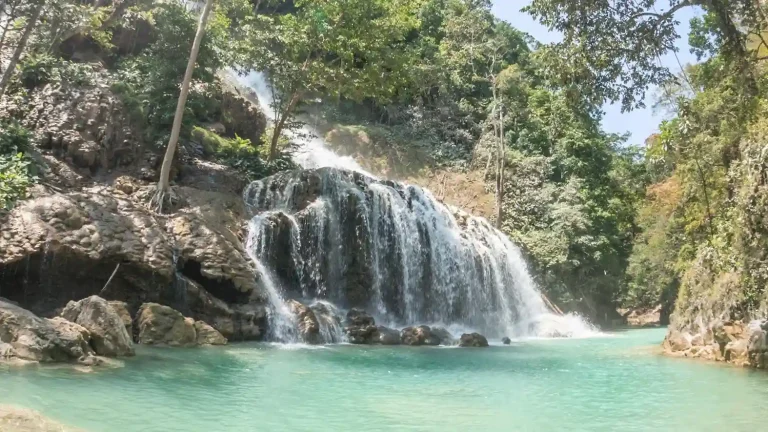
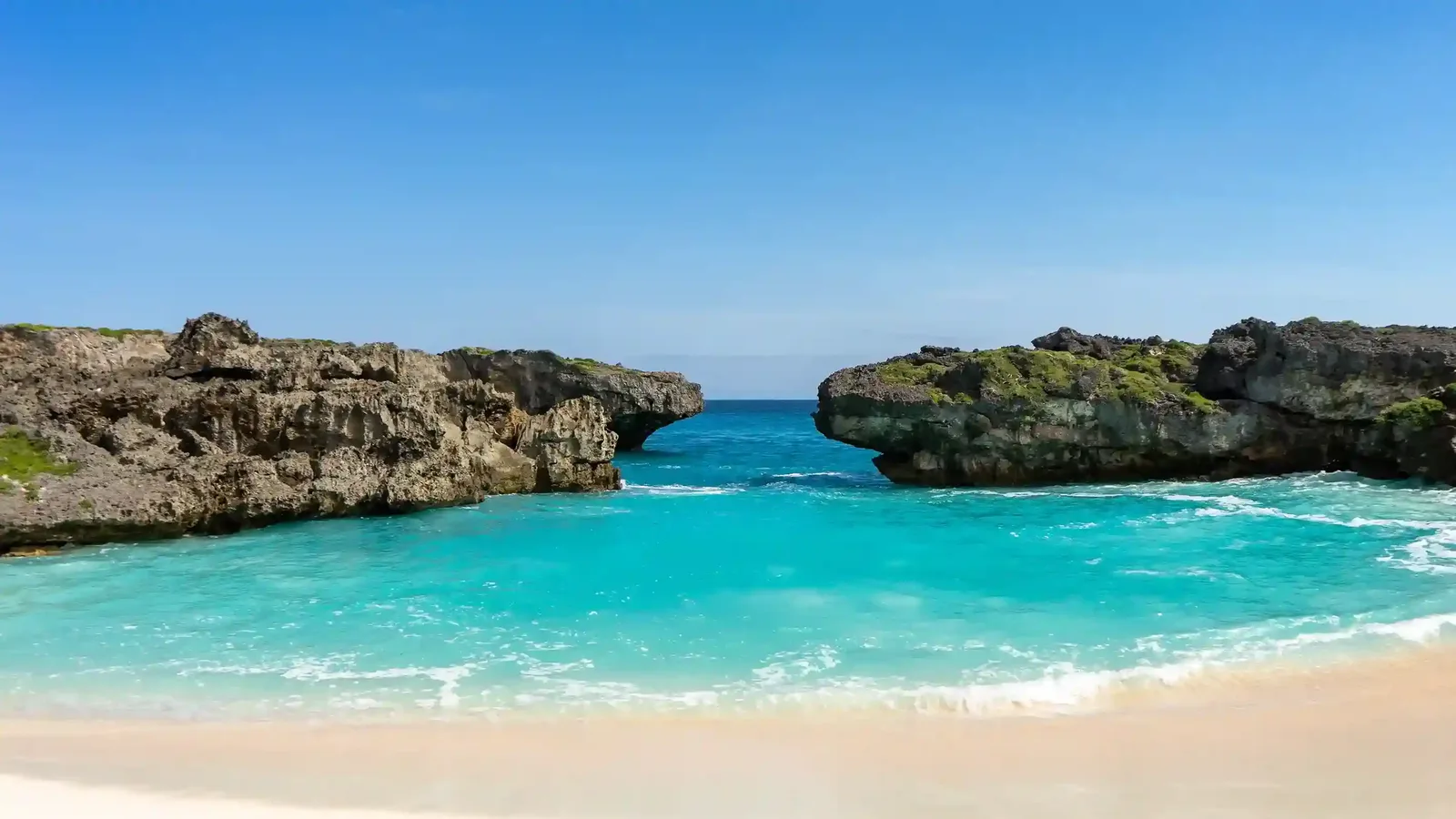
- Rural and Village Access Roads: Venturing off these main arteries is where the challenge begins. Roads to many sought-after destinations, including traditional villages, remote beaches like Mandorak or Weekuri Lagoon, and natural attractions like Lapopu Waterfall, are often unpaved. They can be narrow, rocky, dusty in the dry season, and muddy and slippery in the wet season. These roads frequently involve steep inclines and declines, sharp turns, and river crossings (seasonal).
- Signage: As mentioned, clear and consistent signage is limited, particularly once you leave the vicinity of major towns. This means relying on local knowledge or GPS, which can be unreliable in areas with poor cellular signal.
- Shared Roads: It is common to encounter livestock—cows, horses, goats—roaming freely on roads, especially in rural areas. This necessitates constant vigilance and careful driving. Children also often play near or on the roads.
Logistical Points
- Two Airports: Sumba is served by two main airports: Tambolaka Airport (TMC) in West Sumba and Umbu Mehang Kunda Airport (WGP) near Waingapu in East Sumba. Your starting and ending points will significantly influence your travel planning.
- Distances: The island is larger than many visitors anticipate. Distances between points of interest can be considerable, making efficient travel planning essential. For example, traveling from a resort in Southwest Sumba to a traditional village in East Sumba can easily consume half a day or more.
- Limited Services: Outside of major towns, roadside assistance, mechanics, and even basic amenities are scarce. This amplifies the risk associated with a self drive Sumba excursion.
Cost Framing: Understanding the Investment
When evaluating the sumba rental car vs private driver options, it is important to consider not just the headline price, but the holistic value and potential hidden costs. We do not provide specific company names or fixed rates, as these fluctuate. However, we can offer a framework for understanding the cost implications.
Private Driver Costs
A private driver service in Sumba typically includes the vehicle, the driver’s fee, and often fuel. Some services may also include the driver’s meals and accommodation on multi-day trips.
- Daily Rate: Prices vary based on the type of vehicle, the length of the day (e.g., 8-10 hours), and the specific itinerary (e.g., extensive off-road travel might incur a higher rate).
- Last verified June 2026, daily rates for a private driver and vehicle typically range from IDR 750,000 to IDR 1,200,000. This range often accommodates a standard MPV or 4×4.
- Inclusions: Confirm what is included: fuel, driver’s meals, tolls (if any), and overtime charges.
- Value Proposition: While seemingly higher upfront, this cost covers not just transport but also navigation, cultural facilitation, vehicle maintenance, and stress reduction.
Self-Drive Rental Costs
Renting a car for self drive Sumba involves several components:
- Daily Rental Fee: This covers the vehicle itself.
- Last verified June 2026, basic car rental rates (without driver) often range from IDR 350,000 to IDR 600,000 per day for a standard vehicle. More robust 4x4s would be at the higher end or above this range.
- Fuel: You are responsible for all fuel costs.
- Insurance: Understand the insurance coverage provided and any deductible. Consider additional travel insurance for personal liability.
- Hidden Costs: Potential costs include:
- Damages: Any scrapes, dents, or mechanical issues incurred will be your responsibility.
- Breakdowns: Costs for towing or repairs in remote areas can be substantial.
- Time Loss: The time spent navigating, getting lost, or dealing with vehicle issues is an opportunity cost to your travel experience.
- Fines: Traffic violations are your liability.
- Cultural Omissions: The lack of a local guide can lead to missed cultural experiences or unintentional breaches of etiquette, which, while not a monetary cost, represent a significant loss in travel value.
Comparative Summary: Sumba Rental Car vs Private Driver
- Navigation & Local Expertise
- Private Driver: Superior. Intimate knowledge of roads, shortcuts, and current conditions. Acts as cultural intermediary.
- Self-Drive: Challenging. Limited signage, unreliable GPS in rural areas, high risk of getting lost.
- Cultural Access & Etiquette
- Private Driver: Essential for respectful village visits. Facilitates communication and understanding of local customs.
- Self-Drive: Difficult without prior knowledge or language skills. Risk of misunderstanding or inadvertently causing offense.Vehicle Suitability & Maintenance
- Private Driver: Vehicles generally well-suited for Sumba’s roads, responsibility for maintenance lies with the driver.
- Self-Drive: Rental vehicles may vary; full responsibility for breakdowns and damages falls on the renter.
- Travel Stress & Enjoyment
- Private Driver: Significantly reduced stress, allows for full immersion in the landscape and culture.
- Self-Drive: High stress potential due to navigation, road conditions, and local driving habits.
- Cost Implications (Holistic)
- Private Driver: Higher upfront daily rate, but covers expertise, fuel, and reduces hidden costs/risks.
- Self-Drive: Lower upfront rental rate, but additional costs for fuel, potential damages, and significant opportunity cost of time/stress.
Considering these factors, for most visitors seeking to truly experience Sumba without logistical encumbrances, the private driver option represents a more prudent and ultimately more rewarding choice. It transforms what could be a source of stress into a seamless and culturally rich journey.
To ensure your Sumba journey is as smooth and enriching as possible, we curate a network of vetted, experienced local drivers who not only excel at navigation but also understand the nuances of Sumbanese culture. Our partners are selected for their reliability, vehicle quality, and ability to enhance your travel experience. We do not operate tours; rather, we provide introductions to trusted local professionals. If you proceed with our partner they may pay us a referral fee at no extra cost to you.
To begin planning your seamless Sumba adventure and to discuss arranging a vetted driver-guide for your trip, please plan your trip with us. We are also available for WhatsApp planning for your convenience.
Frequently Asked Questions
Do you need a driver in Sumba?
For most visitors, especially those aiming to explore beyond major towns and experience Sumba’s unique culture and natural beauty, a private driver is highly recommended. The island’s limited signage, varied road conditions, and the importance of local cultural etiquette make a knowledgeable local driver an invaluable asset for a smooth and enriching journey.
Is it safe to self drive in Sumba?
While Sumba is generally a safe destination, self-driving presents challenges related to navigation, road conditions (many unpaved or poorly maintained), and local driving practices. Without familiarity with these conditions, the risk of getting lost or encountering vehicle issues in remote areas is elevated, potentially impacting safety and significantly increasing stress.
What are the main challenges of getting around Sumba transport?
The primary challenges for getting around Sumba transport include limited and often absent road signage, particularly in rural areas; highly variable road conditions ranging from paved main roads to rough, unpaved tracks; significant distances between points of interest (e.g., Tambolaka to Waingapu takes 3-3.5 hours overland); and the scarcity of fuel stations and roadside assistance outside of major towns. Cultural navigation for village visits also requires local understanding.
How do I arrange a private driver in Sumba?
You can arrange a private driver through reputable accommodation providers, or by utilizing independent curation services like Sumba Private, which connects you with vetted local drivers. It’s advisable to book in advance, especially during peak travel seasons, and to clarify what is included in the daily rate (e.g., fuel, driver meals) before confirming.
Can I rent a motorbike for getting around Sumba?
While motorbike rentals are available in some towns, they are generally not recommended for extensive travel across Sumba due to the long distances, variable and often challenging road conditions, and the lack of comprehensive safety infrastructure. Motorbikes are best suited for short, localized trips on well-known roads if you are an experienced rider comfortable with the local environment.
At Sumba Private, our commitment is to provide clear, actionable intelligence for your journey. We understand the intricacies of travel to this remarkable island and strive to ensure your experience is as authentic and seamless as possible. Should you wish to discuss your specific itinerary and determine the best transport solution, including connecting with one of our vetted driver-guides, please plan your trip with us. We are also available for WhatsApp planning, offering direct and helpful guidance.