ATMs and Cash in Sumba: How to Handle Money
Plan your Sumba trip: understand sumba atms and cash, card acceptance, how much rupiah to carry, and essential Sumba banking tips for a smooth journey.
14 min read
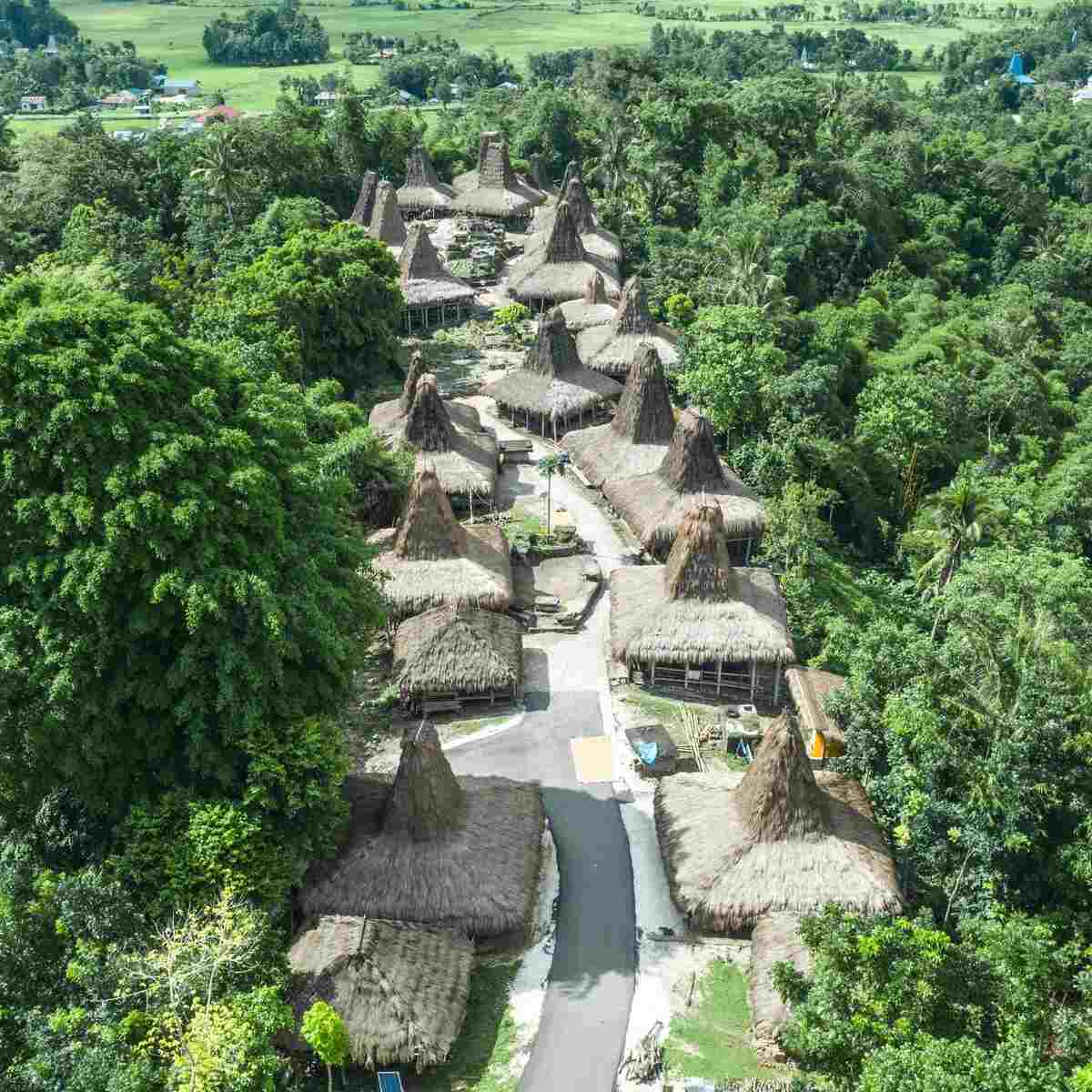
Navigating financial transactions in Sumba requires a specific understanding of local practices, particularly concerning sumba atms and cash. While modern conveniences are present, Sumba remains largely a cash-based economy outside of major resorts and the island’s main towns. We advise carrying a sufficient amount of Indonesian Rupiah for daily expenses, as reliance on credit or debit cards will be limited in rural areas and with smaller vendors.
Our guidance here is designed to equip you with the practical knowledge needed to handle money in Sumba effectively, ensuring your focus remains on the island’s profound cultural and natural experiences rather than logistical frustrations. From knowing where to find reliable ATMs to understanding local customs around payments and donations, this comprehensive guide offers the clarity you need for a seamless journey.
Sumba’s Financial Landscape: Cash is King Beyond the Resorts
The financial infrastructure of Sumba differs significantly from more developed tourist destinations. While the island is slowly modernizing, a substantial portion of daily commerce, particularly in villages and local markets, operates exclusively on cash. This reality shapes how visitors must approach their financial planning.
Where ATMs and Card Acceptance Are Found
For those seeking to withdraw cash or make card payments, the primary hubs are the most reliable. These include:
- Waingapu (East Sumba): As the largest town and administrative center of East Sumba, Waingapu offers the most banking facilities. Here, you will find several ATMs from major Indonesian banks (such as Mandiri, BRI, BNI, BCA) that typically accept international cards. Larger hotels and a select few restaurants in Waingapu may also process card payments.
- Waikabubak (West Sumba): Similar to Waingapu, Waikabubak serves as a key urban center in West Sumba, providing access to ATMs and limited card acceptance at larger establishments.
- Tambolaka Area (Southwest Sumba): Given its proximity to Tambolaka Airport (TMC), this area also hosts a few ATMs, often located near the airport itself or in the small town center. Some guesthouses and larger local eateries might accept cards.
- Major Resorts: High-end, privately managed resorts across Sumba generally accept major credit and debit cards (Visa, Mastercard) for accommodation, dining, and activities. It is always prudent to confirm their specific payment policies in advance of your stay.
While ATMs are available in these locations, it is important to note their reliability can vary. They may occasionally be out of service, run out of cash, or experience connectivity issues. We recommend withdrawing a substantial amount of rupiah when you have the opportunity in these towns, rather than waiting until you are entirely out.
Areas Where Cash is Essential
Outside of the aforementioned town centers and major resorts, cash becomes the default, and often the only, method of payment.
- Rural Villages: When visiting traditional villages, whether for cultural immersion or to witness artisanal crafts, cash is indispensable. Donations to village elders, payments for local guides, and purchases of hand-woven
ikattextiles or other handicrafts are universally transacted in rupiah. - Local Markets (Pasar): Sumba’s vibrant markets, such as the Pasars in Waingapu or Waikabubak, are exclusively cash-only. This is where you will purchase fresh produce, local snacks, and everyday items.
- Small Warungs and Eateries: The numerous small, family-run
warungs(local eateries) that offer authentic Sumbanese cuisine operate solely on cash. - Local Transport: Payments for
ojeks(motorcycle taxis),bemos(minibuses), or private car hires with local drivers are almost always cash transactions. - Entrance Fees: Many natural attractions, such as waterfalls or certain beaches, and cultural sites may have small entrance or parking fees, which are collected in cash.
To illustrate the distinction, consider the following:
- Cash-Only Scenarios
-
- Village donations & cultural visits
- Local market purchases (food, crafts)
- Small `warung` meals & snacks
- `Ojek` or `bemo` transport
- Rural guesthouses & homestays
- Entrance fees to non-resort attractions
- Purchasing `ikat` directly from weavers
- Card-Accepting Scenarios (Limited)
-
- Major international-standard resorts
- Larger hotels in Waingapu/Waikabubak
- Select modern restaurants in main towns
- Car rental agencies (often require pre-payment online)
This distinction underscores the importance of thoughtful financial planning before venturing into Sumba’s less developed regions.
How Much Cash to Carry in Sumba and Safe Handling Practices
Determining the right amount of cash to carry involves balancing convenience with security. Over-carrying can present a risk, while under-carrying can lead to frustrating situations in areas without ATMs.
Estimating Your Daily Cash Needs
Your daily cash requirements will vary significantly based on your itinerary and spending habits. As a general guideline, for days spent primarily exploring rural areas, visiting villages, and dining at local establishments, we recommend budgeting approximately IDR 500,000 to IDR 1,500,000 per person per day. This range, last verified June 2026, accounts for:
- Meals: IDR 50,000 – 150,000 per meal at local
warungs. - Transport: IDR 100,000 – 500,000+ for local car hire for a day, or smaller amounts for
ojeks. - Village Donations: IDR 50,000 – 200,000 per village visit (see section below for more detail).
- Souvenirs/Crafts: Highly variable, but anticipate expenses if you plan to purchase
ikator other local products. - Miscellaneous: Small snacks, drinks, entrance fees.
If your itinerary includes staying at a major resort where most expenses can be charged to your room, your daily cash needs will be lower, primarily for excursions outside the resort grounds. When planning to move between the eastern and western sides of the island, ensure you have sufficient cash to cover several days, as ATM access can be sparse along the connecting routes.
Security Best Practices for Carrying Rupiah
While Sumba is generally a safe destination, it is always wise to practice discretion and vigilance when handling money in Sumba.
- Divide and Conquer: Do not carry all your cash in one place. Distribute it across different secure locations: a small amount in your wallet for immediate use, the rest in a money belt, an internal pocket of your daypack, or safely secured within your accommodation.
- Be Discreet: When making payments or withdrawing from an ATM, be mindful of your surroundings. Avoid openly displaying large wads of cash.
- ATM Usage: Use ATMs located inside banks or in well-lit, busy areas during daylight hours. Check the machine for any signs of tampering before inserting your card. Always cover the keypad when entering your PIN.
- Keep Small Denominations: While ATMs dispense larger notes (IDR 50,000 and IDR 100,000), having smaller denominations (IDR 10,000, IDR 20,000) is incredibly useful for small purchases, market transactions, and donations, as change can sometimes be an issue for vendors. You can often break larger notes at larger shops or by purchasing something at a convenience store in the main towns.
- Emergency Funds: Consider carrying a small amount of emergency cash in a separate, very secure location, perhaps in a different currency like USD, which can be exchanged in the main towns if absolutely necessary (though at less favorable rates).
Understanding Tipping, Donations, and Local Exchange in Sumba
Navigating local customs around payments extends beyond simple transactions. Sumba has a distinct culture of hospitality and community, which influences how visitors should approach gratuities and contributions.
Etiquette for Village Donations
Visiting a traditional village in Sumba is a privilege, offering a profound insight into a living culture. It is customary and respectful to offer a donation, often referred to as uang rokok (cigarette money) or simply a token of appreciation, to the village elder (Rato or Kepala Desa) upon arrival or departure.
- Purpose: These donations contribute to the general upkeep of the village, support communal activities, or are used for shared resources. They are not a fee for entry but a gesture of respect and goodwill.
- Amount: The amount is discretionary, but a range of IDR 50,000 to IDR 200,000 per group, last verified June 2026, is generally considered appropriate. For a more in-depth understanding of respectful engagement, we encourage you to consult our guide on ethical village visits in Sumba.
- Presentation: Present the donation discreetly and politely, often with both hands, expressing gratitude for their hospitality.
Guidance for Guides and Drivers
While tipping is not deeply ingrained in Sumbanese culture as a mandatory practice, it is always appreciated for good service, particularly from guides and drivers who often go above and beyond to ensure your comfort and experience.
- Guides: If you engage a local guide for a trek, a cultural tour, or village visit, a tip is a meaningful gesture. For a half-day or full-day excursion, a tip of IDR 100,000 to IDR 250,000, last verified June 2026, for a dedicated and knowledgeable guide is appropriate.
- Drivers: For drivers providing transport for several days, consider a tip of IDR 50,000 to IDR 150,000 per day, last verified June 2026, depending on the service quality, distance covered, and their helpfulness. If they have acted as both driver and informal guide, a higher amount is warranted.
- Porters/Support Staff: Smaller tips (e.g., IDR 20,000 – 50,000) for individuals who assist with luggage or specific tasks are also well-received.
Always present tips directly and with a genuine word of thanks.
Other Local Exchanges (Markets, Small Vendors)
Bargaining, while common in many Indonesian markets, is less aggressive in Sumba than in some other regions. For most daily items at markets or small warungs, prices are generally fixed or subject to minor negotiation.
- Fair Price: Aim for a fair price rather than driving a hard bargain. Remember that even a small difference in price can be significant for local vendors.
- Smiling and Politeness: A friendly approach and a smile go a long way. Learning a few basic Indonesian phrases like
terima kasih(thank you) andberapa ini?(how much is this?) can enhance your interactions.
Avoiding Being Caught Short: Strategic Planning for Your Sumba Journey
One of the most valuable sumba banking tips we can offer is to plan your cash flow strategically. Being caught without cash in a remote part of Sumba can disrupt your itinerary and lead to unnecessary stress.
Pre-Arrival Preparations
Before you even depart for Sumba, several steps can help ensure you have adequate access to funds.
- Notify Your Bank: Inform your bank of your travel dates and destination (Indonesia/Sumba) to prevent your card from being flagged for suspicious activity and blocked.
- Check Card Limits: Understand your daily ATM withdrawal limits and your credit card’s foreign transaction fees. If necessary, request a temporary increase in your withdrawal limit.
- Backup Cards: Carry at least two different bank cards (e.g., one debit, one credit) from different networks (Visa, Mastercard) as a contingency. Keep them separate.
- Emergency Contact Numbers: Note down the international customer service numbers for your banks and credit card companies, ideally on a separate piece of paper or in your phone, but not stored solely on a device that could be lost or stolen.
- Pre-load E-Wallets: While less common for direct payments in Sumba, having funds in an international e-wallet (if applicable to your bank) can sometimes offer an alternative for online bookings or emergencies, though not for local cash transactions.
- Currency Exchange: While you can exchange major currencies like USD or AUD in Waingapu or Waikabubak, rates may not be as favorable as in larger Indonesian cities like Denpasar. It is generally more convenient to withdraw IDR directly from ATMs.
For a complete overview of what to bring, including important documents and essential items, refer to our comprehensive what to pack for Sumba guide. Additionally, understanding the local connectivity situation in Sumba will help you manage online banking and communication.
Planning your journey to Sumba requires a blend of detailed preparation and a willingness to embrace the island’s authentic rhythms. Our team at Sumba Private is dedicated to providing you with the most current and relevant information, ensuring your experience is as enriching as it is seamless. We offer neutral editorial guidance and free, vetted-partner introductions to help you navigate logistics with confidence. If you would like personalized assistance in planning your itinerary and understanding these financial nuances, we invite you to plan your trip with us. We are always available for a discreet chat via WhatsApp to discuss your specific needs.
Managing Withdrawals Between Regions
Given the geographical spread of Sumba and the concentration of ATMs in key towns, planning your cash withdrawals around your travel route is crucial.
- East Sumba Itinerary: If you are primarily exploring East Sumba, ensure you make significant withdrawals in Waingapu upon arrival or during your stay there.
- West and Southwest Sumba Itinerary: For those focusing on the western side, Waikabubak and the Tambolaka area are your primary points for cash access.
- Cross-Island Travel: If your journey involves moving from East to West or vice-versa, plan to stock up on cash before departing a major town. The journey between Waingapu and Waikabubak, for instance, offers very limited, if any, reliable ATM access.
- Buffer Days: Always aim to have enough cash for at least 2-3 extra days beyond your immediate needs, especially if you are venturing into remote areas or during public holidays when ATMs might be busier or less likely to be refilled.
Sumba Banking Tips: A Summary
Our overarching advice for managing sumba atms and cash is to prioritize preparedness and flexibility. The island’s charm lies in its untouched beauty and authentic culture, which also means a less developed financial infrastructure.
- Cash is Paramount: Assume cash will be required for the vast majority of transactions outside of high-end resorts and major towns.
- Withdraw Strategically: Utilize ATMs in Waingapu, Waikabukak, and the Tambolaka area to withdraw larger sums.
- Carry Small Bills: Essential for markets, small vendors, and village donations.
- Safety First: Distribute your cash, be discreet, and use secure ATMs.
- Plan Ahead: Notify your bank, understand your limits, and have backup cards.
- Respect Local Customs: Be mindful of donation etiquette in villages and show appreciation for services.
By following these guidelines, you can effectively manage your finances in Sumba, allowing you to immerse yourself fully in the island’s unique experiences without unnecessary financial concerns.
Frequently Asked Questions
Can I use my credit card everywhere in Sumba?
No, credit card acceptance is very limited in Sumba. Major international-standard resorts and some larger hotels or restaurants in Waingapu, Waikabubak, and the Tambolaka area may accept cards. However, for most local transactions, including village visits, markets, small warungs, and local transport, cash (Indonesian Rupiah) is essential.
Are there ATM fees in Sumba?
When using an ATM in Sumba, you may encounter fees from two sources: your own bank for international withdrawals, and potentially a local bank fee from the ATM operator. These local fees are generally small, if they exist, but it is prudent to check with your home bank about their foreign transaction and ATM fees before you travel.
What is the typical ATM withdrawal limit in Sumba?
ATM withdrawal limits in Sumba generally range from IDR 1,250,000 to IDR 2,500,000 per transaction, depending on the bank and ATM. Some ATMs may allow multiple transactions consecutively, but this can incur multiple fees. Your home bank’s daily withdrawal limit may also apply and could be lower than the local machine’s limit.
Should I exchange money before arriving in Sumba?
While you can exchange major foreign currencies (USD, AUD, EUR) in larger towns like Waingapu or Waikabubak, the exchange rates may not be as favorable as those found in larger Indonesian cities like Bali. It is generally more convenient and often more cost-effective to withdraw Indonesian Rupiah directly from ATMs in Sumba’s main towns using your debit card.
Is it safe to carry a lot of cash in Sumba?
Sumba is generally a safe destination. However, as with any travel, it is wise to be discreet and practice common sense security measures when carrying cash. We recommend distributing your cash across different secure locations (e.g., money belt, separate pockets, hotel safe) and avoiding openly displaying large amounts of money. Use ATMs in well-lit, busy areas and be aware of your surroundings.
Our commitment at Sumba Private is to offer discerning travelers precise, unvarnished guidance to enhance their journey. We do not operate as a tour agency or accept payments to influence our content; no one can pay to change what we publish. If you choose to proceed with one of our carefully vetted partners, they may pay us a referral fee at no extra cost to you. This enables us to maintain our independent curation and intelligence. For further assistance in planning your Sumba adventure, from logistics to cultural nuances, we encourage you to plan your trip with us. We are readily available to provide bespoke advice via WhatsApp.