A 7-Day Sumba Itinerary Without the Rush
Discover Sumba with our expert 7-day itinerary, meticulously crafted for an unhurried exploration of both West and East Sumba. Plan your journey.
13 min read
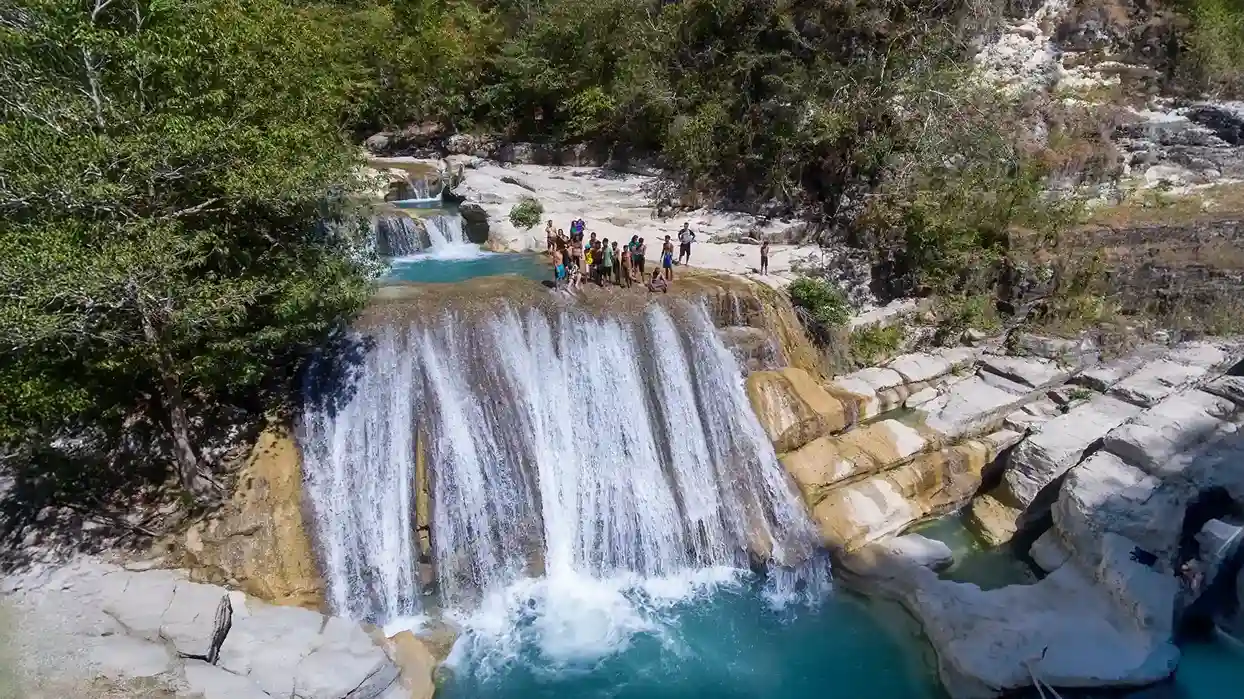
For those seeking a comprehensive yet unhurried exploration of Sumba, a sumba 7 day itinerary offers the ideal duration. This period allows for a meaningful engagement with both the island’s distinct western and eastern regions, incorporating necessary travel, cultural immersion, and essential moments of rest without feeling rushed.
We have observed that seven days strikes a crucial balance for visitors to Sumba. It provides ample time to traverse the island, experience its varied landscapes, and engage with its rich cultural heritage beyond superficial encounters. This duration accommodates the logistics of inter-regional travel, accounts for potential weather variations, and ensures that the journey remains a restorative experience rather than a hurried transit.
The Logic of a Sumba 7-Day Itinerary
Our suggested framework for one week in Sumba is structured to maximize cultural engagement and scenic appreciation while minimizing travel fatigue. We typically recommend dedicating three full days to the western regions, allowing for a focused exploration before undertaking the overland transfer to the east, where another three days are spent. The remaining day acts as a buffer or a flexible period for deeper dives into specific interests, or simply for unwinding.
Structuring Your Week in Sumba
The geographical layout of Sumba, with its two primary airports — Tambolaka (TMC) in the southwest serving the western region, and Umbu Mehang Kunda (WGP) in Waingapu for the east — naturally suggests a linear progression. Arriving at one airport and departing from the other is often the most efficient approach, eliminating the need for a round trip across the island.
We find that three days in each major region allows for a considered pace. In the west, this means time to explore traditional villages, observe the intricate process of ikat weaving, and visit the distinct coastal formations. The transfer day, though involving travel, offers a unique perspective on the island’s changing landscapes from the lusher west to the more arid east. Once in the east, three days permit exploration of the expansive savannas, horse culture, and specific natural sites that characterize this drier side of Sumba.
Building in Buffer for Transfers and Weather
Sumba’s infrastructure, while continually improving, requires an allowance for flexibility. Overland transfers, particularly the journey between the western and eastern regions, take approximately 3 to 3.5 hours. This travel time is substantive and should be factored into your daily planning as a dedicated activity rather than a quick transition. By allocating a full day, or at least a significant half-day, for this transfer, we ensure that the experience remains pleasant and does not detract from the exploration of the regions themselves.
Furthermore, weather patterns can influence travel plans, especially during the shoulder seasons. While the dry season from April to October generally offers clear skies, unexpected rainfall can occur, impacting road conditions or visibility for outdoor activities. Building a buffer day into a 7 days Sumba plan provides invaluable flexibility, allowing for adjustments without compromising the core experiences you seek. This might mean rescheduling a village visit if a ceremonial event is underway, or taking an extra day to simply absorb the tranquility of your surroundings.
Deeper Immersion: What One Week Unlocks
A longer duration on Sumba enables a more profound connection with the island’s culture and environment. Unlike shorter visits, a week permits the exploration of multiple facets of Sumbanese life and landscape.
Engaging with Multiple Villages and Traditions
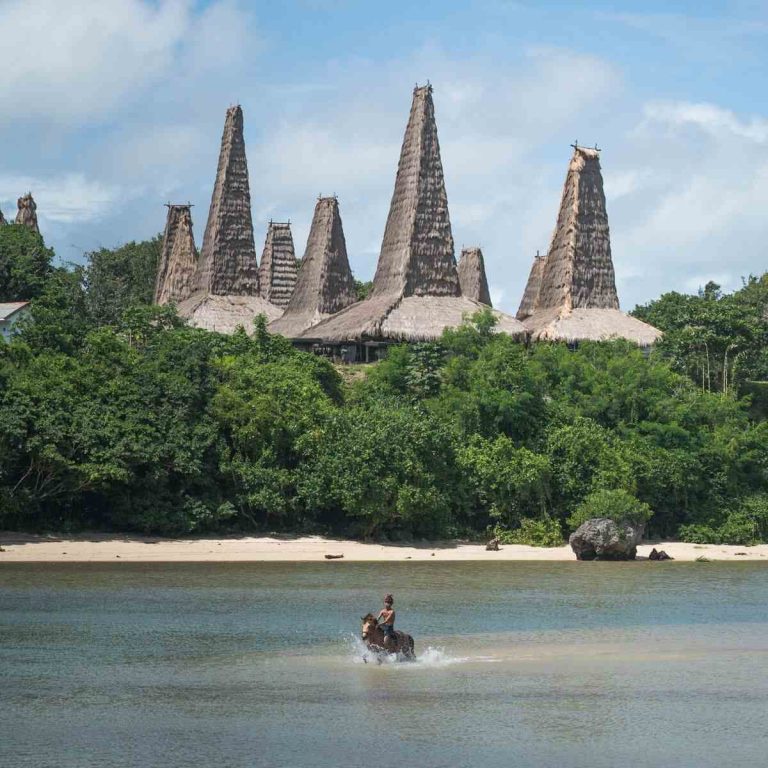
With seven days, we can guide you to a selection of traditional villages, each with its own unique architectural styles and local customs. In West Sumba, villages such as Ratenggaro or Praijing offer insights into Marapu animist beliefs and the distinctive high-peaked traditional houses. Time in these settings allows for respectful interaction with local communities, observing daily life, and understanding the significance of their megalithic tombs and ceremonial grounds. Moving to the east, villages like Prailiu or Rende present different perspectives on Sumbanese culture, often showcasing the island’s renowned ikat weaving traditions in a more intimate setting. A week allows not just a visit, but an opportunity to sit, observe, and learn.
Experiencing Both Coasts and Inland Landscapes
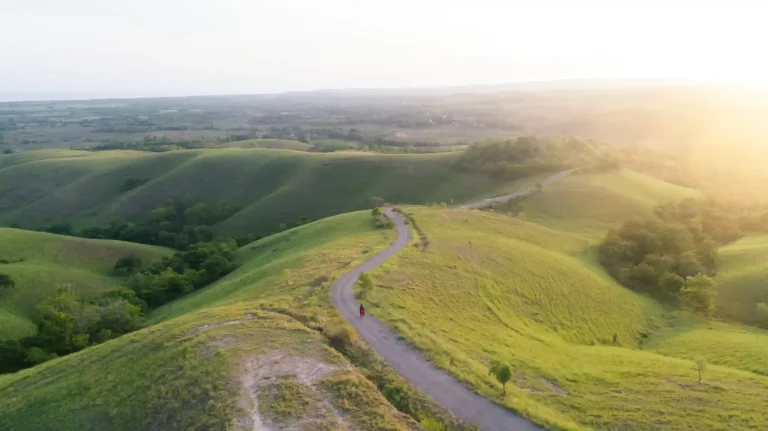
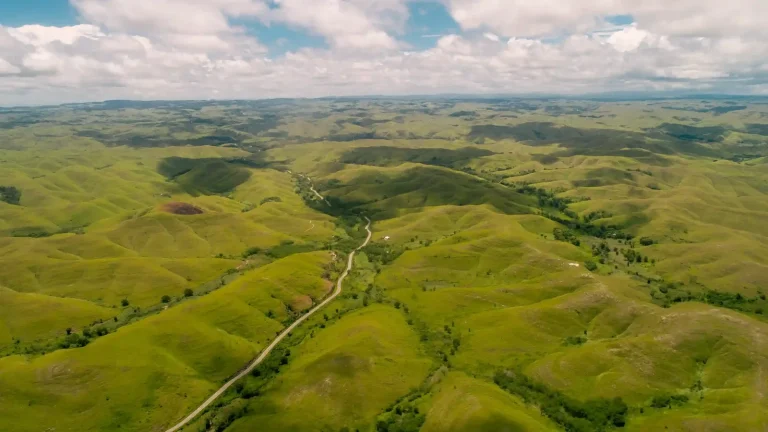
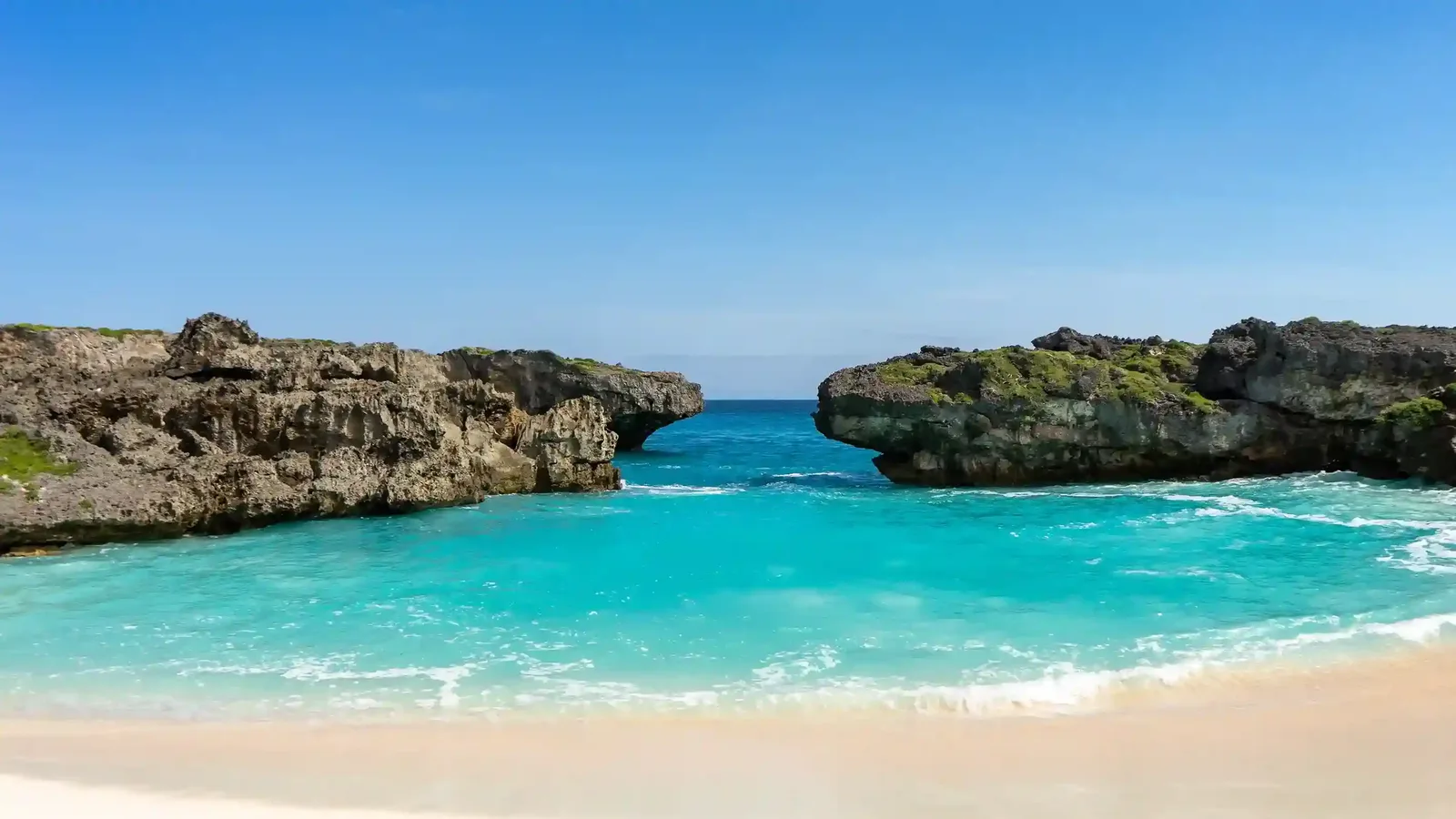
Sumba’s geographic diversity is one of its defining characteristics. A slow Sumba itinerary over seven days ensures you experience this contrast fully. The western coastlines, particularly in Southwest Sumba, are known for their dramatic cliffs and pristine beaches, ideal for quiet contemplation or gentle exploration. Inland, the west presents lush, verdant hills and a higher density of traditional settlements. The journey eastward reveals a gradual shift to a drier, more open savanna landscape, where wild horses roam and the terrain feels expansive. This geographical progression is a core part of the Sumbanese experience, and a week allows for its full appreciation.
Dedicated Time for Waterfalls and Artisanal Craft
A 7-day itinerary can comfortably accommodate dedicated excursions to Sumba’s natural wonders. Waterfalls such as Lapopu in West Sumba or Tanggedu in East Sumba require specific travel time and a commitment of half a day or more to properly enjoy. These are not brief photo stops; they are destinations for immersion.
Furthermore, a week provides the luxury of time to engage with local artisans. Sumba is globally recognized for its exquisite ikat weaving. With sufficient time, we can arrange for you to visit a local workshop, observe the intricate dyeing and weaving process firsthand, and even participate in a simple step of the craft. This is not a rushed commercial transaction but an educational and cultural exchange, fostering a deeper understanding of this revered art form.
The Possibility of Witnessing Pasola
While not a guaranteed element of every trip, a longer visit between February and March increases the possibility of witnessing Pasola, the traditional spear-fighting ritual. Pasola dates are fluid, determined by Marapu priests based on lunar cycles and specific local observations, making precise advance planning challenging. We strongly advise that Pasola should never be the sole purpose of a Sumba trip, given its unpredictable scheduling. However, for those with a flexible one week in Sumba during this period, we can assist in monitoring local announcements and advising on the likelihood of the festival. Further details on this event can be found in our specific guide to Pasola timing and cultural significance.
Anchoring Your Stay: Accommodations Across Sumba
The choice of accommodation significantly influences the quality and nature of your Sumba experience. For a 7-day journey, we recommend selecting one base in the western region and another in the eastern region. This approach minimizes packing and unpacking, allowing you to settle into each area and explore effectively.
Western Sumba: Traditional Charm and Coastal Proximity
In the western regions (West Sumba and Southwest Sumba), accommodation options range from eco-conscious boutique hotels to private villas that often blend traditional Sumbanese architecture with modern comforts. These properties typically offer convenient access to iconic villages, untouched beaches, and the lush, green landscapes characteristic of this side of the island. Staying here for three nights allows for thorough exploration without excessive daily travel.
Eastern Sumba: Savanna Views and Remote Serenity
Eastern Sumba, with its drier climate and expansive savannas, offers a different style of lodging. Here, you might find properties that emphasize panoramic views of rolling hills, equestrian activities, or deep cultural immersion within a more remote setting. Waingapu, the largest town, also provides more conventional hotel options. A three-night stay in the east provides ample opportunity to experience its unique character, from sunrise over the savanna to visits to ikat weaving communities.
We do not endorse specific commercial entities or provide fixed pricing for accommodations. However, we can advise on the types of properties available across various comfort and amenity levels. For guidance, expect high-quality private accommodations in Sumba to range from approximately IDR 2,500,000 to IDR 10,000,000 per night, last verified June 2026, depending on location, season, and services included. These figures are illustrative and subject to change.
We can help tailor your Sumba itinerary and accommodation choices.
A Sample Sumba 7-Day Itinerary
This framework is designed as a guide, providing a logical flow for a comprehensive sumba 7 day itinerary. It is not a rigid schedule but a suggestion for pacing and regional focus.
- Day 1: Arrival in West Sumba & Coastal Exploration
- Arrive at Tambolaka Airport (TMC). Transfer to your accommodation in Southwest Sumba. Settle in and enjoy the immediate surroundings, perhaps a quiet afternoon at a nearby beach or a gentle introduction to the local coastal landscape. Focus on relaxation and acclimatization.
- Day 2: Traditional Villages of West Sumba
- A dedicated day to explore the iconic traditional villages of West Sumba, such as Ratenggaro, Praijing, or Weekuri Lagoon. Engage respectfully with local communities, observe their distinctive architecture, and learn about Marapu beliefs. We emphasize ethical engagement and mindful photography.
- Day 3: Nature and Crafts in West Sumba
- Visit a waterfall like Lapopu, requiring a gentle trek through lush landscapes. In the afternoon, explore a local market or engage with a community known for its traditional crafts, perhaps witnessing the early stages of ikat preparation or other artisanal practices. This day balances natural beauty with cultural depth.
- Day 4: Overland Transfer to East Sumba
- After a leisurely breakfast, begin the scenic overland transfer from West Sumba to East Sumba. This journey, typically 3 to 3.5 hours, offers a visual narrative of Sumba’s changing landscapes. Arrive in Waingapu or your chosen East Sumba accommodation. Enjoy the expansive views and settle into a new environment.
- Day 5: Savanna Landscapes and Horse Culture
- Explore the iconic savanna landscapes of East Sumba. Visit a local horse community to observe the Sumbanese horses, renowned for their strength and beauty. Experience the vast, rolling hills and panoramic vistas that define this region. A sunset over the savanna is a quintessential East Sumba experience.
- Day 6: Ikat Weaving and East Sumba Villages
- into the art of ikat weaving with a visit to a village known for its master weavers, such as Prailiu or Rende. Learn about the complex process from cotton preparation to the intricate dyeing and weaving techniques. Engage with the artisans and appreciate the cultural significance of this textile art. This day offers a deeper understanding of Sumbanese craftsmanship.
- Day 7: Departure or Flexible Exploration
- Depending on your flight schedule from Umbu Mehang Kunda Airport (WGP), enjoy a final morning activity, perhaps a visit to a local market or a return to a favorite spot. Alternatively, this can serve as a buffer day for revisiting a particular site, enjoying your accommodation, or allowing for unexpected opportunities, such as a local ceremony. Transfer to WGP for your departure.
Preparing for Your Journey to Sumba
Effective preparation enhances the Sumba experience. Our role is to provide neutral editorial guidance, not to dictate your choices, but to inform them.
Sumba at a Glance: Key Facts
Understanding the fundamental characteristics of Sumba aids in planning.
- Regencies
- Sumba is divided into four administrative regencies: West Sumba (Sumba Barat), Southwest Sumba (Sumba Barat Daya), Central Sumba (Sumba Tengah), and East Sumba (Sumba Timur).
- Airports
- Two main airports serve the island: Tambolaka (TMC) in Southwest Sumba for the western regions, and Umbu Mehang Kunda (WGP) in Waingapu, East Sumba, for the eastern regions.
- Overland Travel
- The primary overland route connecting the western and eastern airports (TMC to WGP, or vice versa) typically takes between 3 to 3.5 hours, depending on road conditions and specific points of origin/destination.
- Dry Season
- The dry season, from April to October, generally offers the most favorable weather for travel with minimal rainfall and abundant sunshine. This is often preferred for outdoor activities and photography.
- Wet Season
- The wet season, from November to March, brings lush greenery and can offer dramatic skies, though travel may be impacted by heavier rains and sometimes less accessible roads.
- Western Sumba Characteristics
- Generally wetter and greener, characterized by dramatic coastlines, traditional villages with distinctive architecture, and rolling hills.
- Eastern Sumba Characteristics
- Drier and dominated by vast savanna landscapes, known for its iconic horses, intricate ikat weaving traditions, and more arid terrain.
Framework, Not a Package
The itinerary we present is a framework, offering a logical progression and highlighting key experiences. Sumba Private does not operate tours or offer fixed packages. Our expertise lies in providing independent curation and concierge-intelligence to help you construct a personalized journey. We facilitate connections to vetted local partners for logistics, accommodation, and guides, ensuring a seamless and authentic experience. No one can pay to change what we publish; if you proceed with our partner they may pay us a referral fee at no extra cost to you.
Candid Advice on Photography and Local Interaction
Sumba offers incredible photographic opportunities, particularly in its traditional villages and natural landscapes. We encourage respectful engagement with local communities. Always ask for permission before photographing individuals, particularly children, and be mindful of local customs. Our guide to ethical photography in Sumba offers further insights.
Frequently Asked Questions About a 7-Day Sumba Itinerary
Is 7 days enough to see Sumba?
Seven days is an optimal duration for a first-time comprehensive visit to Sumba. It allows for a balanced exploration of both the distinct western and eastern regions, including cultural immersion, natural beauty, and necessary travel time, without feeling rushed. While more time always allows for deeper exploration, a week provides a rich and varied experience.
What is the best way to travel between East and West Sumba?
The most common and practical method of travel between East and West Sumba is by private overland transfer. The journey takes approximately 3 to 3.5 hours and offers scenic views of the island’s changing landscapes. We do not recommend public transport for visitors seeking comfort and efficiency.
What are the main cultural experiences to expect in Sumba?
Sumba is renowned for its Marapu animist traditions, evident in its megalithic tombs and distinctive traditional villages. Visitors can expect to observe intricate ikat weaving, experience the island’s unique horse culture, and respectfully engage with local communities to learn about their customs and daily life. Cultural experiences are at the heart of any Sumba visit.
When is the best time of year for a 7-day Sumba trip?
The dry season, from April to October, is generally considered the best time for a Sumba trip. During these months, you can expect sunny weather, minimal rainfall, and ideal conditions for exploring villages, beaches, and natural sites. The landscape transitions from lush green after the wet season to golden savanna in the peak dry months.
Can Sumba Private help me plan my trip?
Yes, Sumba Private specializes in providing independent curation and concierge-intelligence for high-net-worth travelers to Sumba. We offer neutral editorial guidance and free, vetted-partner introductions to help you tailor a personalized itinerary, including accommodation, logistics, and experiences. We are explicitly not a tour operator but your trusted advisor. Our 5-day Sumba itinerary also offers an alternative for shorter visits.
A well-structured sumba 7 day itinerary transcends a mere tour; it is an invitation to engage with an island that asks to be experienced slowly and thoughtfully. Our aim is to facilitate that connection, providing the intelligence and vetted introductions necessary for a journey that resonates deeply.
Should you wish to refine this framework or explore specific interests, our expertise is at your disposal. We invite you to connect with us for personalized guidance.
Contact Us to Plan Your Tailored Sumba Journey
We are also available via WhatsApp for convenient planning discussions.