5-Day Sumba Itinerary Blending West and East
A 5-day Sumba itinerary blending West and East provides a balanced introduction to the island's diverse regions. Discover how to experience Sumba's distinc
13 min read
A 5-day Sumba itinerary blending West and East is indeed achievable, offering a comprehensive yet focused introduction to the island’s distinct halves. This specific 5 day sumba itinerary west and east allows for an immersive experience, provided travelers accept one dedicated day for overland transfer between the two regions, typically a journey of approximately 3 to 3.5 hours between Tambolaka (West Sumba) and Waingapu (East Sumba). Our approach to this sumba 5 days plan prioritizes thoughtful curation, ensuring that both the natural splendor and the profound cultural heritage of Sumba are explored with respect and efficiency.
The Shape of a 5-Day Sumba Journey: Balancing West and East
To genuinely balance west east sumba within five days, the most practical structure allocates two full days to West Sumba, followed by a dedicated overland transfer day, and then two full days to East Sumba. This configuration minimizes backtracking and maximizes time spent experiencing the island’s unique offerings. It is a route designed for those who wish to sample the distinct character of each side rather than deeply explore one, offering a five day sumba route that is both ambitious and rewarding.
This pace is considered efficient; it is not a leisurely holiday. Early starts are often necessary, and travel between sites will consume a significant portion of each day. However, for those with limited time who desire a broad overview, this itinerary serves as a robust framework.
West Sumba: Landscapes and Living Traditions
West Sumba, characterized by its verdant, undulating hills and dramatic coastal formations, presents a softer, often wetter landscape compared to its eastern counterpart. It is home to some of the island’s most iconic natural attractions and traditionally structured villages where ancient Marapu beliefs remain deeply embedded in daily life.
West Sumba Highlights
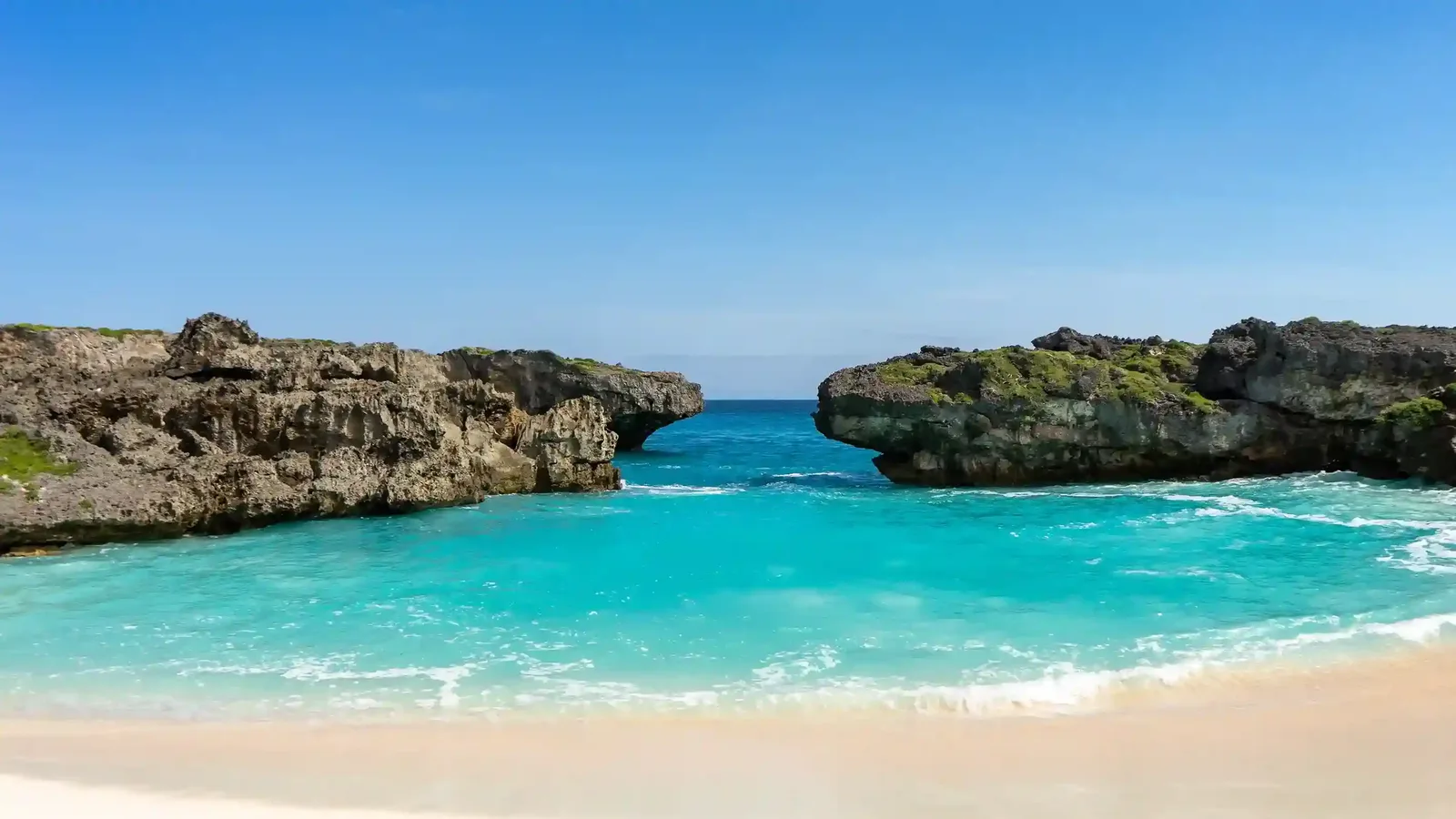
- Weekuri Lagoon and Mandorak Beach: Weekuri Lagoon is a saltwater lagoon separated from the ocean by a narrow rock formation. Its calm, clear waters are ideal for swimming, offering a tranquil counterpoint to the powerful ocean waves just beyond. Adjacent to Weekuri, Mandorak Beach provides a picturesque cove, often accessed by a short walk through local pathways. The geological formations and the serene atmosphere here are distinct.
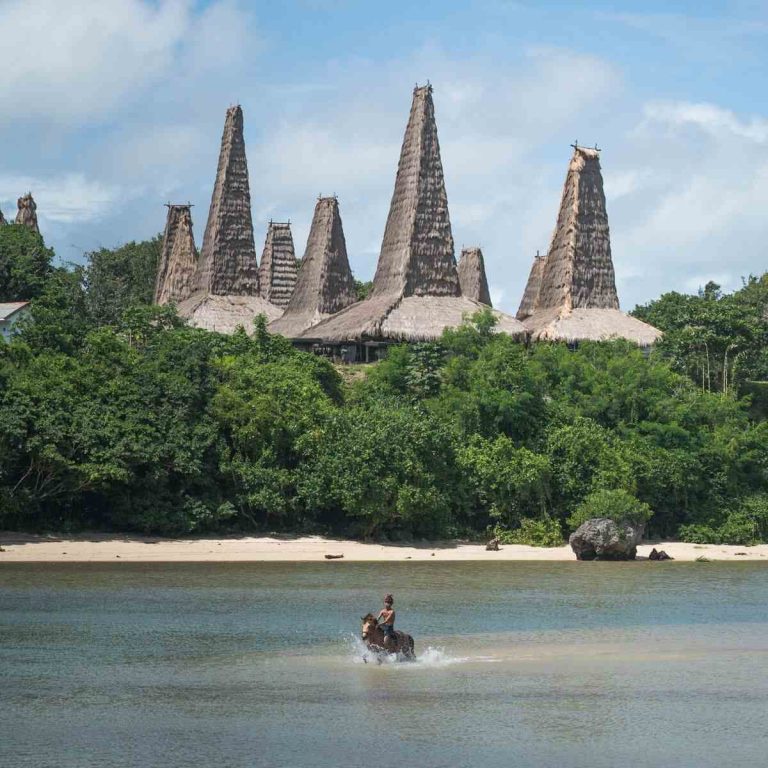
- Traditional Villages (Ratenggaro, Praijing): These villages offer a direct window into Sumbanese traditional life and architecture. Ratenggaro, situated directly on the coast, is renowned for its extraordinarily tall, peaked Marapu houses (uma mbatangu) and the ancient megalithic tombs that dot the village grounds, overlooking the sea. Praijing, perched on a hillside, offers a panoramic view of its unique tiered structure, with traditional houses arranged in concentric circles. Visits to these villages are opportunities to understand the intricate social structures and spiritual practices of the Sumbanese people. We advocate for respectful engagement, often with a local guide facilitating introductions.
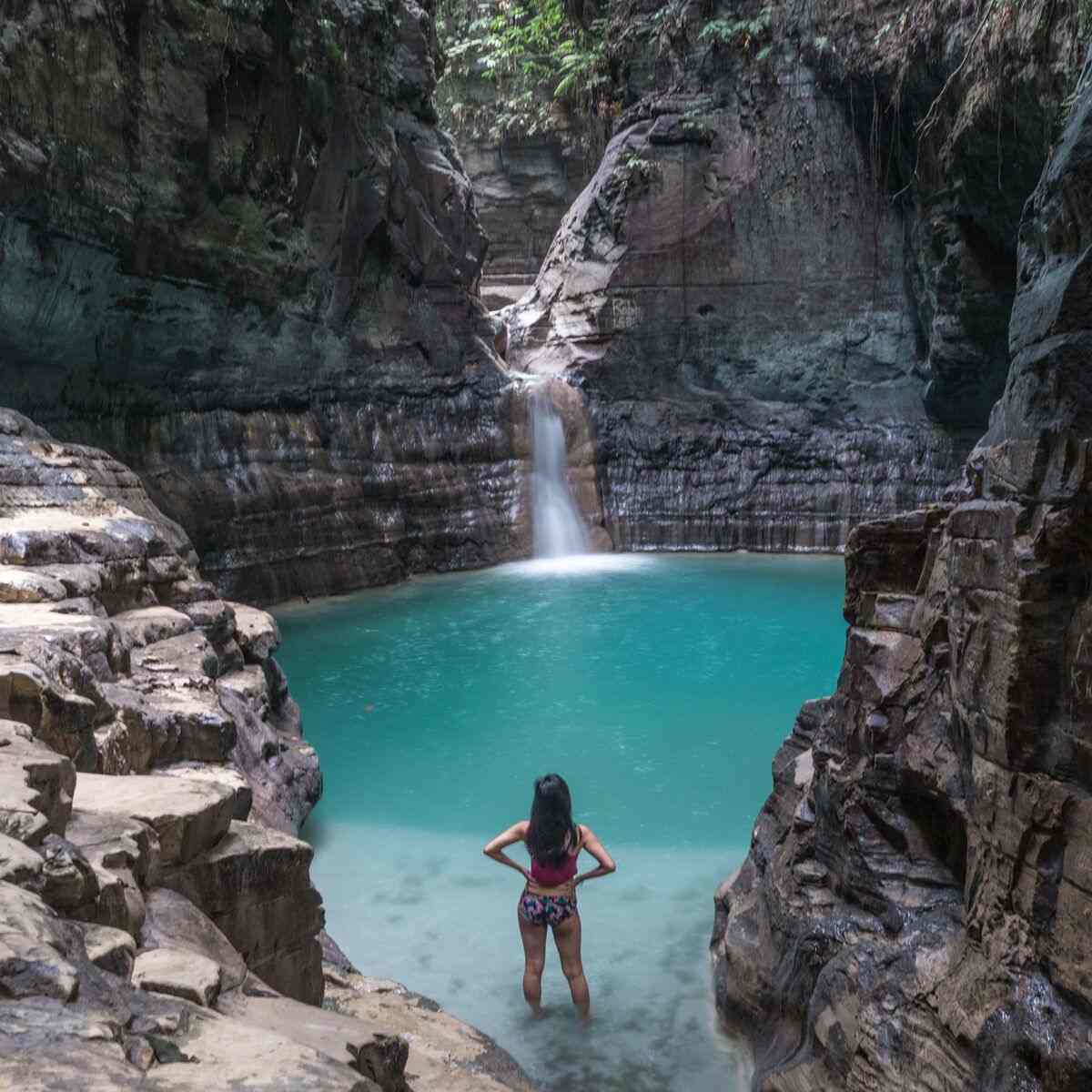
- Lapopu Waterfall: Tucked away amidst lush jungle, Lapopu Waterfall is a multi-tiered cascade that flows into natural pools. The trek to Lapopu is a modest walk through a scenic forest, culminating in a refreshing experience at the falls. The cool water provides a welcome respite, and the surrounding environment is rich with local flora.
East Sumba: Savanna, Ikat, and Coastal Horizons
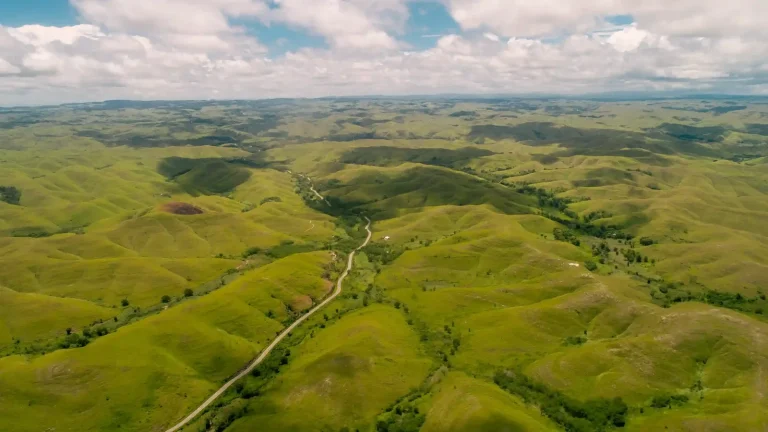
East Sumba presents a drier, more expansive landscape, dominated by rolling savanna hills and a rugged coastline. Culturally, it is distinct, particularly as the undisputed center of Sumba’s renowned ikat weaving tradition. The pace here can feel different, with long stretches of open road between points of interest.
East Sumba Highlights
- Waingapu: The Eastern Capital: As the largest town and administrative capital of East Sumba, Waingapu serves as the primary hub for logistics and commerce on the eastern side of the island. While not a tourist destination in itself, it provides essential services, accommodation options, and a glimpse into contemporary Sumbanese urban life. Its port is vital for inter-island trade.
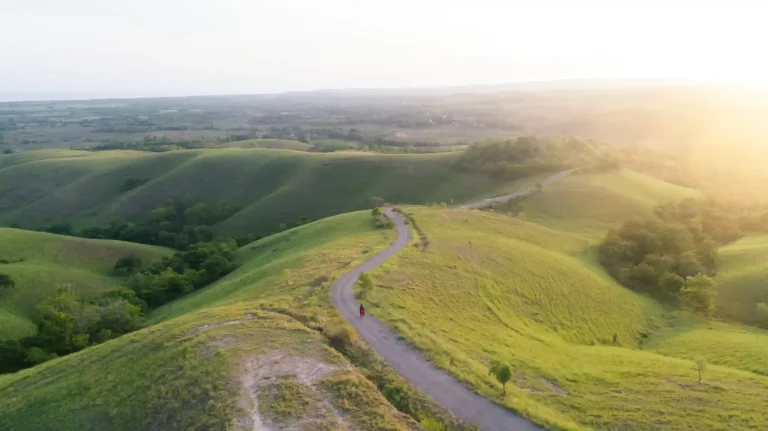
- Savanna Hills (Wairinding, Purukambera): The iconic rolling hills of East Sumba, such as Wairinding and Purukambera, are a defining feature of the landscape. These vast grasslands, particularly vibrant during the rainy season and golden-brown in the dry season, offer expansive vistas and a sense of profound scale. They are popular for their photographic appeal, especially at dawn or dusk when the light plays across the contours of the land.
- Walakiri Beach at Sunset: Walakiri Beach is famed for its unique dancing mangrove trees, silhouetted against the setting sun. The shallow waters and distinct tree formations create an almost otherworldly scene, particularly captivating during golden hour. It is a quiet, contemplative spot, offering a different kind of coastal beauty than the western beaches.
- Ikat Weaving in Prailiu: East Sumba is the heartland of Sumba’s intricate ikat weaving. Villages like Prailiu, close to Waingapu, are centers where the complex, labor-intensive process of creating these revered textiles can be observed. From the dyeing of threads with natural pigments to the precise tying and weaving, witnessing ikat production is an education in an ancient art form. We provide guidance for understanding the significance and provenance of these textiles in our dedicated
ikat buying guide.
Island: Overland Transfer Considerations
The overland transfer from West Sumba (Tambolaka area) to East Sumba (Waingapu area) is a fundamental component of this five day sumba route. The journey typically takes between 3 to 3.5 hours, depending on road conditions and the specific start and end points. While it is a travel day, it is also an opportunity to witness the changing landscapes of Sumba firsthand.
The road is generally paved, though sections can be uneven. The journey passes through a diverse array of scenery, from the greener western hills to the more arid eastern plains. We recommend arranging this transfer with a reliable local driver who is familiar with the route and can offer insights into the areas passed. This is not merely a logistical necessity but an integral part of understanding the island’s geography.
A Proposed Five-Day Sumba Route: Day by Day
This sumba 5 days plan is designed to be comprehensive, requiring efficient movement and an early start on most days. It is a template that we can refine to align with your specific interests and pace.
Day 1: Arrival in West Sumba & Coastal Exploration
* Morning/Midday: Arrive at Tambolaka Airport (TMC) in West Sumba. Transfer to your accommodation.
* Afternoon: Begin exploration with a visit to Weekuri Lagoon for swimming and relaxation. Continue to Mandorak Beach for coastal views.
* Evening: Dinner at your accommodation or a local eatery.
Day 2: West Sumba Villages & Waterfalls
* Morning: Visit traditional villages such as Ratenggaro, observing the unique architecture and megalithic tombs. Engage respectfully with local communities, perhaps with a guide to facilitate cultural exchange.
* Afternoon: Journey inland to Lapopu Waterfall for a refreshing swim and a walk through the surrounding jungle.
* Evening: Return to your West Sumba base.
Day 3: Overland Transfer to East Sumba
* Morning: Depart from West Sumba for the overland transfer to Waingapu, East Sumba. This journey typically takes 3 to 3.5 hours.
* Midday/Afternoon: Arrive in Waingapu. Check into your East Sumba accommodation.
* Late Afternoon: Depending on arrival time, a brief orientation drive around Waingapu or a visit to a nearby market.
* Evening: Dinner in Waingapu.
Day 4: East Sumba Savanna & Cultural Immersion
* Morning: Explore the iconic savanna hills of East Sumba, such as Wairinding or Purukambera, taking in the vast, rolling landscapes. Ideal for photography.
* Afternoon: Visit Prailiu Village to observe the intricate process of ikat weaving and learn about this revered art form.
* Evening: Head to Walakiri Beach for sunset, witnessing the unique dancing mangrove trees against the colorful sky.
Day 5: East Sumba Departure
* Morning: Depending on your flight schedule, options include a final visit to an ikat village for last-minute souvenir purchases, or a relaxed morning at your accommodation.
* Midday: Transfer to Waingapu Airport (WGP) for your onward flight.
Understanding the Distinctions: West vs. East Sumba
While part of the same island, West and East Sumba possess distinct characteristics that shape the experience of each region. Understanding these differences is key to appreciating the balance west east sumba approach of this itinerary.
- Geographic Character
- West Sumba is generally more fertile and verdant, with rolling hills, rice paddies, and a higher concentration of waterfalls. East Sumba is notably drier, characterized by expansive savannas, rugged coastlines, and distinct topography shaped by long dry seasons.
- Cultural Focus
- In West Sumba, the emphasis is often on traditional villages, megalithic tombs, and a strong adherence to Marapu animist beliefs, visible in daily life and architecture. East Sumba is renowned as the heartland of ikat weaving, with a focus on this intricate textile art, though traditional villages and Marapu practices are also present.
- Main Towns
- Tambolaka serves as the primary airport and a smaller administrative center in West Sumba. Waingapu is the largest town on Sumba, acting as the administrative and commercial capital of East Sumba, with a significant port.
- Key Attractions
- West Sumba features Weekuri Lagoon, Mandorak Beach, Ratenggaro, Praijing, and Lapopu Waterfall. East Sumba offers the Wairinding Hills, Purukambera Savanna, Walakiri Beach, and the ikat weaving villages around Waingapu.
- Pace of Travel
- Travel in West Sumba can involve more winding roads through hilly terrain. East Sumba often involves longer stretches of open road across the savanna, leading to a feeling of greater expanse.
Practicalities and Pacing Cautions for Your Sumba 5-Day Plan
Executing this sumba 5 days plan effectively requires a mindful approach to logistics and an understanding of local conditions.
- Efficiency is Key: This itinerary is designed to maximize exposure to both regions within a limited timeframe. This means early starts are often necessary, and time at each site may be more focused than leisurely.
- Accommodation Choices: Your choice of accommodation can significantly impact travel times. Staying in centrally located properties in both West and East Sumba can help reduce daily transit. Researching the precise location of your lodging relative to the attractions is advisable.
- Road Conditions: While main roads are generally paved, some routes to specific attractions, particularly traditional villages, may involve unpaved or less maintained sections. A robust vehicle with a skilled local driver is essential.
- Flexibility: While we provide a structured
five day sumba route, local conditions, weather, or unforeseen events can necessitate minor adjustments. Maintaining a degree of flexibility allows for a more relaxed experience. - Cultural Sensitivity: Sumba is rich in living traditions. When visiting villages, dressing modestly, asking permission before taking photographs, and being respectful of local customs are paramount. A local guide can greatly enhance these interactions.
- Budget Considerations: Costs for accommodation, transport, and guide services in Sumba can vary widely. While we do not provide invented rates, a general range for a quality private vehicle with a driver and guide, for example, might be USD 100-200 per day (last verified June 2026), not including fuel or entry fees. Accommodation ranges from modest guesthouses to luxury resorts.
Your Journey, Tailored: Beyond a Template
While this 5 day sumba itinerary west and east offers a well-considered framework, we understand that every traveler has unique interests and expectations. Sumba Private specializes in independent curation and concierge-intelligence, which means we can adapt this template to align precisely with your preferences. Perhaps you wish to spend more time on cultural immersion, or focus more intently on the natural landscapes. Our role is to provide neutral editorial guidance and, should you wish to proceed, free, vetted-partner introductions.
It is important to understand that no one can pay to change what we publish; if you proceed with our partner they may pay us a referral fee at no extra cost to you. This ensures our advice remains objective and solely focused on your best interests.
We invite you to plan your trip with us, leveraging our deep local knowledge to create a personalized sumba 5 days plan that reflects your vision.
Frequently Asked Questions (FAQs)
Is 5 days enough for Sumba?
A 5-day itinerary allows for a substantial sampling of both West and East Sumba, providing a good overview of the island’s diverse landscapes and cultures. It requires efficient planning and a willingness to move between locations, including a dedicated overland transfer day. For a more relaxed or in-depth exploration of specific regions, a longer duration is recommended, as discussed in our how many days for Sumba blog.
What is the best way to travel between West and East Sumba?
The most common and practical method of travel between West Sumba (Tambolaka area) and East Sumba (Waingapu area) is by private vehicle with a driver. This overland transfer typically takes 3 to 3.5 hours and offers scenic views of the changing landscape. There are no direct commercial flights between the two airports on Sumba (Tambolaka and Waingapu), making the road journey the primary option.
What are the main cultural differences between West and East Sumba?
While both regions share the foundational Marapu animist belief system, cultural expressions vary. West Sumba is often associated with its distinct traditional villages, such as Ratenggaro and Praijing, and specific megalithic burial sites. East Sumba is particularly renowned as the center of Sumba’s intricate ikat weaving tradition, with villages like Prailiu being key hubs for this art form. The landscapes themselves also influence lifestyles and cultural practices, with the more fertile west contrasting with the drier, savanna-dominated east. Our West Sumba vs East Sumba comparison blog deeper into these distinctions.
What should I pack for a 5-day Sumba trip?
For a 5-day Sumba trip, we recommend packing light, breathable clothing suitable for tropical weather, swimwear for lagoons and waterfalls, comfortable walking shoes for village visits and light treks, and sandals. Sun protection (hat, sunglasses, high-SPF sunscreen) is essential, as is insect repellent. A light rain jacket can be useful, especially during the shoulder seasons. For cultural visits, modest attire (covering shoulders and knees) is respectful.
How much does a 5-day trip to Sumba cost?
The cost of a 5-day trip to Sumba varies significantly based on accommodation choices, mode of transport, and activity preferences. For a moderate-comfort experience, including private transport with a driver and guide, mid-range accommodation, and standard entry fees, one might expect a daily expenditure in the range of USD 200-400 per person (last verified June 2026), excluding international flights. Luxury options would naturally incur higher costs. These are general estimates and should not be considered fixed prices.
Planning Your Sumba Experience
Navigating Sumba requires insight and preparation. Our role is to provide clarity and facilitate connections, ensuring your time on the island is both enriching and precisely tailored. Contact us to plan your trip, and allow our team to refine this 5 day sumba itinerary west and east or craft an entirely new five day sumba route that aligns perfectly with your aspirations. We can assist via email or WhatsApp, offering advice that is grounded in local knowledge and unbiased.