Is Sumba Safe? A Calm, Practical Answer
Considering travel to Sumba? Our guide answers: is Sumba safe for tourists? We provide calm, practical insights on roads, health, and cultural respect for
15 min read
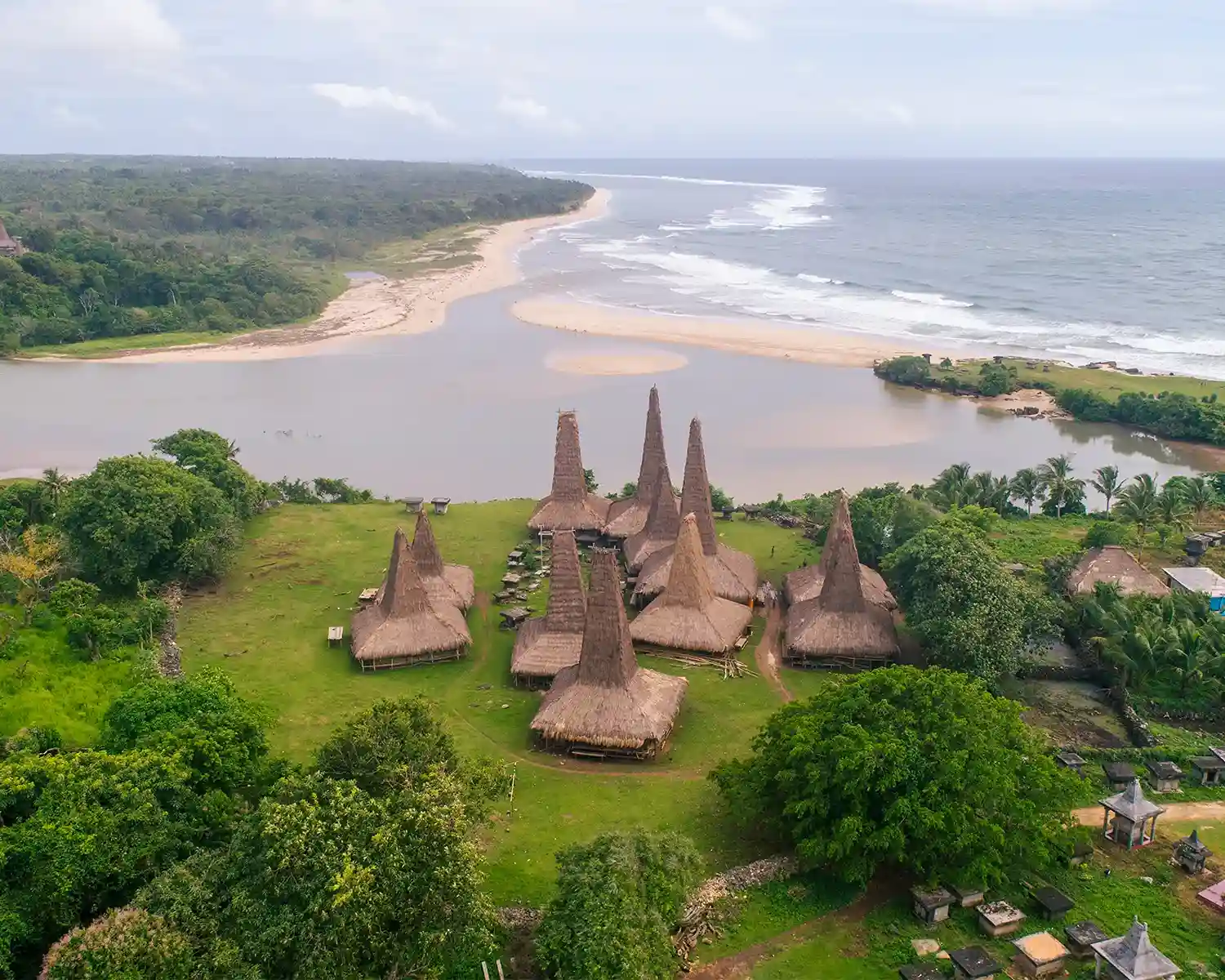
When considering travel to Sumba, a common and entirely natural question we encounter is: is Sumba safe for tourists? We find the island to be, by and large, a calm and welcoming destination for visitors, where genuine hospitality is a deeply ingrained cultural value. Our assessment indicates that the primary considerations for safety and well-being here revolve less around crime-driven fear and more around island’s unique geographical, environmental, and logistical realities, such as road conditions, ocean currents, the distances to medical facilities, and specific health precautions like malaria prevention.
The Honest Picture: Understanding Safety in Sumba
Sumba offers an experience distinct from more densely populated or heavily touristed regions of Indonesia. Its rhythm is slower, its communities are close-knit, and traditional values hold significant sway. In this context, personal safety takes on a different emphasis. Crime rates, particularly those affecting tourists, are remarkably low. Visitors are more likely to encounter the warmth of local interactions than any form of malice.
Our guidance on safety in Sumba therefore shifts the focus from apprehension about criminal activity to a proactive approach to preparedness and awareness of the local environment. This involves understanding the practicalities of travel on a developing island, respecting cultural norms, and taking sensible precautions related to health and natural surroundings. We advocate for informed decision-making, where an understanding of local conditions empowers a journey of discovery, rather than one shadowed by unfounded concern. We aim to equip you with the precise knowledge to navigate Sumba securely, allowing the island’s profound beauty and cultural richness to unfold without undue worry.
Roads: Driving and Infrastructure in Sumba
The island’s road network presents one of the most significant practical considerations for visitor safety and ease of travel. While efforts are continually made to improve infrastructure, the reality on the ground requires careful navigation.
Road Conditions and Terrain
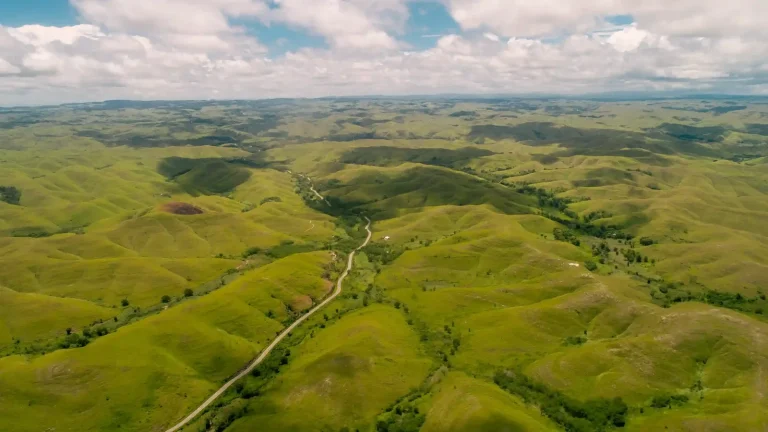
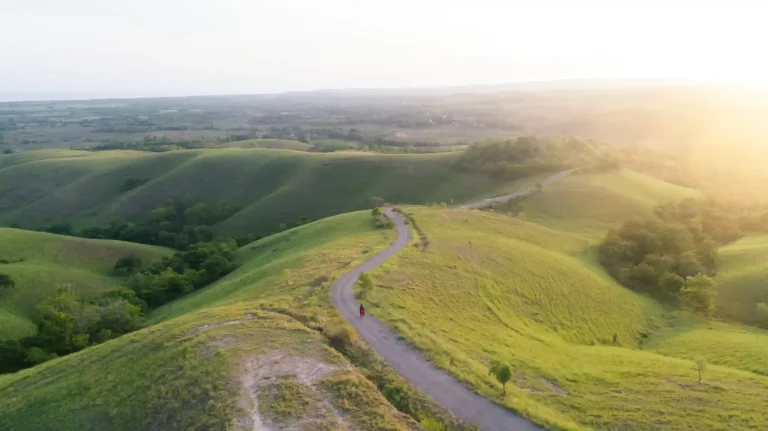
Sumba’s main arteries connecting major towns like Waingapu, Waikabubak, and Tambolaka are predominantly paved, offering relatively smooth passage. However, these roads can still feature unexpected potholes, sections of rough asphalt, or debris. As one ventures off these main routes into more remote villages or towards less accessible beaches, the infrastructure often transitions to unpaved, gravel, or dirt tracks. These can be uneven, dusty in the dry season, and potentially muddy and challenging to traverse during the wet season, which typically runs from November to April.
Furthermore, livestock – including horses, buffalo, pigs, and chickens – frequently roam freely on and alongside the roads, necessitating constant vigilance from drivers. Night driving, particularly outside of town centers, is generally discouraged due to the lack of street lighting, unmarked hazards, and the unpredictable presence of people and animals.
The Wisdom of a Private Driver
Given these conditions, we consistently recommend engaging a local, experienced private driver for your travels across Sumba. This is not merely a convenience but a considered safety measure. A vetted local driver possesses invaluable knowledge of the terrain, understands the nuances of road conditions in varying weather, and is adept at anticipating and reacting to common hazards. They are familiar with safe routes, can navigate unexpected detours, and often possess basic mechanical knowledge for minor issues.
Beyond the practicalities of driving, a local driver also serves as a cultural bridge, assisting with language barriers and facilitating respectful interactions in traditional villages. This allows visitors to fully immerse themselves in the island’s landscapes and culture without the added stress of self-navigation and the inherent risks of unfamiliar road conditions. For a deeper discussion on this topic, we invite you to consult our detailed guide on driver-vs-rental-car options in Sumba.
Vehicle Maintenance and Standards
The standard of vehicle maintenance among our vetted partners is a critical component of our safety assessment. We prioritize partners who operate well-maintained, roadworthy vehicles suitable for Sumba’s diverse terrain. This includes ensuring proper tire condition, functioning brakes, and regular servicing. While occasional breakdowns can occur in any remote location, working with established, reputable providers minimizes such risks and ensures swift assistance if issues arise. Our curation process includes verifying these operational standards to ensure your journey is as smooth and secure as possible.
The Ocean’s Embrace: Understanding Surf and Water Hazards
Sumba’s coastline is renowned for its pristine beauty and, particularly on the south, its powerful ocean swells. While incredibly alluring, the marine environment demands respect and awareness, especially concerning strong currents and reef systems.
Strong Currents and Reefs
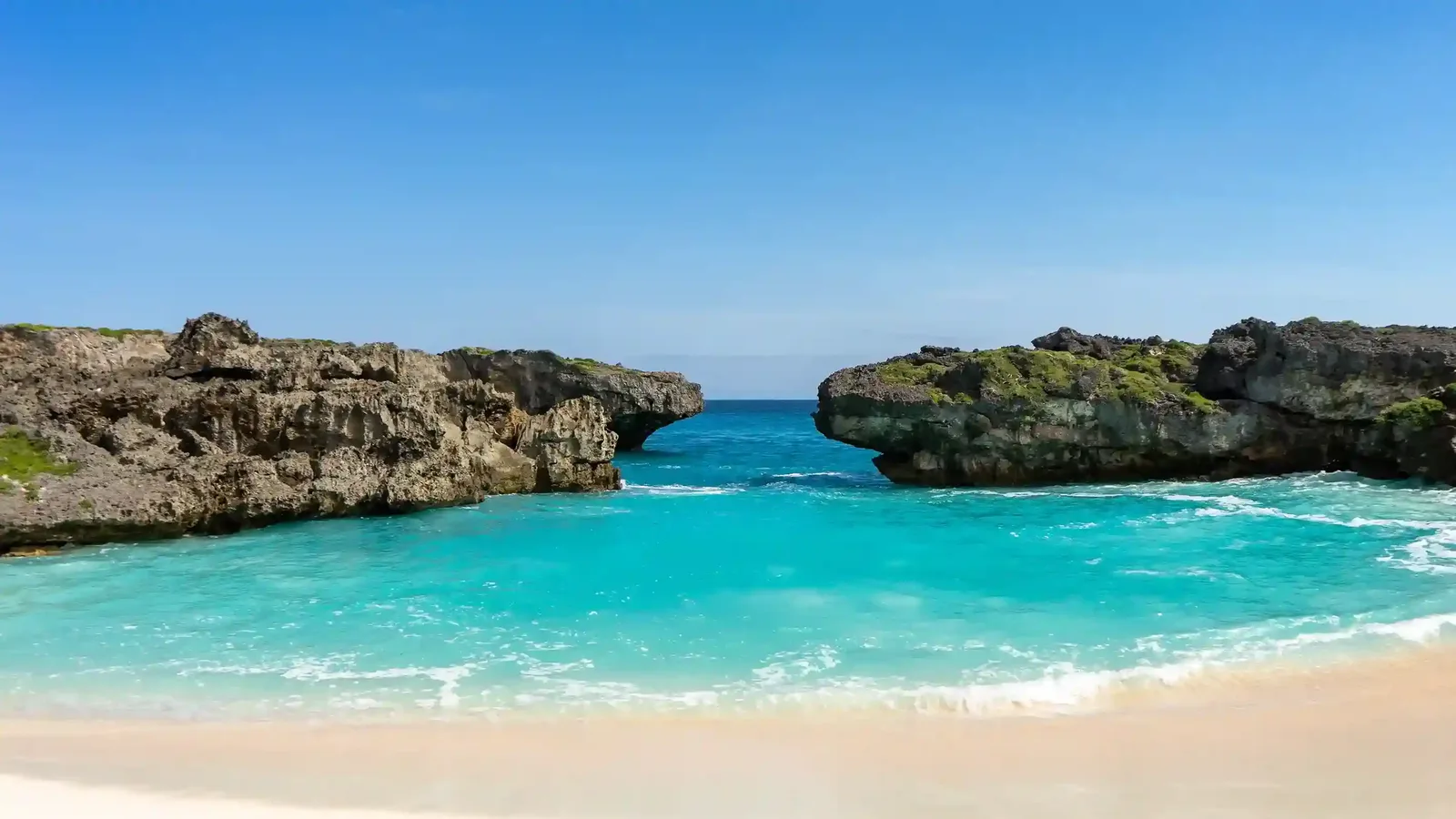
The southern coast of Sumba faces the open Indian Ocean, which translates to consistent, powerful surf and often very strong rip currents. These conditions are a draw for experienced surfers but can pose significant risks for casual swimmers or those unfamiliar with ocean dynamics. Many beaches, particularly those popular for surfing, feature extensive coral reefs close to shore. While these reefs are vibrant ecosystems, they can also present hazards: sharp corals can cause cuts and abrasions, and the shallow depths over reefs can amplify the force of breaking waves. It is crucial to be aware of tidal movements, as conditions can change rapidly.
Swimming Safely
For general swimming and snorkeling, we advise extreme caution. Many of Sumba’s most picturesque beaches are undeveloped and do not have lifeguards or designated swimming areas. Before entering the water, observe the conditions carefully. If you are unsure, err on the side of caution. Consider swimming only in calmer, sheltered bays or where local advice indicates safety. Never swim alone in unfamiliar waters, and always be mindful of your abilities. If caught in a rip current, the advice is to remain calm, conserve energy, and swim parallel to the shore until you are out of the current, then swim back to land.
Surfing Considerations
Sumba’s reputation as a surf destination is well-earned, with world-class breaks that attract experienced riders. However, these waves are typically powerful reef breaks that demand a high level of skill and ocean knowledge. We strongly recommend that only experienced surfers venture out at these spots. Engaging a local surf guide or instructor, even for those with experience, can be beneficial for understanding specific break characteristics, local etiquette, and current conditions. They can also assist with logistics and provide valuable insights into safe surfing practices on the island. Always ensure your equipment is in excellent condition and consider wearing reef shoes and protective clothing to prevent coral cuts.
Remoteness and Healthcare Distance: Planning for the Unexpected
The allure of Sumba’s pristine nature and untouched landscapes comes with the inherent characteristic of remoteness. While this contributes to its charm, it also means that access to advanced medical facilities is limited, necessitating careful pre-travel planning.
Limited Medical Facilities
Sumba has hospitals and basic clinics located in its larger towns, such as Waingapu (East Sumba), Waikabubak (West Sumba), and Tambolaka (Southwest Sumba). These facilities can address common ailments and minor injuries. However, for serious medical emergencies, complex surgical procedures, or conditions requiring specialized care, the island’s infrastructure is not equipped. In such scenarios, medical evacuation, typically to Bali or even Jakarta, becomes necessary. This process can be costly and time-consuming, underscoring the critical importance of comprehensive travel insurance.
We cannot overstate the value of a robust travel insurance policy that explicitly covers emergency medical treatment and, crucially, international medical evacuation. Before your trip, verify the specifics of your policy, including coverage limits, emergency contact numbers, and the procedures for initiating an evacuation.
Emergency Response Times
Due to the distances between towns and the varying road conditions, emergency response times in rural areas of Sumba can be significantly longer than what travelers might be accustomed to in their home countries. There isn’t a widespread, standardized emergency ambulance service that can reach all remote locations quickly. This further highlights the benefit of traveling with a local driver or guide, who can often assist in coordinating initial responses, communicating with local medical personnel, and facilitating transport to the nearest appropriate facility. Their local knowledge becomes an invaluable asset in unforeseen circumstances.
Proactive Health Measures
Taking proactive steps to manage your health before and during your trip can significantly mitigate risks. This includes carrying a well-stocked personal first-aid kit with essentials like antiseptic wipes, bandages, pain relievers, and any prescription medications you require, ensuring you have enough for the duration of your stay plus a buffer. If you have pre-existing medical conditions, consult your doctor before traveling to Sumba to ensure you are fit for the journey and understand any specific precautions you need to take. Staying hydrated, especially in Sumba’s tropical climate, and protecting yourself from the sun are also fundamental practices for maintaining well-being.
Begin Your Safety-Minded Planning Journey
Connect with us via WhatsApp for free planning assistance.
Health Considerations: Navigating Malaria and Other Illnesses
Health precautions form a crucial part of any comprehensive sumba safety guide. While Sumba offers pristine natural beauty, travelers must be aware of certain health risks, particularly mosquito-borne illnesses.
Malaria in East Nusa Tenggara (NTT)
It is important to understand that Sumba, as part of the East Nusa Tenggara (NTT) province, is designated a malaria-present region. This means that there is a risk of contracting malaria, especially in rural areas. We strongly advise all prospective travelers to consult with a travel clinic or their personal physician well in advance of their trip to discuss the necessity of malaria prophylaxis. This is not medical advice, but general information to prompt professional consultation.
In addition to potential medication, rigorous mosquito bite prevention is paramount. This includes:
- Using insect repellent containing DEET, Picaridin, or IR3535, especially during dawn and dusk when mosquitoes are most active.
- Wearing long-sleeved shirts and long trousers, particularly in the evenings.
- Sleeping under mosquito nets, which are often provided in accommodations in malaria-prone areas.
- Ensuring accommodation windows and doors have intact screens.
For an in-depth understanding of this topic, please refer to our dedicated article on malaria prevention in Sumba.
Dengue Fever and Other Mosquito-borne Illnesses
Beyond malaria, dengue fever is also present in Indonesia, including Sumba. Dengue is another mosquito-borne illness for which there is no vaccine or specific treatment, making mosquito bite prevention the primary defense. The same precautions taken for malaria – repellents, protective clothing, and mosquito nets – are effective against the Aedes mosquito that transmits dengue. Travelers should also be aware of other potential health concerns, such as Japanese encephalitis, though the risk to general tourists is typically lower.
Food and Water Safety
“Sumba belly” or traveler’s diarrhea can sometimes be an inconvenience. To minimize this risk, we advise:
- Drinking only bottled water, ensuring the seal is intact, or water that has been purified or boiled. Avoid tap water and ice made from untreated water.
- Being selective with food choices, especially from street vendors. Opt for freshly cooked, hot food.
- Washing hands frequently with soap and water or using an alcohol-based hand sanitizer, particularly before eating.
- Peeling fruits and vegetables yourself, if possible.
These common-sense precautions are generally sufficient to prevent most food and water-related illnesses.
Cultural Respect as a Form of Safety: Village Etiquette and Interactions
In Sumba, safety extends beyond physical well-being to encompass respectful and harmonious interactions with the local population. Understanding and adhering to Sumbanese cultural norms is not only a sign of courtesy but also a practical way to ensure positive experiences and avoid misunderstandings.
Understanding Sumbanese Hospitality
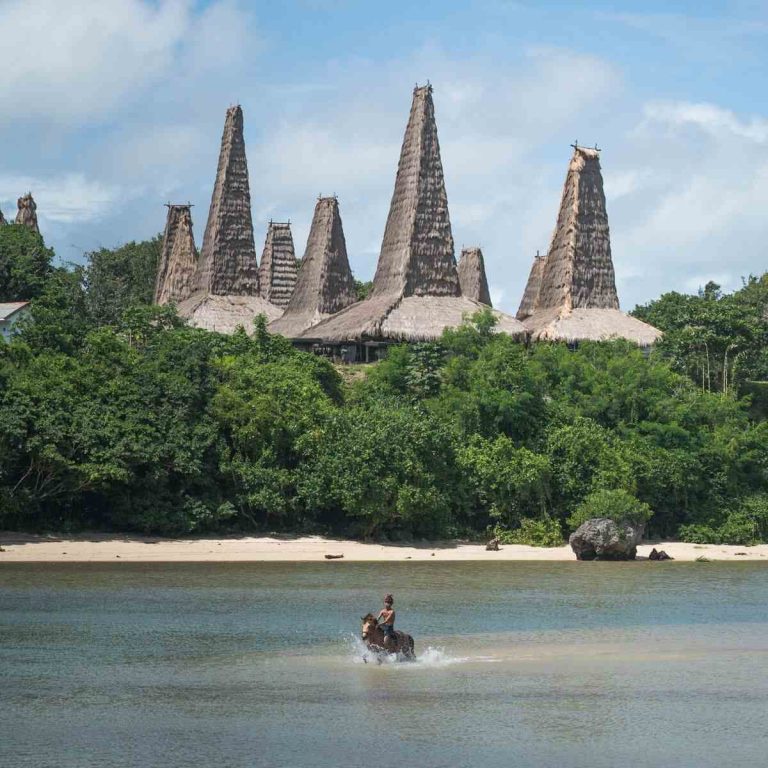
Sumbanese people are renowned for their profound hospitality and welcoming nature. Visitors are often greeted with genuine warmth and curiosity. This openness is a cornerstone of the island’s charm. However, it is essential to reciprocate this warmth with respect for their traditions, which are deeply intertwined with the Marapu ancestral belief system and daily life.
Appropriate Conduct in Traditional Villages
When visiting traditional villages, which are living museums of Sumbanese heritage, specific etiquette guidelines should be observed:
- Dress Modestly: It is customary and respectful to dress modestly, covering shoulders and knees. A sarong (kain) is often appropriate and can be purchased locally.
- Ask Permission for Photos: Always ask for explicit permission before taking photographs of people, especially elders or children. A smile and a gesture are usually sufficient, or your guide can assist.
- Offering a Small Gift (Pinang/Betel Nut): When entering a traditional village, particularly if you intend to meet with elders or visit a ceremonial house, it is customary to offer a small gift, known as ‘sirih pinang’ (betel nut and its accompaniments) or sometimes cigarettes. A small monetary contribution to the village fund can also be appropriate, often facilitated by your guide. This act acknowledges your visit and shows respect.
- Foot Etiquette: Avoid pointing with your feet or stepping over people’s food or personal belongings. In Sumbanese culture, the feet are considered the lowest part of the body.
- Entering Homes: If invited into a home, wait to be offered a seat. Do not enter sacred areas without explicit permission.
The Role of a Local Guide
Engaging a local guide, especially for visits to traditional villages, is highly recommended. A knowledgeable guide can translate, explain complex cultural nuances, and facilitate introductions to village elders. They ensure that interactions are respectful and meaningful, bridging any potential cultural gaps and enhancing the authenticity of your experience. Their presence acts as a safeguard against unintentional cultural faux pas and allows for a deeper appreciation of Sumbanese life. More detailed advice can be found in our guide to ethical village visits in Sumba.
Financial Transactions and Bartering
While bartering is a common practice in many markets, approaching financial transactions with fairness and respect is key. While it is acceptable to negotiate prices, particularly in tourist-oriented contexts, aggressive bartering is generally frowned upon. Understanding the value of goods and services and approaching transactions with a friendly demeanor fosters positive relationships.
- Malaria Presence
- Sumba, as part of East Nusa Tenggara (NTT), is designated a malaria-present region. Pre-travel medical consultation is essential for advice on prophylaxis and rigorous mosquito bite prevention.
- Ocean Conditions
- The south coast of Sumba features powerful surf and strong currents, particularly around reef breaks. Caution is advised for swimmers and inexperienced surfers; many areas lack lifeguards.
- Medical Facilities
- Medical infrastructure in Sumba is limited to basic clinics and hospitals in major towns. Serious emergencies often necessitate medical evacuation to Bali or Jakarta, underscoring the need for comprehensive travel insurance.
- Road Network
- Road quality varies significantly, from paved main routes to unpaved, challenging village tracks. Obstacles like livestock and potholes are common, making experienced local drivers a significant safety asset.
- Cultural Etiquette
- Respect for Sumbanese customs, particularly in traditional villages, is paramount. Modest dress, seeking permission for photos, and offering small customary gifts are key practices to ensure positive interactions.
Frequently Asked Questions
Is petty crime common in Sumba?
Petty crime targeting tourists is rare in Sumba. The island maintains a strong community focus, and incidents are infrequent. However, as with any travel destination, exercising general caution—such as securing valuables and being aware of your surroundings—is always prudent. We advise safeguarding your belongings, especially in public markets or transport hubs, though the overall risk remains low.
Do I need travel insurance for Sumba?
Yes, comprehensive travel insurance is essential for any trip to Sumba. Given the island’s remoteness and limited advanced medical facilities, insurance that covers emergency medical treatment, hospitalization, and crucially, medical evacuation to a larger medical center like Bali or Jakarta, is non-negotiable. Ensure your policy explicitly includes these coverages for peace of mind.
What should I do if I have a medical emergency in Sumba?
In a medical emergency, first remain calm. Contact your local guide or driver immediately, as they can assist with communication and transport to the nearest clinic or hospital in towns such as Waingapu, Waikabubak, or Tambolaka. Simultaneously, contact your travel insurance provider’s emergency assistance line. They will guide you through the process for treatment and potential evacuation. Having your insurance details readily accessible is vital.
Is it safe for solo female travelers in Sumba?
Sumba is generally safe and welcoming for solo female travelers. The local culture is respectful, and harassment is uncommon. We advise adhering to local customs, particularly modest dress in traditional areas, and being mindful of your environment, especially after dark. Traveling with a vetted local guide or driver can further enhance comfort and security, providing both logistical support and cultural insight.
What about natural disasters in Indonesia?
Indonesia is located in a seismically active zone, meaning earthquakes and tsunamis are possibilities. While Sumba is generally less prone to severe seismic events than some other regions of Indonesia, it is wise to be aware. Familiarize yourself with emergency exits in your accommodation and follow local advisories. Most hotels and resorts provide information on emergency procedures. Significant weather events, particularly during the wet season, can also affect travel plans.
Our aim at Sumba Private is to provide clear, practical, and honest guidance, allowing you to approach your journey to Sumba with confidence and a full understanding of its unique contours. By being prepared for the island’s environmental and logistical realities, and by engaging with its culture with respect, you unlock an experience that is profoundly rewarding and, most importantly, safe. We curate our insights to ensure you are well-equipped to appreciate the depth and beauty of this extraordinary island without reservation.
Start Planning Your Secure Sumba Journey
Connect with our team for complimentary planning assistance via WhatsApp.