How Many Days Do You Need in Sumba?
Clear, honest guidance on how many days in Sumba you really need, from 3–10+ nights, including routes, pacing and realistic island coverage.
14 min read
How many days in Sumba do you actually need? In our experience hosting and advising private travellers, 4–5 days is the minimum for one side of the island, and 7 or more days is the ideal length Sumba trip if you hope to connect west and east without rushing.
Sumba is large, rural, and still wonderfully low on tourism infrastructure. Distances that look short on a map can occupy half a day once you factor in road conditions, photo stops, and the reality that much of Sumba’s value lies in slowing down: walking through a village with your guide, waiting for the tides, watching the way light changes across the savannah.
This guide is our honest, logistics-first answer to the “how long to stay in Sumba” question. It is not a fixed package. Think of it as a framework you can stretch or compress around your own pace, budget, and appetite for overland driving.
The bare-minimum reality: transfers quietly eat time
Before deciding your Sumba minimum days, it helps to anchor a few non-negotiable facts.
Four regencies, two main gateways
Administratively, Sumba is divided into four regencies:
- West Sumba (Sumba Barat)
- Southwest Sumba (Sumba Barat Daya)
- Central Sumba (Sumba Tengah)
- East Sumba (Sumba Timur)
For travellers, these essentially arrange into two broad “halves”:
- West & Southwest Sumba – known for many of the most-photographed beaches and traditional villages.
- East Sumba – wider savannah landscapes, an even more remote feel, Pasola sites in season, and Waingapu as the main eastern town.
Most itineraries use one or both of the main airports:
- Tambolaka (TMC) – gateway to West and Southwest Sumba.
- Waingapu (WGP) – gateway to East Sumba.
Direct domestic flight schedules shift seasonally, but in practice you’ll route via Bali, Kupang, or occasionally Surabaya. Delays are not rare, particularly outside the dry season (roughly April–October).
Overland transfer time between west and east
The key number that shapes how long to stay in Sumba:
- Tambolaka ↔ Waingapu by road: around 3–3.5 hours in good conditions, not counting longer photo or meal stops.
That means:
- Crossing from a west-based lodge to an east-based lodge is at least half a day once you factor in packing, check-out, the drive, and check-in.
- Attempting “both sides” in 4 days is technically possible, but usually unsatisfying; you will feel like you lived in the car.
Arrival and departure days are rarely full days
Even with well-timed flights, your first and last days tend to be short:
- By the time you land, collect bags, meet your driver, check in, and have a late lunch, Day 1 is usually only good for one light activity or a sunset outing.
- On Departure Day, you’ll need to leave your lodge 2–3 hours before flight time, more if you’re not staying close to the airport.
For most travellers, a “4-day / 3-night” Sumba stay really contains 2.5 solid days on the ground.
This is why we recommend thinking in nights and usable full days, not just headline day-counts.
Day-count framework: what each length realistically covers
Here is a simple framework for the ideal length Sumba trip, assuming you prefer private vehicles and a comfortable but not frantic pace.
| Trip length (nights) | Usable full days | Realistic coverage | Best for |
|---|---|---|---|
| 2–3 nights | 1–2 full days | Single hub (west or east) with very limited radius; a “taster” stay. | Already in Bali; very tight overall Indonesia itinerary. |
| 4–5 nights | 3–4 full days | Comfortable exploration of either west/southwest or east; minimal backtracking. | First-time visitors prioritising one side; combining Sumba with other islands. |
| 6–7 nights | 5–6 full days | Bridging west and east via overland crossing, or in-depth focus on one side. | Travellers wanting a sense of the whole island’s contrast without rushing. |
| 8–10 nights | 7–8 full days | Full-island arc with flexibility for weather, rest days, and deeper village time. | Signature Sumba journey; photographers; culture-focused travellers. |
| 10+ nights | 9+ full days | Slow-travel stays in 2–3 bases; room for hiking, more remote beaches, repeat visits. | Returning guests; families wanting more “at-villa” time; writers, artists. |
These are not fixed packages; they’re structural choices. Within each band, we can dial things up or down depending on your preferences and the realities of road and weather during your dates.
If you’d like a neutral second opinion on your existing draft, or a clean-sheet suggestion, you can plan your trip with us via email or WhatsApp; we’ll help you right-size the duration before you commit to any bookings.
3 / 5 / 7-day Sumba shapes at a glance
To make this more tangible, here is how different lengths feel on the ground. These are shapes, not detailed day-by-day itineraries.
3 days in Sumba (2–3 nights): a focused taster
If you only have 2–3 nights, we treat Sumba as a focused side-trip, not an island-crossing journey.
- Base: one hub (usually near Tambolaka for west, or near Waingapu for east).
- Range: keep most activities within 60–90 minutes’ drive of your lodge.
- Activities you might fit:
- One or two traditional villages, approached slowly and respectfully.
- One signature beach or lagoon for swimming or walking.
- One savannah sunset or mangrove or hill viewpoint.
This works if you are already in Bali or Kupang and can catch a morning flight in and late-afternoon flight out. It does not suit travellers hoping for both west and east in a single visit.
5 days in Sumba (4–5 nights): one side, comfortably
For most first-time visitors asking about Sumba minimum days, we suggest 4–5 nights on one side as the practical sweet spot.
- Base: one primary lodge, possibly with a single change of hotel if that improves access to specific villages or beaches.
- Feel: You have time to adjust your pace, respond to weather, and extend or shorten each day as energy allows.
On the west/southwest side over ~5 days, you might:
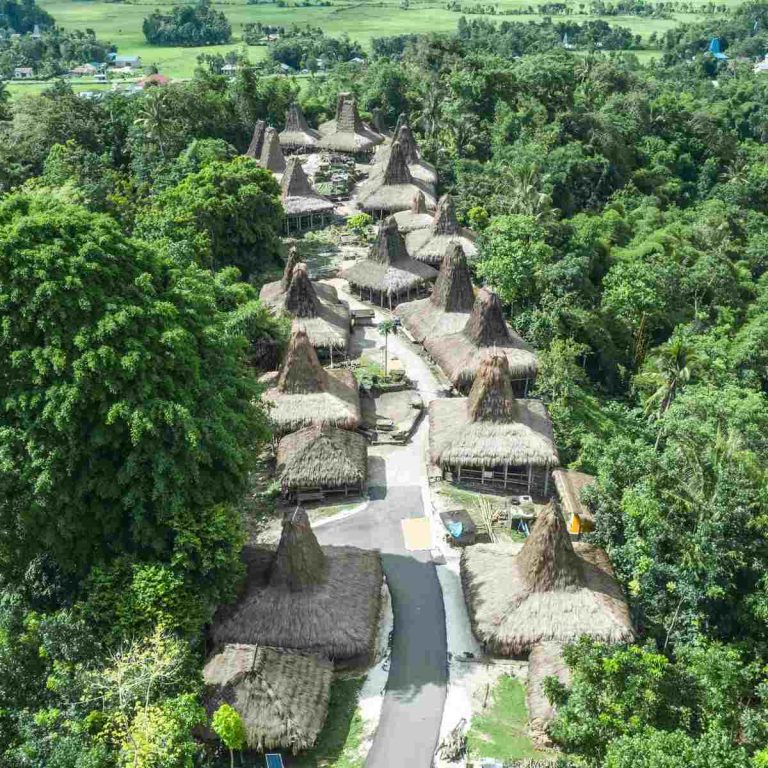
- Visit several traditional hilltop villages across West and Southwest Sumba, noting differences in layout and the continuing role of megalithic tombs.
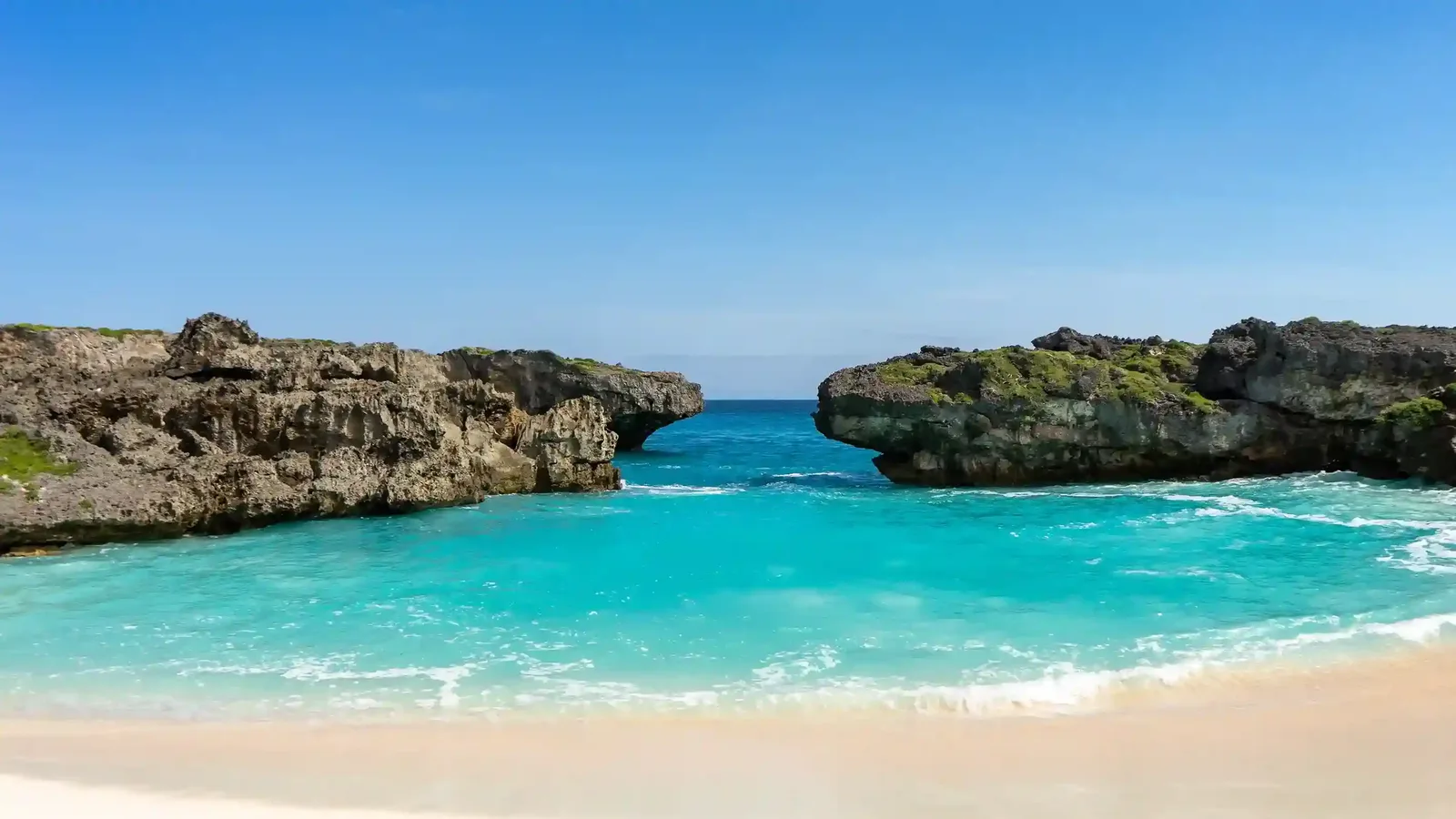
- Split multiple days between different beaches, lagoons, and short coastal walks.
- Spend one lighter day closer to your lodge to simply enjoy the property, ride horses if offered, or visit a nearby weaving group.
On the east side over ~5 days, your rhythm may look more like:
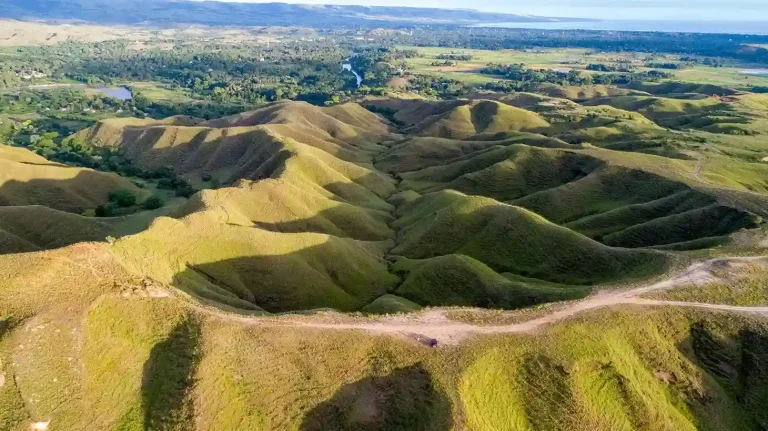
- Driving across wide savannah landscapes with occasional stops in villages, particularly if your visit aligns with preparation or aftermath of Pasola in eligible months.
- Time on east-coast beaches and coastal viewpoints, with options for modest hiking if conditions are right.
- One more immersive day around local markets or weaving centres near Waingapu.
We have separate pieces outlining sample 5-day skeletons on each side; those are linked from our logistics pillar if you want to compare shapes once you’ve picked your day-count.
7 days in Sumba (6–7 nights): connecting west and east
Once you reach 6–7 nights, an island-crossing route becomes realistic without feeling compressed.
You can:
- Arrive in Tambolaka, spend 3–4 nights exploring West and Southwest Sumba, then cross overland to
- Finish in Waingapu, with 2–3 nights in East Sumba before your onward flight.
This arc has three advantages:
- Gradual deepening of exposure – Many travellers find it helpful to start in the slightly more visited west, then shift into the quieter east once they’re acclimatised.
- Varied landscapes – From beach-fringed west to treeless hills and plains in the east, with glimpses of the interior during the drive.
- Routing efficiency – You are not backtracking to your entry point; you are using both airports, which often integrates well with wider Indonesia itineraries.
Seven nights also leaves space for one relatively unscheduled day, where you can revisit a place that resonated, or simply stay put. That margin is what often turns a “good” trip into a trip that actually feels like Sumba rather than a checklist.
For travellers already leaning toward an island arc, we publish a separate 7-day framework that drills more into day-by-day logistics and sequencing; this duration-focused guide is intended to help you decide whether 7 nights is warranted in the first place.
West-focused vs east-focused vs full-island stays
Once you have a rough day-count, the next decision is orientation: one side or both. Each has its own pacing profile.
West & Southwest Sumba focus
A west-focused trip usually centres around:
- Tambolaka Airport as your entry/exit.
- Lodges scattered through West and Southwest Sumba, often with convenient access to a mix of beaches and villages.
Pacing advantages:
- Shorter airport transfers to many properties.
- Several key sites can be strung together in half-day loops, returning to the same base.
- Less time spent on long, exposed drives across interior savannah.
Recommended durations:
- 3–4 nights – acceptable if Sumba is one part of a larger Nusa Tenggara route.
- 5–6 nights – gives you time to see marquee sites and quieter pockets, repeating a favourite beach at different tides or light.
This is often the best entry answer to “how many days in Sumba” for families or travellers sensitive to long overland days.
East Sumba focus
An east-focused trip typically uses:
- Waingapu Airport as your main gateway.
- Lodges and guesthouses that open out onto savannah, coastal plains, or east-coast beaches.
Pacing profile:
- Distances between some key villages, viewpoints, and coastal areas can be longer than on the west side.
- The feel is more open and raw, with fewer built-up facilities.
- You may spend longer stretches in the car, but often with expansive views and the option to stop spontaneously for photos or roadside snacks.
Recommended durations:
- 4–5 nights – enough for a meaningful introduction to East Sumba’s landscapes and village culture, plus some unhurried coastal time.
- 6–7 nights – for those especially interested in ritual life, weaving traditions, or if your dates coincide with Pasola periods and you want time to absorb pre- or post-festival rhythms.
Full-island: west + east in a single arc
A full-island approach links both halves, typically:
- Arrive Tambolaka → depart Waingapu, or the reverse.
- Use one overland crossing day as a feature, not just a transfer, with planned stops.
Minimum sensible length:
- 7 nights is the lower end that preserves some breathing room.
- 8–10 nights is preferable if:
- You enjoy slow village visits.
- You want some unscheduled or “at-lodge” days.
- You’re travelling with children or older family members who need rest time.
Pros:
- Clear sense of Sumba’s geographic and cultural gradients.
- Often easier to match flights onward to Bali, Flores, or Kupang depending on your broader plan.
Trade-offs:
- More moving pieces and one long transit day in the middle.
- Slightly higher overall vehicle hours vs. a single-side stay.
If you’re undecided between “depth on one side” and “range across the island,” we can help you evaluate both against your actual dates and family profile; just plan your trip and mention you’re weighing west-only vs. crossing, and we can follow up via WhatsApp.
How your style of stay changes the ideal duration
Two travellers can spend the same 5 days in Sumba and experience entirely different paces, depending on where they stay and how self-contained the property is.
Resort-based vs itinerant stays
Broadly, you’ll choose between:
- Resort-style bases – properties with substantial on-site amenities (pools, spa, horses in some cases, direct beach access, more extensive dining).
- Itinerant or “itinerary-first” stays – simpler accommodation where the focus is on being out in the field each day.
If you lean resort-first:
- You will want at least one full “no-car” day at the property.
- On excursion days, you may prefer one main outing (e.g., a village visit or a beach-hopping arc), then back to relax.
- This usually means 4–5 nights minimum, even for a west-only or east-only focus, so that you are not constantly in transit.
If you lean exploration-first:
- You can use shorter stays (e.g., 3–4 nights) more aggressively, especially if you are comfortable with multi-hour drives.
- A 7–8-night full-island traverse becomes viable without feeling like too much down-time, because you value new terrain each day.
We tend to advise:
- Families with younger children: increase the night-count or reduce the moving parts. Aim for 5+ nights in one base or 7+ nights with only one change of base.
- Photographers and culture-focused travellers: lean toward 7–10 nights, especially if you want dawn and dusk in different landscapes and the ability to revisit sites.
Season and daylight considerations
Sumba’s dry season generally runs April–October, with shoulder and wet periods outside that. While exact rainfall and wind can vary by micro-region and year, for planning duration:
- Dry season: roads are usually more reliable; combining west and east in 7 nights is realistic.
- Wet season / shoulder months: allow an extra night or two if your plan relies on unpaved access roads or longer coastal drives, as heavy rain can slow things substantially.
Longitudinally, Sumba’s daylight hours stay relatively stable across the year, but:
- Starting activities early (immediately after breakfast) and embracing midday rest helps you get more out of each full day, especially in hotter months.
- If you prefer later starts and longer, slower lunches, that’s another reason to increase the overall night-count.
So, how many days in Sumba do you need?
Putting this together into a simple decision guide:
- 2–3 nights
- Only if Sumba is a short add-on to a longer Indonesian trip and you are happy with a brief taster on one side.
- 4–5 nights
- The practical minimum we recommend for a comfortable, single-side stay (west/southwest or east), especially for first-time visitors.
- 6–7 nights
- The ideal length Sumba trip for travellers wanting to bridge west and east once, using both airports, but still maintain a relaxed pace.
- 8–10 nights
- For those who value slower travel, unscheduled days, and deeper village immersion; allows both sides and some room for weather.
- 10+ nights
- For returning guests, long-stay remote workers, or anyone choosing Sumba as their primary destination rather than one stop in a broader circuit.
If you already have fixed international flights and are trying to fit Sumba in around them, share your dates and entry/exit points and we can model one or two realistic options. If your dates are still open, we usually start by sketching the rest of your Indonesia plan and then deciding how many days in Sumba harmonise with the whole arc.
You can plan your trip with us for free; no one can pay to change what we publish, and if you proceed with our vetted partners they may pay us a referral fee at no extra cost to you. Most of our tailoring conversations move to WhatsApp once we’ve understood your priorities.
FAQs
Is 3 days in Sumba enough?
Three days (2–3 nights) is only enough for a brief taster on one side of the island. You can visit a couple of villages and one or two beaches near your base, but you will not be able to connect west and east or explore more remote corners comfortably.
How many days in Sumba for a first visit?
For a first visit, we recommend 4–5 nights on one side of the island as a minimum. If you have 6–7 nights, you can consider an arc that starts in Tambolaka, ends in Waingapu, and crosses the island once without rushing.
Can I see both west and east Sumba in 5 days?
You can technically touch both halves in 5 days, but the experience tends to feel compressed, with a lot of time in the vehicle. For a balanced west–east trip, 7 nights is a more realistic minimum; 8–10 nights is better if you value unhurried days.
What is the best month and duration to visit Sumba?
The drier months from roughly April to October generally offer more reliable road and beach conditions. In that window, 5 nights works well for a single-side stay, and 7–9 nights for a full-island route. Outside dry season, consider adding an extra night to absorb potential weather-related delays.
How long should families stay in Sumba?
For families, we suggest 5–7 nights as a baseline, ideally with no more than one change of base. That gives time for slower starts, pool or beach time at your lodge, and rest days between longer village or landscape excursions.