Sumba vs Bali: Which Island Is Right for You?
Calm, honest guide to decide Sumba or Bali for holiday, comparing crowds, culture, surf, logistics and how to combine both islands in one trip.
14 min read
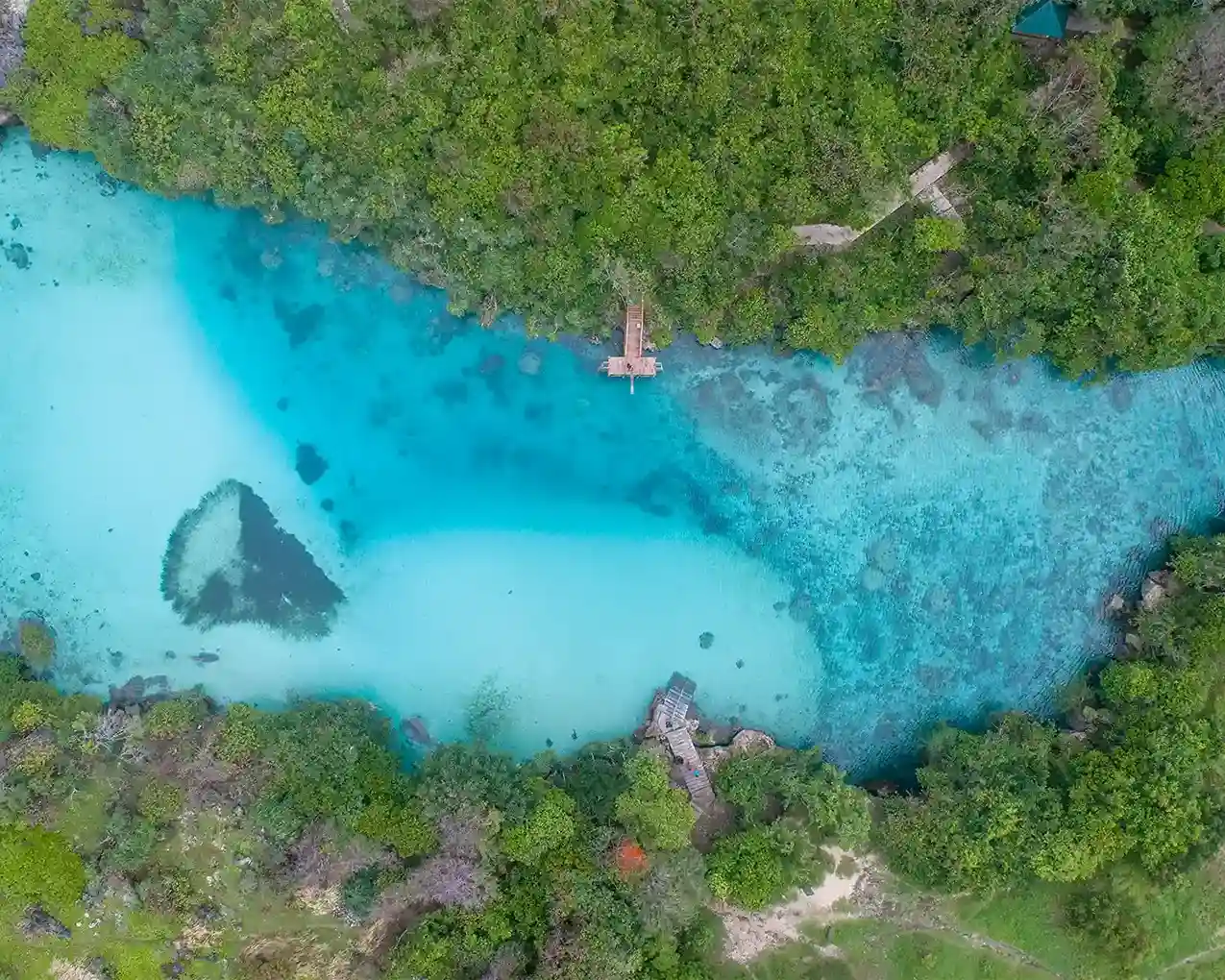
Choosing Sumba or Bali for holiday is less about which island is “better” and more about which context you prefer: ease and variety, or seclusion and raw edge. In practice, many high‑net‑worth travelers use Bali as their gateway, then add Sumba as the quieter, wilder chapter of the same journey.
In this piece we map out the core Sumba versus Bali trade‑offs: atmosphere and crowds, access and internal logistics, hospitality maturity, cultural depth, beaches and surf, and which island tends to work best for different traveler profiles. Our aim is to help you decide if you should focus on one, or plan a thoughtful combination.
Sumba vs Bali: The core idea in one paragraph
Bali rewards travelers who want frictionless variety: a dense mix of luxury resorts and villas, polished dining, beach clubs, yoga, galleries, and quick transfers. Sumba rewards those who are willing to trade that convenience for space, silence, and a largely intact traditional culture. If you want a single-island base with every comfort and option, Bali wins. If you want dramatic empty beaches, village life that still runs on ancestral calendars, and the feeling of being far away from everything, Sumba is the answer.
Vibe & crowds: How each island feels on the ground
Bali: Layered, energetic, highly curated
Bali is one of Asia’s most developed leisure islands. Denpasar (Ngurah Rai International, DPS) handles large volumes of direct international flights, and the island has had decades to refine its tourism ecosystem. That shows immediately in the atmosphere.
- South Bali (Seminyak, Canggu, Uluwatu): High energy, dense villa and resort inventory, beach clubs, live music, and traffic that can turn short distances into 45‑90 minute drives at peak times.
- Ubud and central highlands: Wellness, art, design hotels, and a creative expat community. Still busy, but more leafy than coastal south.
- North and east Bali: Slower pace, fewer crowds, but still connected by paved roads, ATMs, and relatively easy access to services.
The cultural aesthetic in Bali is curated and highly photographed. Rice terraces, temples, and ceremonies are real, but you are rarely alone with them. Expect an island that knows how to host visitors at scale, with all the energy and compression that implies.
Sumba: Space, quiet, and a sense of remoteness
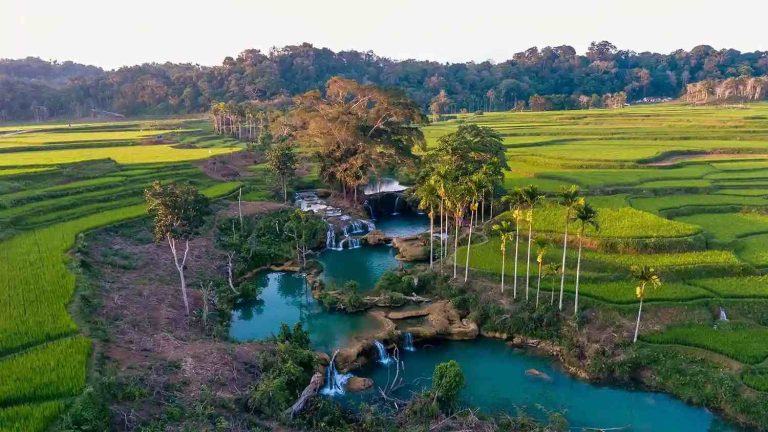
Sumba, by contrast, has a fraction of Bali’s visitor numbers and infrastructure. Away from a handful of resorts and Waingapu/Waikabubak towns, you encounter long stretches of road with almost no development, then an entire bay with no one in view.
- Soundscape: Waves, wind in lontar palms, motorbikes now and then, village roosters, church bells or gongs. Very little nightlife.
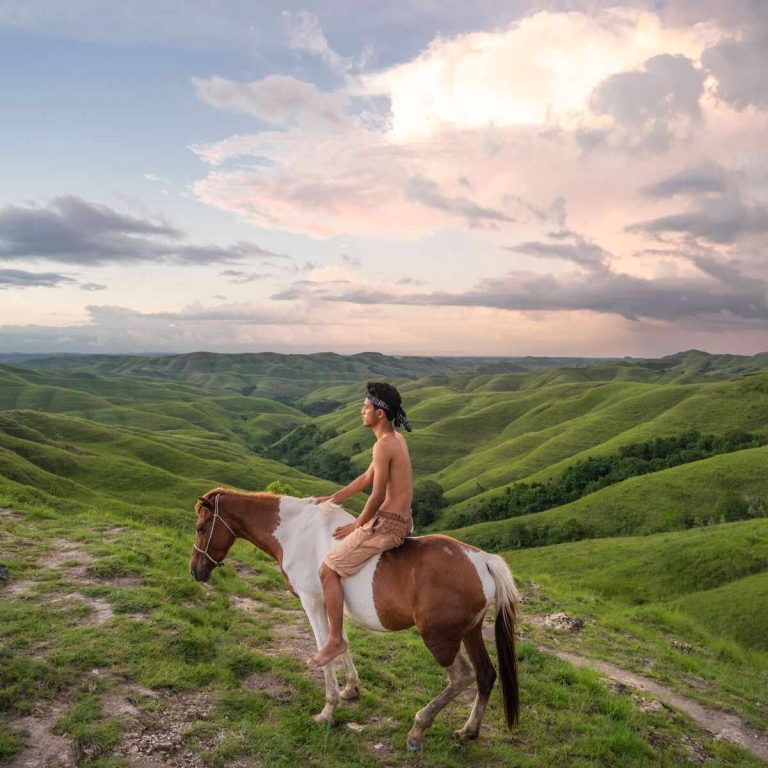
- Rhythm: Days shaped by tides, ceremonies, small markets, horse‑riding, and long drives between points of interest.
- Social feel: You are often the guest of a place first, a tourist second. That changes how you move and interact.
For travelers seeking a quieter alternative to Bali, this “dramatic emptiness” is the point. You sacrifice restaurant choice and instant services for the luxury of almost‑no‑one‑else.
Getting there & internal travel
Access to Bali
Bali (DPS) is the primary air hub for Indonesia’s leisure travel, with frequent direct or one‑stop connections from major Asian, Middle Eastern, and Australian cities, plus some seasonal European routes. Private aviation services and FBO support are established. Once you clear the airport, you are at your hotel in much of south Bali within 30–60 minutes, traffic permitting.
Access to Sumba
Sumba has two commercial airports:
- Tambolaka (TMC) in Southwest Sumba
- Umbu Mehang Kunda / Waingapu (WGP) in East Sumba
There are no international flights direct to Sumba. You route through Bali (DPS), Jakarta (CGK) or other Indonesian hubs, then connect on a domestic flight. As of our last review, Bali–Sumba flights typically take around 1 hour to 1 hour 15 minutes on local carriers, depending on routing and aircraft; schedules and reliability fluctuate seasonally, so timings must be re‑checked close to travel.
Transfer times and road conditions
Travel times on each island feel very different:
- Bali: Shorter geographic distances, but congestion in the south. Most paved roads; many cars, taxis, and ride‑hailing options.
- Sumba: Fewer vehicles, more open roads, but longer drives between key beaches and villages. Some sections rough or unlit at night. Self‑drive is not advisable for first‑time visitors; private transport is standard.
| Item | Bali | Sumba |
|---|---|---|
| Primary airport | Ngurah Rai International (DPS) | Tambolaka (TMC), Waingapu (WGP) |
| International access | Direct and one‑stop from major hubs | Via Bali, Jakarta or other Indonesian cities |
| Typical DPS → Sumba flight duration | – | ~1–1h15m (check current schedules) |
| Car availability | Abundant taxis, ride‑hailing, chauffeurs | Pre‑booked private cars via hotels/partners |
| Drive time airport → main resort zones | DPS → Seminyak/Canggu: ~30–75 min (traffic‑dependent) | TMC/WGP → coastal resorts/villas: ~45–120 min, road‑dependent |
If you are considering a Sumba Bali comparison travel plan, expect Bali to feel logistically light and Sumba to require more lead time and coordination. Our role at Sumba Private is to map those transfers clearly and introduce you to vetted on‑ground partners; no one can pay to change what we publish, and if you proceed with our partner they may pay us a referral fee at no extra cost to you.
For a deeper breakdown on routes and timings, see our Sumba access and flight guide, or plan your trip with us directly over email or WhatsApp.
Stays & dining: How mature is the hospitality scene?
Bali: Every tier from villas to ultra‑luxury resorts
Bali’s accommodation landscape is dense and diversified:
- Multiple internationally recognised luxury resorts across south Bali, Ubud, and quieter regions.
- Extensive private villa inventory, from compact one‑bedroom retreats to staffed estates suitable for multigenerational families and groups.
- Well‑developed mid‑range and boutique hotel sector for support staff, pilots, or shorter stays.
Dining is equally layered: from local warungs to destination fine‑dining, plant‑based kitchens, and chef‑driven tasting menus. Dietary needs (gluten‑free, vegan, etc.) are widely understood in the main centers.
Sumba: Fewer keys, higher privacy, and simpler food
Sumba has far fewer rooms overall, and a high proportion of them sit in the premium and luxury brackets. You find:
- Remote coastal resorts and lodges with limited key counts, emphasizing privacy and space.
- A small number of design‑forward boutique stays and private‑use houses in select locations.
- Basic hotels and guesthouses in Waingapu, Tambolaka, Waikabubak used mainly for overnights or transit.
Food on Sumba is generally simpler and more local: fresh fish, rice, vegetables, and seasonal fruit. The top properties can offer sophisticated menus and handle most dietary preferences with prior notice, but you will not find Bali’s breadth of independent restaurants, cafés, and bar culture scattered across the island.
On pure hospitality maturity, Bali is ahead. On privacy per guest and sense of remove, Sumba wins decisively.
Culture & authenticity
Bali: Extroverted ritual life, tuned to tourism
Bali’s Hindu culture is visible and expressive: daily offerings, temple ceremonies, processions, dances. Many cultural experiences are shaped in part around visitors—staged performances, set visiting hours, and well‑trodden temple circuits.
This makes Balinese culture accessible. You can see a range of rituals even on a short stay, with English‑speaking guides to interpret. The trade‑off is that you are rarely the only observer, and parts of the experience are inevitably choreographed around international expectations.
Sumba: Living traditions, less mediated
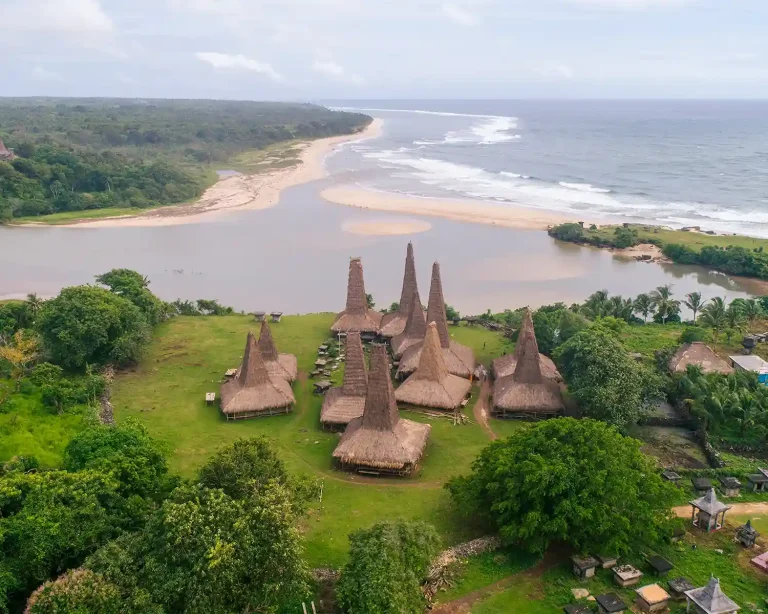
Sumba’s Marapu belief system, megalithic tombs, and clan‑based villages form one of Indonesia’s most distinctive cultural landscapes. In many communities, ceremonial life is still set by traditional calendars, with events such as funerals, house‑buildings, and the Pasola season in parts of West Sumba.
Here, culture is not performed for visitors; visitors are occasionally permitted to witness culture in motion. That distinction matters. Decorum is non‑negotiable: respectful dress, modest photography, and clear introduction via local intermediaries.
Guided appropriately, Sumba can feel more “untouched” than Bali, but that word oversimplifies the reality. Sumba is changing too—through roads, phones, churches, and schools. The difference is that you see those transitions up close, rather than through a curated cultural show.
For more context on etiquette and village visits, see our Sumba itinerary and culture planning guide.
Beaches, water, and surf
Bali: Accessible variety, but rarely empty
Bali’s coastline is diverse within a compact area:
- South and southwest: Long, surfable beaches with developed strips, surf schools, and beach clubs.
- Bukit peninsula: Cliff‑top resorts, reef breaks, and smaller coves, some requiring stair descents.
- East and north: Calmer waters and easier snorkeling access in selected spots, plus access to nearby smaller islands for diving excursions.
Most accessible beaches share one trait: company. Even quieter stretches have vendors or other visitors, particularly in high season.
Sumba: Wild coasts, long walks, and selective surf
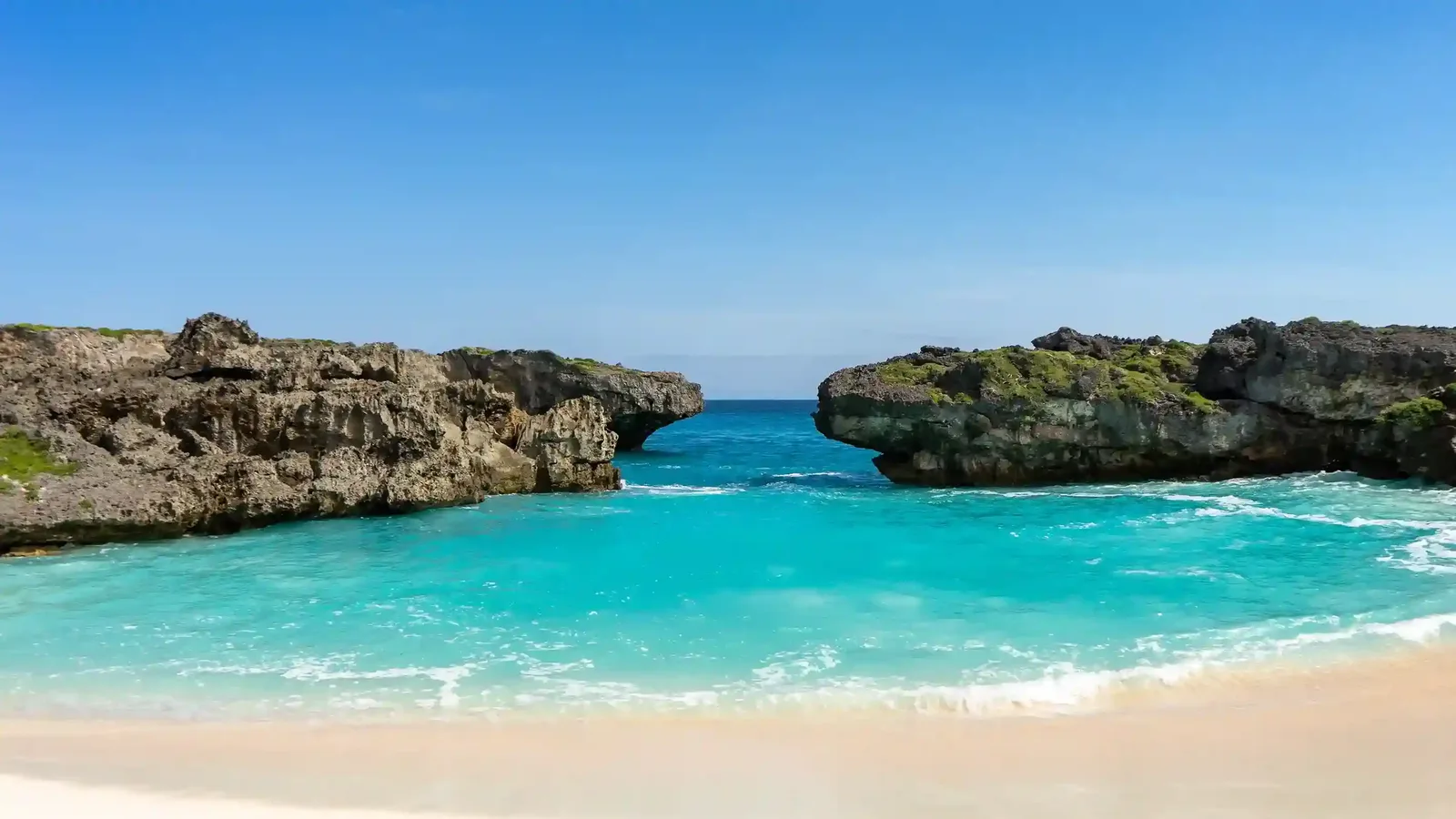
Sumba’s coastline runs to broad arcs of sand, headlands, and river mouths with very limited development. You can walk for an hour with only horses or fishermen in view. Swimmers and surfers should factor in:
- Ocean character: Often exposed and energetic, with strong currents in some areas. Lifeguards are rare; local knowledge is essential.
- Surf: Certain sections host quality waves with limited crowding, but access, reefs, and logistics mean they suit intermediate‑to‑advanced surfers who are comfortable in remote environments and guided by experienced operators.
- Snorkeling/diving: Opportunities exist, but facilities and boat options are far less developed than Bali’s satellite islands. Trips should be planned with operators who understand both conditions and permits.
If your priority is easy daily swimming and casual water sports with children, Bali is usually more straightforward. If you value solitary dawn walks on sand that shows only your footprints, Sumba is difficult to beat.
Families, couples, surfers, culture‑seekers: Which island fits whom?
| Traveler type | Bali | Sumba |
|---|---|---|
| First‑time Indonesia visitor | Often the easier first base: direct flights, wide choice, smoother logistics. | Best as a second or third stop for those comfortable with internal flights and slower pace. |
| Couples seeking privacy | Strong villa and adults‑oriented resort options, but with nearby activity and dining. | Exceptional sense of seclusion and romance if you value emptiness over nightlife. |
| Families with young children | Better access to medical care, supermarkets, kids’ clubs, and varied activities. | Works for prepared families wanting nature and quiet time; requires more planning. |
| Multi‑generational groups | Wide range of large villas, varied day‑trip options for different energy levels. | Ideal for time together, fewer separate distractions; must be comfortable with shared schedules. |
| Intermediate surfers | Plenty of surf schools and accessible breaks; social scene on land. | Some excellent, less‑crowded waves, but more technical and logistically involved. |
| Advanced surfers | Reliable waves and infrastructure; can be crowded at peak spots. | Rewarding if you prioritize quality over quantity of sessions and accept remoteness. |
| Culture‑seekers | Highly visible rituals, museums, galleries; more interpretive support. | Rawer, less mediated culture; requires sensitivity and usually a guide or fixer. |
| Remote‑work + holiday | Cafés, co‑working, 4G/5G in main areas; stable electricity. | Not designed for workations; connectivity can be inconsistent outside towns and top resorts. |
How much time do you need on each island?
Sample allocations
For a combined Sumba Bali itinerary, we typically see:
- 10–12 nights total: 6–8 nights Bali, 4–6 nights Sumba.
- 14+ nights total: 7–9 nights Bali, 5–7 nights Sumba, sometimes split between east and west.
This reflects the very different cadences. Bali lends itself to shorter stays with many activities; Sumba takes a day or two to decompress into, after which time slows in a way that rewards slightly longer visits.
Budget shape (indicative only)
We do not publish fixed price lists—rates move by season and operator—but as a directional guide (last verified June 2026):
- Bali: You can find everything from well‑priced boutique hotels through to ultra‑luxury suites and villas with nightly rates in line with other leading Asian resort destinations.
- Sumba: The top properties sit firmly in the high‑end and luxury space, reflecting limited inventory and logistics costs. More basic local hotels are available in towns at lower rates, but they serve a different style of trip.
Transfers, private guiding, and certain cultural permissions can be significant line items on Sumba relative to Bali, simply because distances are larger and services more bespoke. We can help you shape a realistic budget envelope before you commit to specific dates or properties.
Why many travelers choose both: Bali as gateway, Sumba as counterpoint
Typical sequence
A common high‑net‑worth pattern is:
- Arrive Bali: 3–5 nights in a south‑coast or Ubud property to recover from long‑haul, adjust to time zone, and enjoy food and spa.
- Fly Bali → Sumba: 4–7 nights in one or two Sumba bases, focusing on beaches, riding, or village‑linked experiences.
- Return to Bali: 1–3 nights to decompress, shop, or meet friends before onward flights.
Why this works
- Logistics: Bali is the natural consolidation point for international and domestic flights in and out of Sumba.
- Contrast: Experiencing both islands in one arc makes Sumba’s quiet more legible, and Bali’s polish more appreciated.
- Resilience: If domestic schedules change, Bali gives you buffer days, alternative diversions, and medical support if needed.
If you would like a neutral view on how many nights to allocate, or which part of Sumba best complements your chosen Bali base, you can plan your trip with us—our team is reachable by email or WhatsApp for structured planning, including introductions to vetted Bali‑side partners.
So: Sumba or Bali for holiday?
If you must choose one island only, the decision can be distilled:
- Choose Bali if you want ease, breadth of options, highly developed hospitality, and minimal internal friction.
- Choose Sumba if you value space over choice, living culture over staged experiences, and are willing to accept a more complex logistics picture in exchange for that.
If your time and appetite allow, the most satisfying answer to the Sumba versus Bali question is often “both, but for different reasons.” Bali for the soft landing and variety; Sumba for the quiet that stays with you long after you leave.
Is Sumba a quieter alternative to Bali?
Yes, Sumba is markedly quieter than Bali in visitor density, nightlife, and general development. Away from a small number of resorts and towns, you encounter long empty beaches and rural landscapes with minimal tourism footprint. The trade‑off is fewer services, more driving, and the need for careful advance planning.
Can I visit Sumba as a Bali side trip?
Yes. With domestic flights of roughly 1–1h15m from Bali to Sumba (subject to current schedules), many travelers treat Sumba as an add‑on. You should allow at least four nights on Sumba to justify the extra flights and transfers. We recommend building in buffer nights in Bali before your international departure to absorb any schedule adjustments.
Is Sumba suitable for young children?
It can be, for families who are comfortable with remoteness and simpler infrastructure. Some higher‑end properties on Sumba are family‑friendly and can arrange age‑appropriate activities, but you will not find Bali’s volume of kids’ clubs, playground cafés, or medical facilities. Very young or medically fragile children are generally better served by basing primarily in Bali.
How many days do I need in Sumba compared to Bali?
If you are doing both, think in ratios rather than fixed numbers. For a 10‑ to 12‑night holiday, a common split is 6–8 nights in Bali and 4–6 nights in Sumba. If you extend to two weeks or more, adding extra nights to Sumba allows you to explore more than one region or simply sink into a slower rhythm without feeling rushed.
Can Sumba match Bali’s luxury level?
In terms of privacy, space, and sense of remove, top‑tier Sumba properties more than match high‑end standards. What Sumba does not replicate is Bali’s density of independent restaurants, shopping, nightlife, and spa options surrounding your resort. Think of Sumba’s luxury as “remote, self‑contained, and experience‑driven” versus Bali’s “plug‑and‑play variety.” If you would like help pairing specific Sumba stays with Bali properties that match your expectations, plan your trip with us via email or WhatsApp for tailored introductions.