Sumba and Malaria: General Health Information for Travelers
Prepare for Sumba with essential sumba malaria precautions. Our guide offers general health information on malaria risk, bite prevention, and when to consu
11 min read
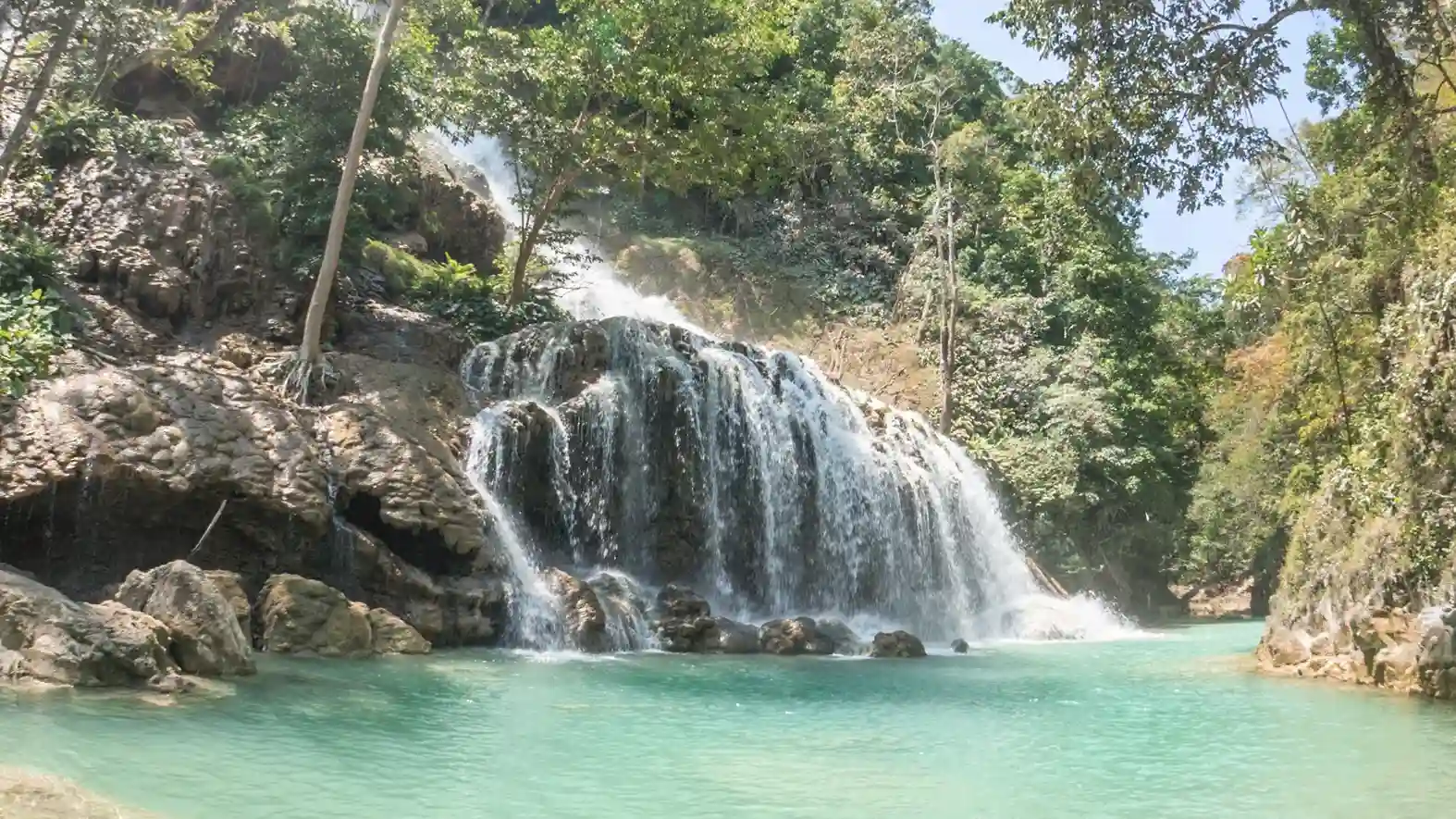
We understand that discerning travelers prioritize well-being. When considering a journey to Sumba, understanding general health considerations, particularly regarding sumba malaria precautions, is paramount. Malaria is present in parts of Nusa Tenggara Timur (NTT), including Sumba, and we advise all travelers to consult a qualified travel health clinic or their personal doctor about appropriate prophylaxis and robust bite-prevention strategies well in advance of their departure. This document offers general health information, not medical advice.
Important Disclaimer: The information provided within this guide is for general informational purposes only and does not constitute medical advice. It is not intended to be a substitute for professional medical advice, diagnosis, or treatment. Always seek the advice of a qualified healthcare professional, such as a travel health clinic or your personal physician, for any questions you may have regarding your health or medical conditions, especially before making decisions about your travel health plan. We are not medical providers and cannot offer medical recommendations or advice on specific medications or dosages.
Understanding Malaria Presence in Sumba
Sumba, like other islands within the Indonesian archipelago, exists within a region where malaria transmission occurs. The designation “present in parts of NTT including Sumba” indicates that while malaria is not uniformly distributed across the island, and specific areas may carry varying levels of risk, the potential for exposure exists. Our objective is to provide objective information for travelers to make informed decisions with their medical professionals.
The nature of malaria presence in Sumba is often characterized by its endemicity in certain rural or remote areas, particularly those with less developed infrastructure or in regions experiencing higher rainfall. Unlike some urban centers in Indonesia where malaria may be negligible, Sumba’s unique environment, with its expansive landscapes and traditional villages, means that malaria risk Sumba is a factor that responsible travelers must consider. Public health initiatives in Indonesia have made significant strides in malaria control over the past decades, yet pockets of transmission persist. We approach this topic with candor, acknowledging the reality without generating undue alarm. Our commitment is to precise information, allowing you to prepare thoroughly.
Effective Mosquito Bite Prevention Strategies
Preventing mosquito bites is the cornerstone of malaria prevention, irrespective of whether antimalarial medication is prescribed. The mosquitoes responsible for malaria transmission, primarily Anopheles species, are most active between dusk and dawn. Employing a multi-faceted approach to bite prevention significantly reduces your sumba mosquito health risks and enhances overall comfort during your travels.
Repellents: Your First Line of Defense
Selecting an effective insect repellent is crucial. We recommend products containing one of the following active ingredients, as recognized by health authorities globally:
- DEET (N,N-diethyl-meta-toluamide): Concentrations between 20-50% are generally recommended for adults, providing several hours of protection. Higher concentrations do not offer significantly longer protection, but can be useful in areas of very high risk.
- Picaridin (KBR 3023): Also known as Icaridin, this ingredient is effective and often preferred by those who find DEET’s odor or feel unpleasant. Concentrations of 20% or higher are effective.
- Oil of Lemon Eucalyptus (OLE) or PMD: A plant-based option, OLE (p-menthane-3,8-diol) is effective but typically offers shorter duration of protection than DEET or picaridin. It should not be used on children under three years of age.
- IR3535: While effective, it generally provides shorter protection times compared to DEET or picaridin.
Always apply repellent to exposed skin after sunscreen. Reapply according to the product’s instructions, especially after swimming or heavy perspiration. For children, adult supervision during application is advised, avoiding hands and around the mouth and eyes.
Protective Clothing: A Physical Barrier
Wearing appropriate clothing, particularly during peak mosquito activity hours (dusk till dawn), provides a physical barrier against bites.
- Long Sleeves and Trousers: Opt for lightweight, loose-fitting clothing that covers as much skin as possible. Fabrics such as linen or light cotton are comfortable in Sumba’s tropical climate.
- Light Colors: Mosquitoes are believed to be attracted to darker colors. Choosing light-colored clothing may offer a marginal advantage.
- Permethrin-Treated Clothing: For added protection, clothing, mosquito nets, and gear can be treated with permethrin. This insecticide repels and kills mosquitoes on contact. Do not apply permethrin directly to skin. Pre-treated clothing is also available and maintains its efficacy through multiple washes.
Evening Practices and Accommodation Choices
Your environment plays a significant role in bite prevention. Thoughtful choices and practices can greatly minimize exposure.
- Staying Indoors: During dusk and dawn, when Anopheles mosquitoes are most active, minimize time spent outdoors. If outdoor activities are unavoidable, ensure maximum personal protection.
- Mosquito Nets: If your accommodation does not have air conditioning or fully screened windows and doors, sleeping under an insecticide-treated mosquito net is a critical precaution. Ensure the net is intact, tucked under the mattress, and free of gaps.
- Air Conditioning and Screens: Air-conditioned rooms often deter mosquitoes. Rooms with well-maintained window and door screens provide an effective barrier. Always ensure screens are closed, and doors are not left ajar.
- Mosquito Coils and Vaporizers: These can offer some localized protection in outdoor or semi-open spaces, but should not replace personal repellents or protective clothing.
- Key Considerations for Mosquito Bite Prevention
-
A comprehensive approach integrates multiple strategies, tailored to your itinerary and personal preferences. Understanding the specific timings of mosquito activity and the effectiveness of various repellents empowers you to protect yourself effectively.
- Repellent Type and Concentration: Select DEET (20-50%), Picaridin (20%+), or OLE/PMD.
- Application Frequency: Reapply as directed, especially after water exposure or heavy sweating.
- Clothing Choices: Prioritize long, loose, light-colored garments. Consider permethrin treatment.
- Peak Activity Hours: Be most vigilant during dusk and dawn.
- Accommodation Security: Utilize intact screens, air conditioning, or treated bed nets.
Considering Antimalarial Prophylaxis for Sumba Travel
The question do you need malaria pills Sumba is a complex one, and the definitive answer can only come from a qualified medical professional. Our role is to provide the context for that discussion. Antimalarial prophylaxis involves taking medication before, during, and sometimes after your trip to prevent malaria infection from developing into illness. It is not a vaccine and does not guarantee complete protection but significantly reduces the risk of symptomatic malaria.
The decision to prescribe antimalarial medication is highly individualized and is based on a thorough assessment of several factors:
- Your Itinerary: The specific regions within Sumba you plan to visit. While we generally advise caution for the island as a whole, some areas may carry a higher or lower risk profile.
- Duration of Stay: Longer stays may increase cumulative exposure risk.
- Type of Travel: Whether you will be staying in urban centers, coastal resorts, or engaging in more immersive, rural experiences.
- Season of Travel: Malaria transmission can sometimes vary with the rainy season, though this is not a universal rule and should not be the sole determinant.
- Individual Health Profile: This includes your medical history, existing health conditions, allergies, and any other medications you are currently taking. Some antimalarial drugs are not suitable for individuals with certain medical conditions or can interact with other medications.
- Age and Pregnancy Status: Certain antimalarials are contraindicated for young children or pregnant women.
- Tolerance for Side Effects: All medications carry potential side effects, and your doctor will discuss these in relation to your personal tolerance.
A consultation with a travel health clinic or your doctor typically occurs 4-6 weeks before travel to allow time for prescription, proper dosage instruction, and to begin the medication if required (some need to be started weeks in advance). They will review the malaria risk Sumba in detail and recommend the most appropriate prophylaxis, if any, for your specific circumstances. We reiterate that this is a medical decision that falls outside our purview.
Recognizing Malaria Symptoms and Post-Travel Care
Even with diligent precautions and appropriate prophylaxis, it is important to be aware of the signs and symptoms of malaria. Early diagnosis and treatment are critical for a full recovery and to prevent severe complications.
Common Symptoms of Malaria
Malaria symptoms often mimic those of a common flu, which can lead to misdiagnosis if travel history is not shared. Symptoms typically appear 7 days or more after being bitten by an infected mosquito, but can emerge weeks or even months after returning home.
- Fever: Often cyclic, involving chills followed by a high fever, then sweating.
- Chills: Shaking chills that can be quite intense.
- Headache: Usually severe.
- Muscle Aches and Joint Pain: Generalized body aches.
- Fatigue: Profound tiredness.
- Nausea, Vomiting, and Diarrhea: Gastrointestinal disturbances can occur.
It is crucial to understand that these symptoms can be non-specific. If you experience any of these symptoms during your trip to Sumba or within a year of returning, seek immediate medical attention.
Post-Travel Medical Consultation
If you develop a fever or flu-like illness after returning from Sumba, even if you took antimalarial prophylaxis, it is imperative to see a doctor immediately. Inform your doctor about your recent travel history to Sumba, mentioning the malaria risk Sumba, so that malaria can be considered in the diagnosis. Do not self-diagnose or delay seeking professional medical help. A simple blood test can usually confirm a malaria diagnosis.
General Health Preparedness
Beyond malaria, we encourage a holistic approach to travel health. This includes:
- Routine Vaccinations: Ensure all your routine vaccinations are up to date.
- Travel Vaccinations: Consult your doctor about recommended travel-specific vaccinations for Indonesia (e.g., Hepatitis A, Typhoid).
- First-Aid Kit: Pack a basic first-aid kit with essentials for minor cuts, scrapes, and common ailments.
- Hydration: Sumba’s tropical climate necessitates consistent hydration. Drink plenty of safe, bottled water.
- Food and Water Safety: Practice good food and water hygiene to prevent gastrointestinal issues.
For more detailed guidance on preparing for your Sumba journey, including packing essentials and safety tips, we encourage you to consult our comprehensive Sumba Travel Safety Guide and our What to Pack for Sumba.
Sumba Private’s Role in Your Health-Conscious Journey
At Sumba Private, our mission is to provide independent, authoritative curation and concierge-intelligence for your travels to Sumba. While we are explicitly not a medical provider and cannot offer health advice, we are dedicated to ensuring you have access to the most precise and honest information to facilitate your preparations. Our insights into Sumba’s nuances extend to practical considerations, enabling you to plan a journey that is both enriching and secure.
We can assist in planning your itinerary, ensuring that your accommodation choices align with your preferences for comfort and, where relevant, discuss the general environmental context of different areas on Sumba. We encourage you to weave health consultations into your pre-travel planning, just as you would consider the best time to visit Sumba. Our Best Time to Visit Sumba guide offers further seasonal insights.
We aim to be your trusted advisor, offering clarity without hyperbole. Our independence ensures that no one can pay to change what we publish; if you proceed with our partner they may pay us a referral fee at no extra cost to you. This structure allows us to maintain objective guidance.
Frequently Asked Questions
Is malaria common throughout Sumba?
Malaria is present in parts of Nusa Tenggara Timur, including Sumba. The risk is not uniform across the entire island, with rural and remote areas generally posing a higher potential for exposure compared to some more developed coastal regions. It is essential to discuss your specific itinerary with a medical professional.
Do I need to take antimalarial pills for Sumba?
The decision on whether to take antimalarial prophylaxis (pills) for Sumba is a personal medical decision that must be made in consultation with a qualified travel health clinic or your personal doctor. Factors such as your specific itinerary, duration of stay, medical history, and individual risk tolerance will be considered.
What are the most effective ways to prevent mosquito bites in Sumba?
The most effective ways to prevent mosquito bites include using insect repellent containing DEET (20-50%), picaridin (20%+), or Oil of Lemon Eucalyptus; wearing long-sleeved shirts and long trousers, especially from dusk to dawn; sleeping under an insecticide-treated mosquito net if your accommodation is not fully sealed or air-conditioned; and ensuring screens on windows and doors are intact and closed.
How soon before my trip to Sumba should I consult a doctor about malaria?
We recommend consulting a travel health clinic or your doctor at least 4-6 weeks before your planned trip to Sumba. This allows sufficient time for a comprehensive health assessment, to discuss sumba malaria precautions, obtain any necessary prescriptions (some antimalarials need to be started weeks in advance), and to receive all relevant travel health advice.
What should I do if I feel sick after returning from Sumba?
If you develop a fever or flu-like symptoms after returning from Sumba, even if you took antimalarial medication, you should seek immediate medical attention. Inform your doctor about your recent travel history to Sumba so that malaria can be considered and tested for. Early diagnosis and treatment are crucial for preventing complications.
We encourage you to prioritize your health preparations. For assistance in planning your Sumba journey with these considerations in mind, we invite you to plan your trip with us. Our team is also available via WhatsApp to facilitate your inquiries.