Sumba Honeymoon Ideas Beyond the Obvious
Quietly bold sumba honeymoon ideas for couples who value privacy, wild nature and culture over polish, from beaches and horses to Bali pairing tips.
15 min read
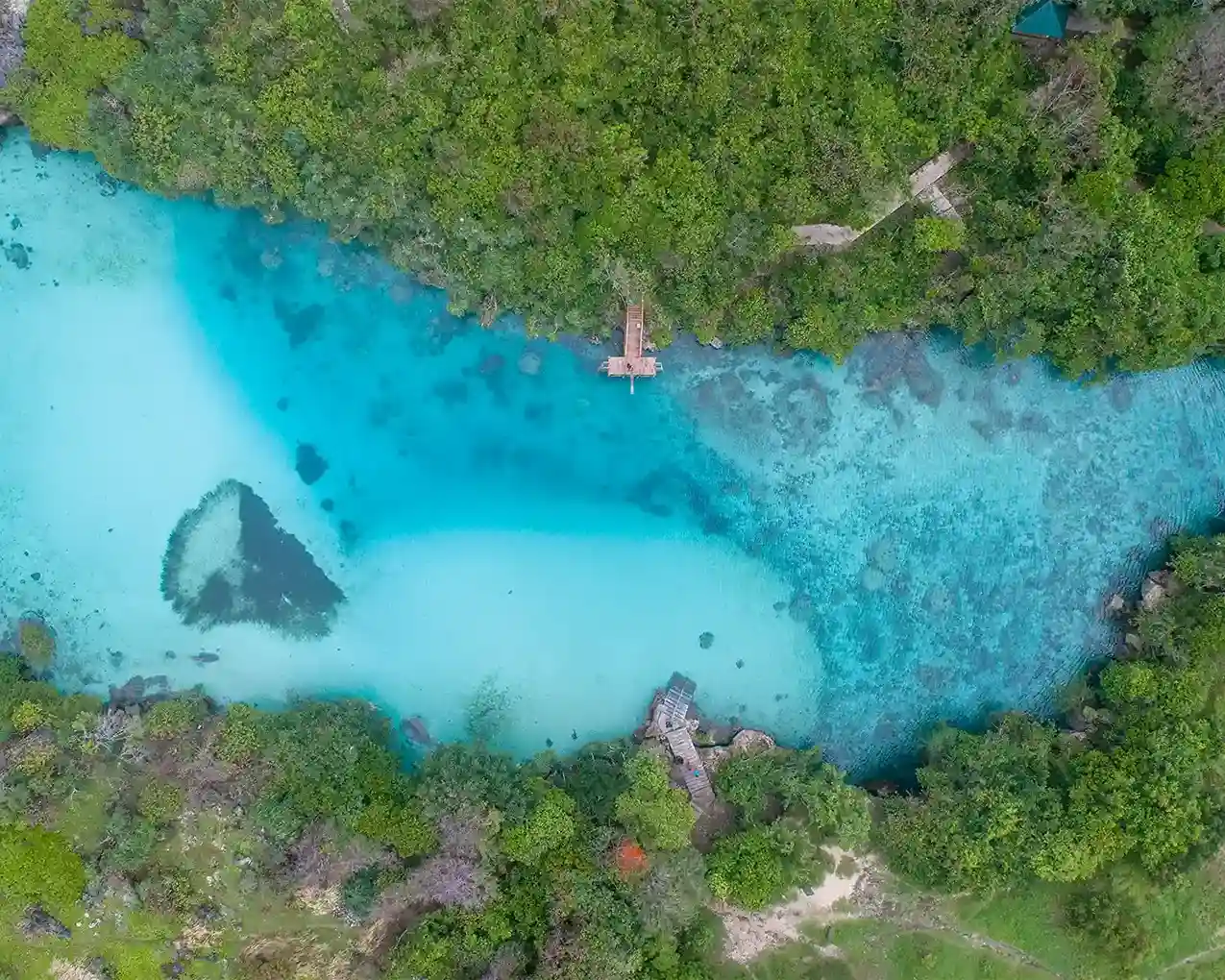
Our best Sumba honeymoon ideas share a common thread: trade easy logistics and nightlife for seclusion, wild landscapes and rare privacy. If you and your partner prefer intimacy and nature over polish and convenience, Sumba can feel less like a resort island and more like your own private world.
Why Sumba Suits a Honeymoon
Sumba is not the obvious choice for a honeymoon. That is precisely why it works for many couples.
Remoteness over convenience
Sumba sits east of Bali in Indonesia’s Lesser Sunda Islands, reached by a domestic flight into Tambolaka (west) or Waingapu (east) via Bali, Jakarta or Kupang. There are no direct international flights, no large resorts lining the shore, and no big beach clubs or malls.
For a honeymoon, this remoteness translates to:
- Very few crowds: Entire beaches often shared with just a handful of people, if any.
- Little nightlife: Evenings are for quiet dinners, starlight and conversation, not bar-hopping.
- A strong sense of escape: Once you land, it feels psychologically far from everyday life.
It is a good fit if your ideal Sumba couples trip is more about long walks and quiet mornings than busy itineraries.
Empty beaches and big skies
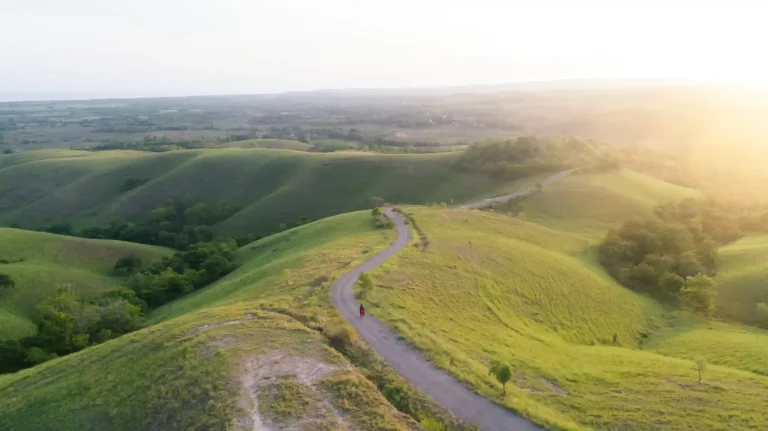
Most of Sumba’s coast remains undeveloped by global hospitality standards. You’ll see long arcs of sand, rocky headlands and pounding surf with only a few warungs or homestays dotting the shore.
For honeymooners, the appeal is simple:
- Space to be alone: You can walk for an hour and meet nobody except a passing rider or fisherman.
- Room for unhurried days: Reading, talking and napping without feeling you are “missing something.”
- End-of-the-world sunsets: Especially on the west coast, where the sun drops directly into the Indian Ocean.
This is not a manicured, white-lounger beach scene. Expect rougher edges: driftwood, powerful waves, occasional plastic washed ashore. The romance lies in the scale and quiet, not in perfection.
Horses on the sand at sunset
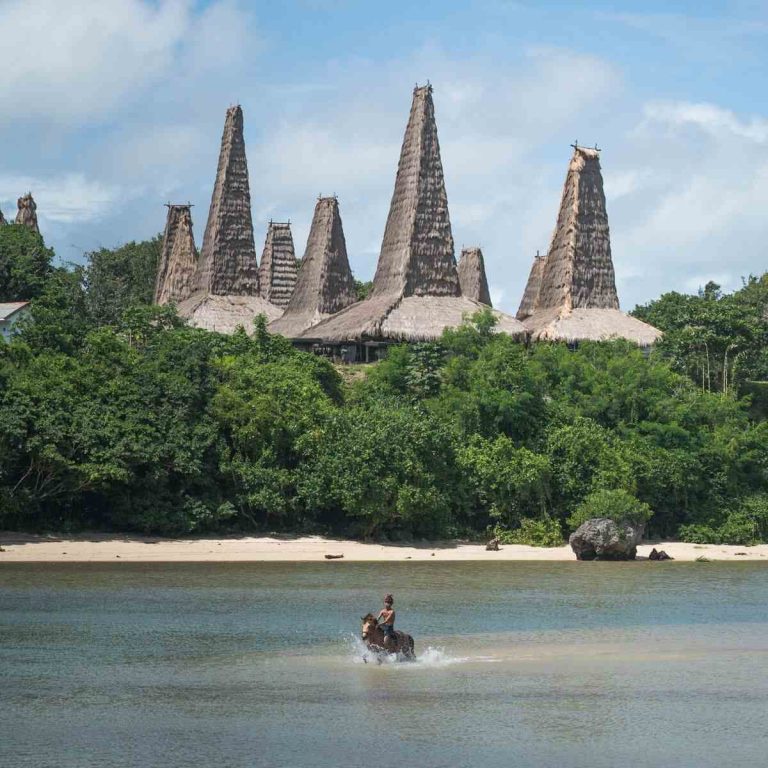
Sumba is known historically for sandalwood ponies — small, hardy horses once traded around the region. Today they are still part of daily life and ceremony, and sometimes graze unbothered along the sand.
That means your honeymoon memories can plausibly include:
- Seeing a local rider canter across the beach at dusk.
- Watching young Sumbanese boys swim with their horses in the shallows.
- In some settings, arranging supervised “swimming with horses” experiences designed for guests.
We always encourage couples to remember that these animals are working horses, part of a living culture, not just photo props. A good guide or lodge will frame any interaction with that respect.
A culture that precedes tourism
Many Sumbanese people continue to follow Marapu, an ancestral belief system visible in megalithic tombs, ritual houses and ceremonial life. Traditional villages often sit on hilltops, with tall, peaked thatched roofs and stone graves laid out in front.
For a honeymoon, this matters because:
- Your trip can include meaningful cultural encounters, not only nature.
- You are visiting as a guest in a living landscape, not a curated theme park.
- It encourages a slower, more thoughtful way of moving through the island.
A romantic day here might pair a river swim and picnic with a guided visit to a village, rather than a string of “must-see” attractions.
Romantic Things To Do in Sumba
Most honeymoon experiences in Sumba are variations on a few themes: sea, light, water, horses and conversation. Here are core romantic things to do Sumba offers, with nuances and expectations set clearly.
1. Private beach time (or as close as Sumba gets)
“Private” in Sumba usually means functionally empty, not fenced off. Depending on where you stay, you might have:
- Direct access to a long stretch of sand with only your lodge and staff around.
- A short drive to a beach that sees only a few local families and occasional visitors.
For couples, this can mean:
- Morning swims before the wind and waves pick up.
- Long walks talking about life plans without other guests around.
- Simple picnics or a bonfire dinner arranged by your lodge or guide.
Be honest with each other about comfort levels: surf can be strong, there may be no lifeguards, and sun is intense. Rash guards, plenty of water and listening to local safety guidance keep this romantic rather than stressful.
2. A Walakiri Beach sunset for two
Walakiri Beach on Sumba’s east coast has become well known for its knotted, mangrove-like trees standing in shallow water. At low tide, they silhouette sharply against the sunset.
As a honeymoon idea, Walakiri works best if you:
- Go with realistic expectations — you will not be alone here.
- Arrive a little ahead of golden hour to find a quieter spot.
- Use it as a gentle, social contrast to the solitude of other days.
You’re likely to share the scene with local families, photographers and domestic travelers. The mood is still soft and romantic, just less secluded than other beaches. Ask a guide or driver to time your visit with both tide and sunset; most good lodges will monitor this for you.
3. Weekuri Lagoon day: clear water, slow hours
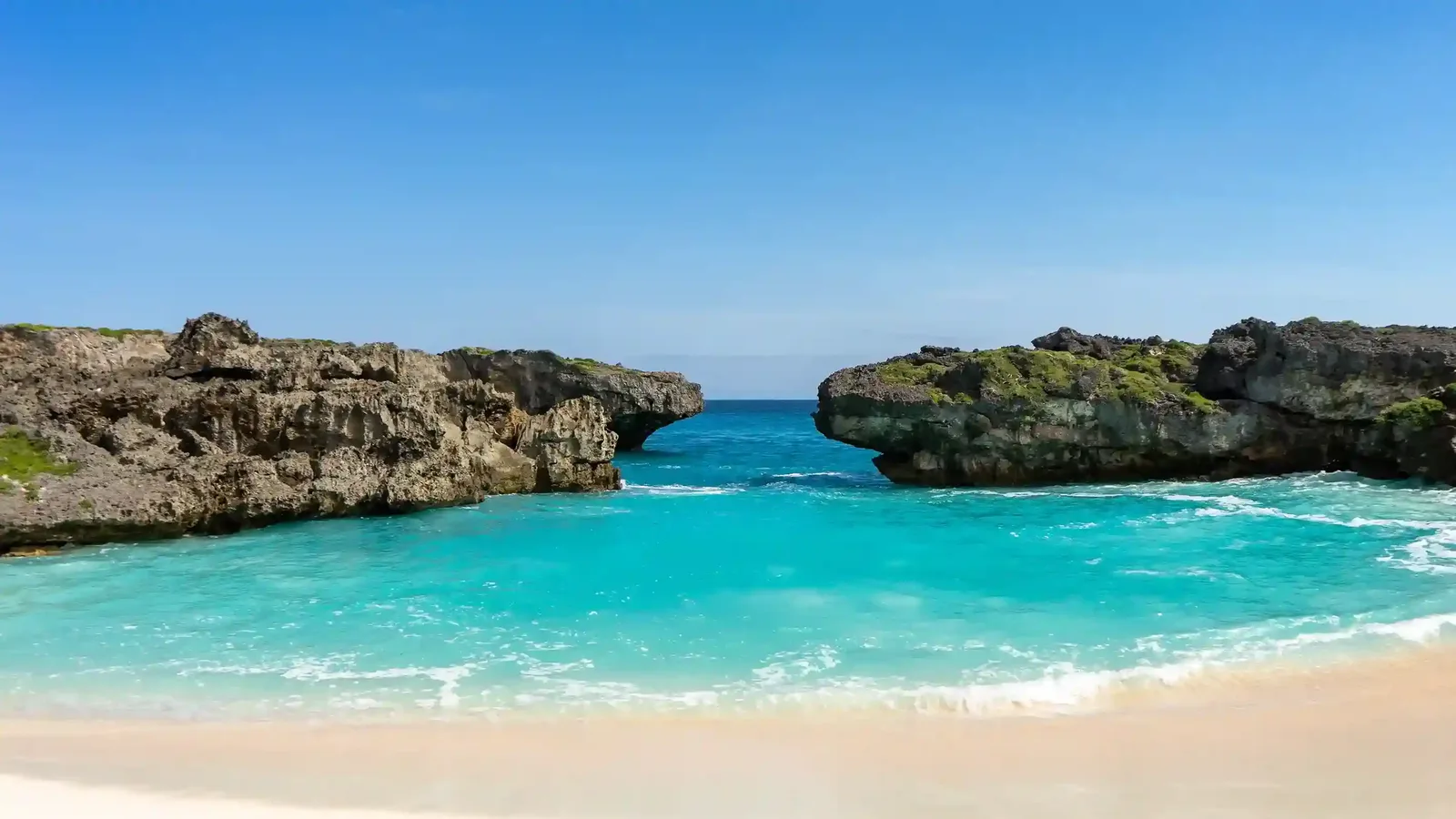
Weekuri Lagoon in West Sumba is a clear, turquoise saltwater pool separated from the open ocean by rock formations. It is one of the more structured visitor sites on the island, with basic facilities and simple food options nearby.
For couples, it can be:
- A few gentle hours of swimming or floating in calmer water than the open sea.
- An easy place to take photos together without the intensity of surf.
- A natural stop on a west-coast day that might also include beaches and sunset.
Arrive earlier in the day if you prefer quieter conditions; it can draw local holiday crowds and school groups. Simple water shoes are helpful on the rocky edges, and modest swim attire is appreciated away from the water itself.
4. A waterfall day with a soft-adventure edge
Sumba’s interior holds several waterfalls reachable by a mix of driving and walking. Trails range from short, stepped paths to steeper, sometimes muddy descents. Conditions change with weather.
For honeymoon experiences Sumba offers around waterfalls, think about:
- Your activity level: Some routes might be challenging if you dislike heat or uneven ground.
- Simplicity: There are usually no lockers, cafés or paved walks; you carry what you need.
- Shared effort: The small bit of exertion can make the shared swim feel especially satisfying.
We usually suggest bringing a light daypack, reef-safe sunscreen, proper footwear (not just flip-flops), and a willingness to turn back if conditions feel unsafe. A good local guide will know current trail status.
5. Village culture: shared curiosity, not a “checklist” stop
Visiting a traditional village can be one of the more intimate parts of a Sumba couples trip. Expect raised, thatched houses with high central roofs, stone tombs in the central yard, and a rhythm of life that may feel very different to your own.
Handled thoughtfully, this can add to your honeymoon in several ways:
- Shared learning: Hearing about Marapu beliefs, weaving, or clan structures together.
- Perspective: Conversations later over dinner often go well beyond travel small talk.
- Tangible memories: Purchasing textiles directly from weavers, with context and stories.
We recommend going with a guide who has an existing relationship with the community, dressing modestly, and being guided on any photography. This keeps the visit respectful and mutually comfortable.
6. Swimming-with-horses moments (with care)
You may see Sumbanese boys or young men ride horses into the sea, particularly in late afternoons when the heat softens. In some hospitality settings, supervised “swim with horses” experiences have evolved from this everyday practice.
Couples sometimes imagine:
- One partner riding bareback through the shallows.
- Both of you in the water while a handler manages the horse.
- Photographs of silhouettes against a low, orange sun.
If this appeals, choose a lodge or operator that prioritises animal welfare and clear safety briefings. Ask how long horses work per day, how many breaks they receive, and what experience levels they require from riders. Romance and ethics can align; it just takes a few careful questions.
7. Barefoot luxury: the Nihi Sumba option
Nihi Sumba on the southwest coast is widely reported as one of the island’s most established barefoot-luxury stays. It has drawn regular international coverage, particularly for honeymooners and special-occasion trips.
For couples, Nihi typically offers:
- Private villas with pools and sea views.
- Organised activities such as horse riding, surfing, spa experiences and cultural excursions.
- A controlled environment that still opens onto wilder surroundings.
If your honeymoon budget leans more toward comfort and service, Nihi can act as a base from which to sample everything described above with more structure and support. It is not the only way to experience Sumba, but it is the most internationally recognised, and worth including in your early planning conversations.
Pacing a Sumba Honeymoon for Two
The most common mistake we see is trying to “fit everything in” across an island with imperfect roads, variable weather and experiences that reward lingering. A good Sumba honeymoon itinerary is deliberately spacious.
Choose a home base logic, not a checklist
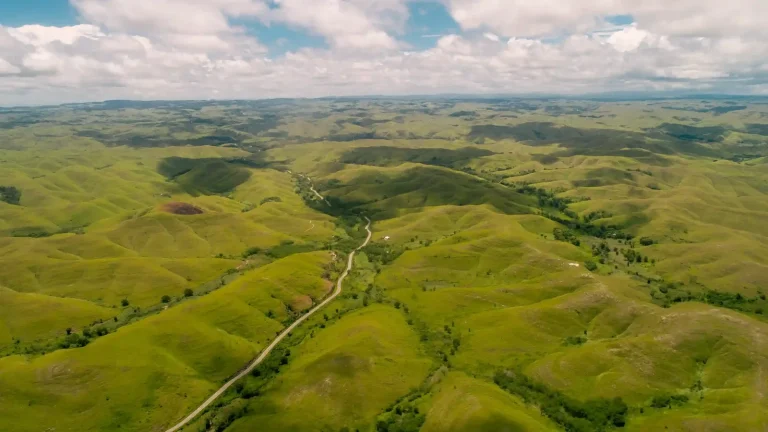
Driving across Sumba can involve long stretches of patchy road, sudden potholes and unpredictable travel times. As a couple, spending four or five hours a day in the car is rarely romantic.
Instead, we suggest thinking in terms of bases:
- West Sumba: Access to Weekuri Lagoon, west-coast beaches, some notable traditional villages, and resorts such as Nihi Sumba.
- East Sumba: Walakiri Beach, different village styles, weaving traditions, and more open savannah landscapes.
In a 5–7 night honeymoon, focusing mostly on one side of the island with perhaps one change of base works better than trying to “do it all.” Every hotel switch costs you half a day of packing, driving and settling in.
Build in “doing nothing” time on purpose
Honeymoon experiences Sumba offers are often as simple as:
- Lingering over coffee on your terrace, watching the light change.
- Reading on a shaded daybed while your partner naps.
- Talking through future plans with the sea as a soundtrack.
We usually recommend no more than one structured activity per day, and at least two full days with nothing booked in advance. This leaves space for spontaneous swims, last-minute ideas from staff, or simply admitting you would prefer another afternoon doing very little.
Be season- and weather-realistic
Sumba has a pronounced dry and rainy season, with shoulder periods in between. Roads, waterfalls, sea conditions and visibility can all shift with the calendar and recent rainfall.
No one can guarantee sunshine or flat seas. Treat weather as part of the adventure rather than a personal slight; having flexible plans helps. A good planner will propose ideas with alternatives in mind, for example:
- If a waterfall trail is too slippery, pivot to a weaving village and slow lunch.
- If surf is bigger than expected, choose a lagoon or river spot instead.
If you would like help balancing ambition with reality, you can always plan your trip with us via email or WhatsApp; we map pacing according to your energy, not a brochure template.
Pairing Sumba with Bali for Balance
Many couples are drawn to Sumba but hesitate to spend their entire honeymoon somewhere so quiet and logistically demanding. Pairing Sumba with Bali is an elegant solution: wildness first, then a softer landing, or the reverse.
Why combine Sumba and Bali
Bali offers:
- Direct international flights to many hubs.
- A wide range of dining, spa and shopping.
- Well-developed hospitality infrastructure.
Sumba offers:
- Greater solitude and fewer visitors.
- Rawer, less curated landscapes.
- A stronger sense of “edge-of-the-map” escape.
Together, they give you both ease and depth. You might, for example, keep your legal wedding paperwork and pre-honeymoon celebrations in Bali, then slip away to Sumba for your own private chapter.
Possible honeymoon structures
- “Exhale then re-enter” (Sumba first, Bali second)
- Start with 5–7 nights in Sumba for maximum seclusion. Then fly back to Bali for 3–5 nights of gentle spa days, dinners and maybe one social evening before your flight home.
- “Soft landing into seclusion” (Bali first, Sumba second)
- Spend a few nights in Bali to adjust to the time zone, recover from the wedding and enjoy more familiar comforts. Once rested, fly to Sumba for the more adventurous half of the honeymoon.
- “Two-centre contrast”
- Divide your time evenly: equal nights in each, with distinct moods. For example, Ubud for inland wellness and art, then West Sumba for oceanscapes and village culture.
Flight schedules between Bali and Sumba can change; your Sumba segment may need to wrap around specific domestic timings. A planner who watches these routes regularly can help minimise tedious airport waits.
Budget and expectation calibration
Without naming specific nightly rates, it is fair to say:
- Bali offers an enormous range, from modest guesthouses to ultra-luxury villas.
- Sumba tends to skew either toward simple local stays or higher-end, lower-density properties; mid-range abundance is less common.
On a combined honeymoon, many couples choose to spend a significant part of their budget on the Sumba days, treating Bali as either a simpler add-on or a chance to enjoy value at a similar quality tier. Transparent cost planning is important; we can talk through ranges (last verified June 2026) once we understand your comfort zone.
How We Help Curate a Sumba Honeymoon
Sumba Private exists to make this kind of trip more legible and more personal. We are not a tour operator or travel agency; we are an independent curation and concierge-intelligence layer focused only on Sumba.
Neutral guidance, then vetted introductions
Our role on Sumba honeymoon ideas is to:
- Clarify whether Sumba is actually right for you as a couple.
- Outline realistic itineraries based on season, energy and priorities.
- Introduce you to on-the-ground partners whose approach aligns with your style.
No one can pay to change what we publish; if you proceed with our partner they may pay us a referral fee at no extra cost to you. That model lets us stay honest about trade-offs: which beaches are busier now, which drives feel too long for a short visit, and which experiences are better kept off a honeymoon if you dislike crowds or early starts.
What an initial conversation might cover
To make your Sumba couples trip feel genuinely customised, we’ll usually ask about:
- How many nights you realistically have.
- How you like to spend mornings and evenings on holiday.
- Your tolerance for heat, long drives and uneven paths.
- How important cultural encounters are versus pure relaxation.
- Your approximate budget range (not a trap; just a tool).
From there, we sketch options: perhaps a Walakiri sunset, one waterfall, one or two village visits, and ample unstructured beach time. Or perhaps a Nihi Sumba stay with a stronger activity program if that suits you better.
If you would like to explore what that might look like for your dates, you can plan your trip with us via email or WhatsApp for calm, one-on-one planning.
Related Guides on Sumba Private
- Deep-dive planning, budgets and timing: our main Sumba honeymoon guide.
- Property context and pros/cons: our Nihi Sumba explainer.
- Thinking about popping the question on the island: our Sumba proposal spots piece.
- Coastal orientation and options: our Sumba beaches overview.
Sumba Honeymoon FAQs
Is Sumba a good honeymoon destination for first-time visitors to Indonesia?
Yes, if you value solitude and nature over ease and options. For a first trip to Indonesia, we often suggest pairing Sumba with Bali so you have both a gentle entry point and the wilder Sumba chapter without pressure for everything to work perfectly all the time.
How many nights should we spend in Sumba on our honeymoon?
For most couples, 5–7 nights in Sumba is a sweet spot. It justifies the extra flights and slower pace without turning the trip into a long stretch of logistical friction. If you have more time, you can pair it with Bali or another island rather than stacking too many separate Sumba bases.
Is Sumba safe for couples travelling alone?
Overall, Sumba sees far fewer visitors than Bali and does not have a big-party scene, which many couples find reassuring. Usual travel common sense applies: travel with reputable drivers or guides, respect local customs, and follow local advice on sea conditions and remote walks, especially at night.
Can we have a beach wedding in Sumba as well as a honeymoon?
Symbolic ceremonies are very possible; legal weddings require more planning and, often, handling paperwork elsewhere in Indonesia. Many couples handle the official side in their home country or in Bali, then hold a personal ceremony or blessing in Sumba followed by their honeymoon stay.
How far in advance should we plan a Sumba honeymoon?
For peak dry-season dates or if you are targeting a specific high-end lodge, planning 9–12 months ahead is sensible. For shoulder seasons, 4–6 months can work. Domestic flight schedules and property availability both shape options, so earlier conversations generally give you more room to design the trip you want.